
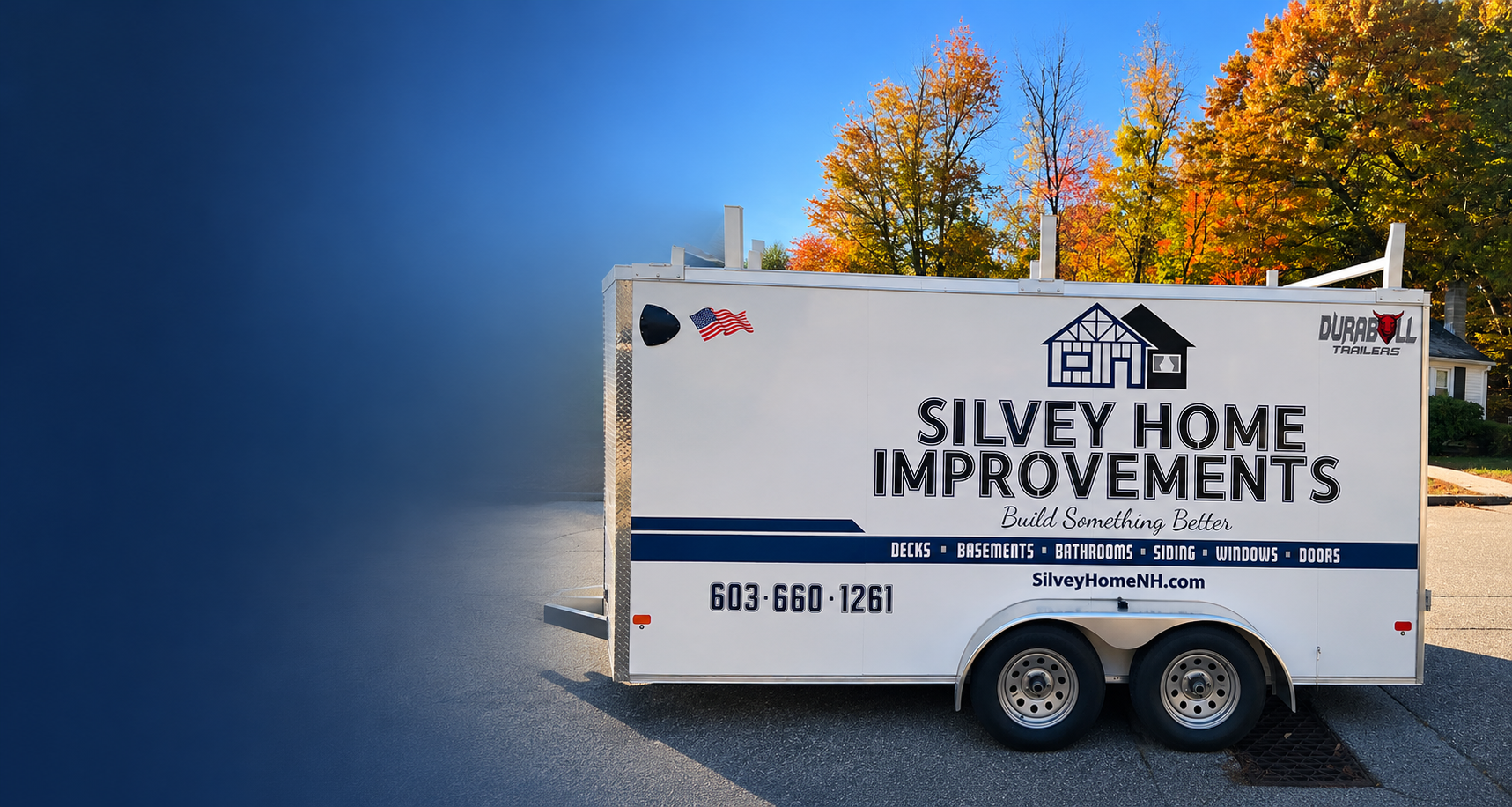
A Better Home Starts With a Conversation.
Personally Involved. Thoughtfully Planned. Built With Care.
Every home improvement project begins with an idea, a need, or a vision for something better.
At Silvey Home Improvements, founder Aaron Silvey believes the experience matters just as much as the finished result. From the initial estimate through contract discussions and construction, Aaron stays personally involved because he wants homeowners to feel informed, heard, and confident about the work being done.
Explore the general stages of planning a project and learn more about Aaron's approach to craftsmanship and communication.
Build Something Better
I'm Involved Because the Details Matter.
Aaron Silvey didn't start his business simply to complete construction projects. He wanted to create a company where he could take personal responsibility for the quality of the work and the experience homeowners have along the way.
After learning the trade through formal education, carpentry apprenticeships, and years of hands-on work, Aaron developed a clear belief that quality should never be sacrificed simply to finish faster.
Today, that philosophy shapes how he approaches projects. He remains involved from the initial estimate through the construction process, paying attention to the details and working to keep communication honest and transparent.
I'm on every project from start to finish. I put my eyes on everything.
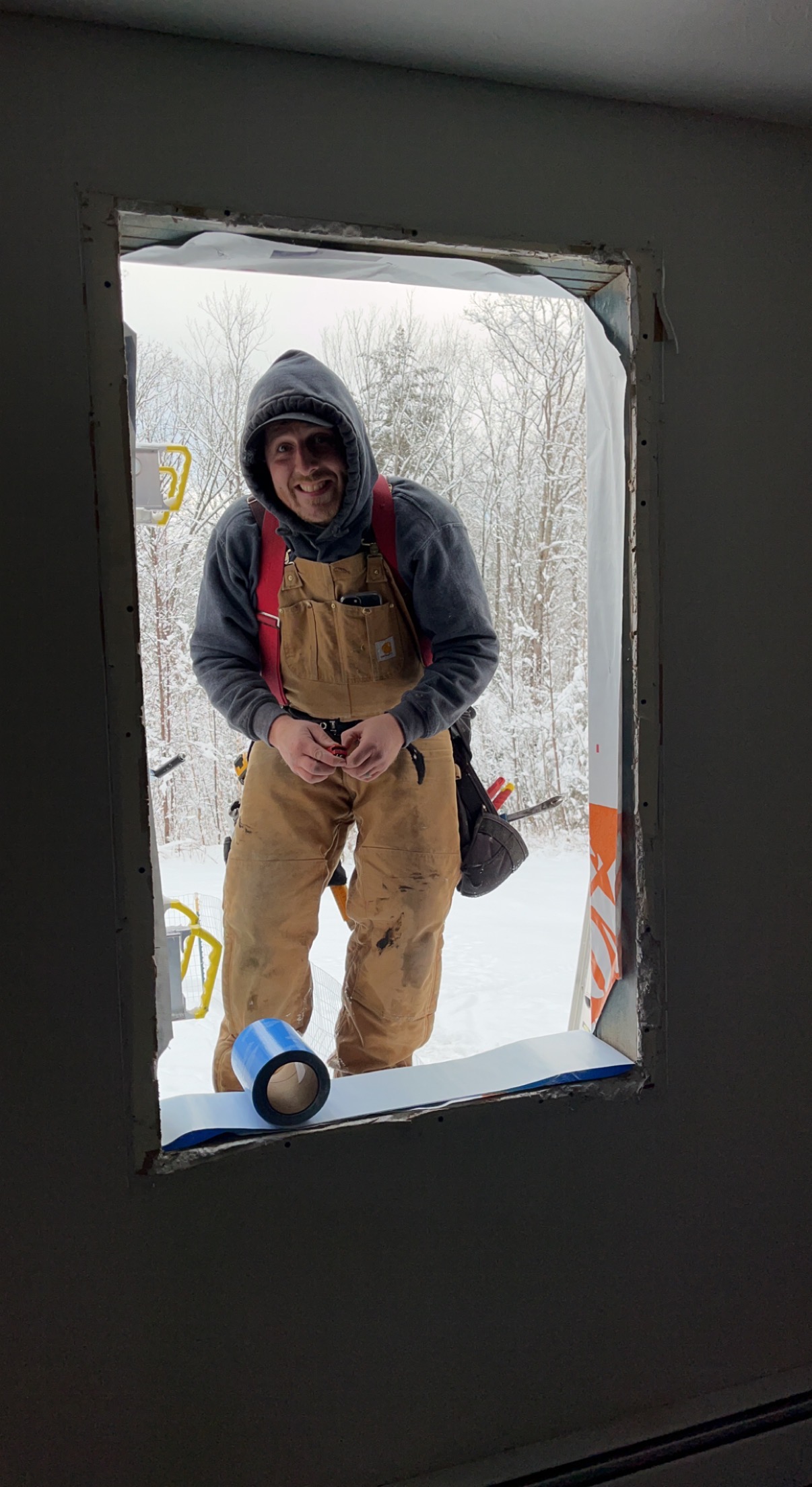
Aaron Silvey
Founder, Silvey Home Improvements
The Journey From Idea to Improvement.
A general overview of how a project conversation may unfold. Every project is different, and the actual steps depend on the work being considered.
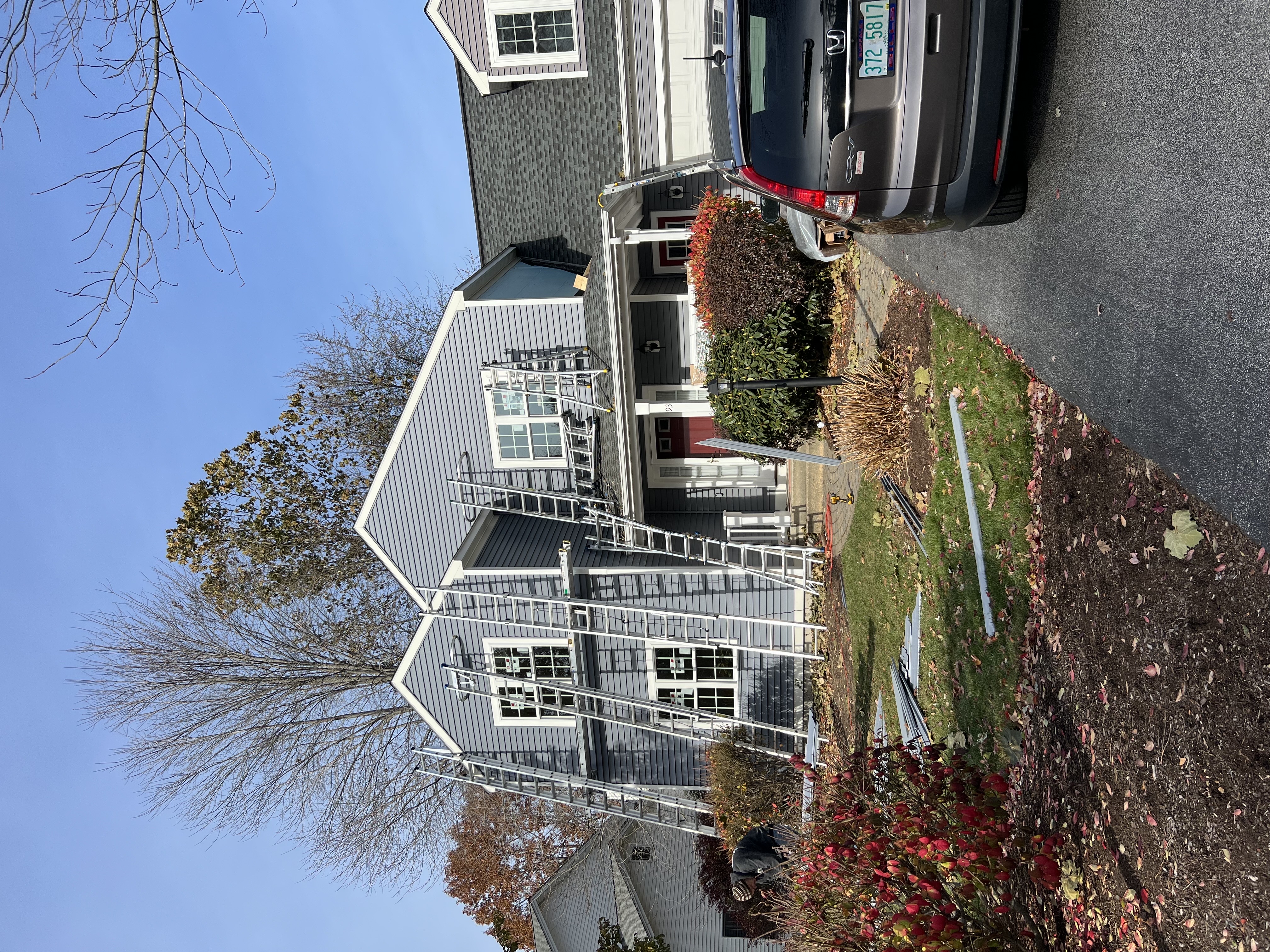 01
Start With Your Idea.
Maybe you know exactly what you want to improve. Maybe you're still figuring out what would make your home work better. Either way, the first step is explaining what you're considering. Aaron enjoys seeing a project develop from an initial idea into something tangible, and understanding the homeowner's goals is an important starting point. You don't need to have every material, measurement, or design detail figured out before reaching out.
Think about the space, the changes you want, and what a successful result would mean to you.
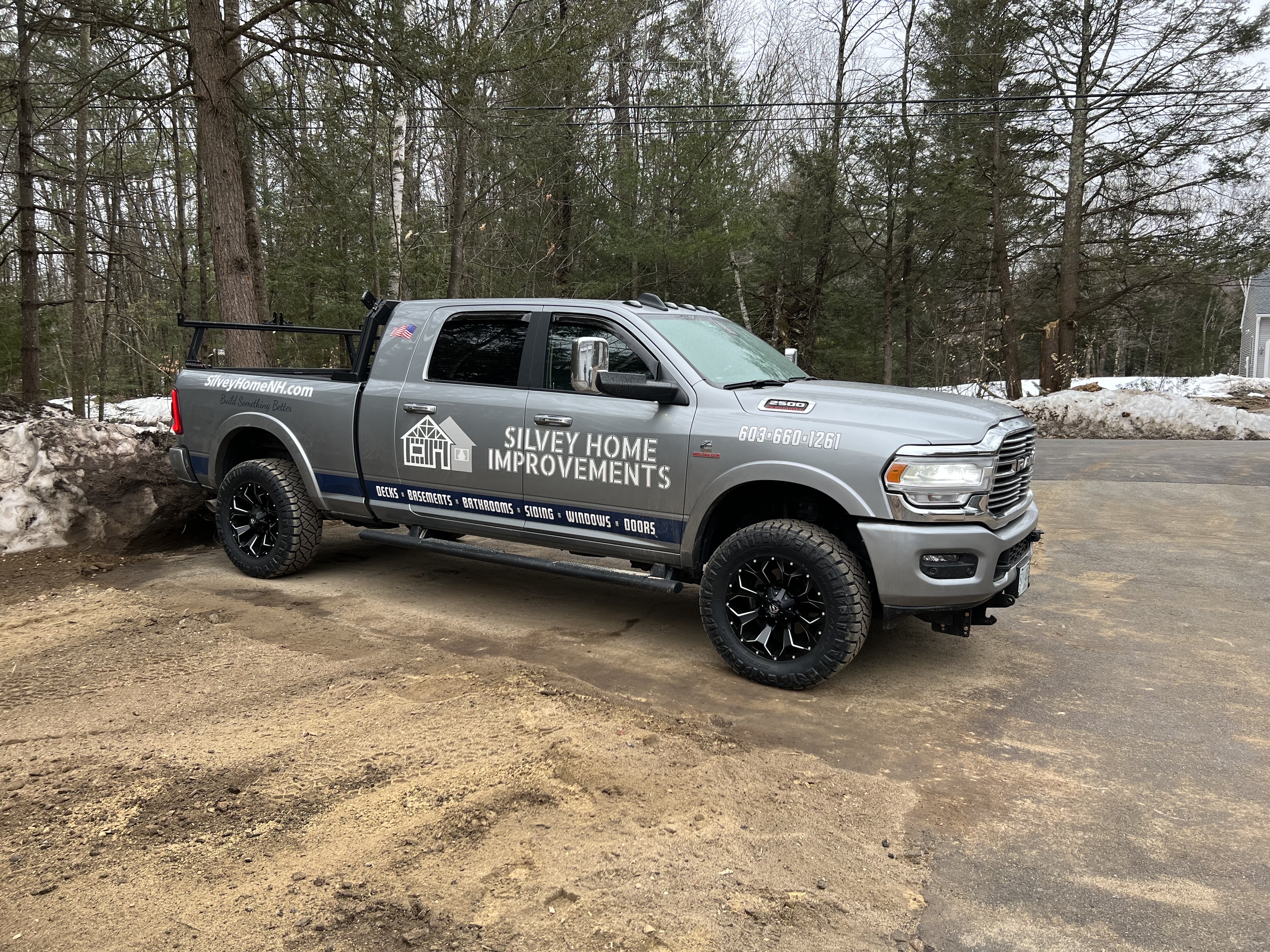 02
Tell Us What Matters Most.
Every home and every homeowner has different priorities. A project might involve improving everyday function, updating an existing space, addressing worn materials, or creating something entirely new. Sharing your goals, preferences, and known concerns can help clarify what the work may involve. Aaron believes in putting himself in the homeowner's position and considering the experience he would want if someone were working on his own home.
Helpful details can include approximate dimensions, inspiration photographs, existing conditions, and the way you hope to use the finished space.
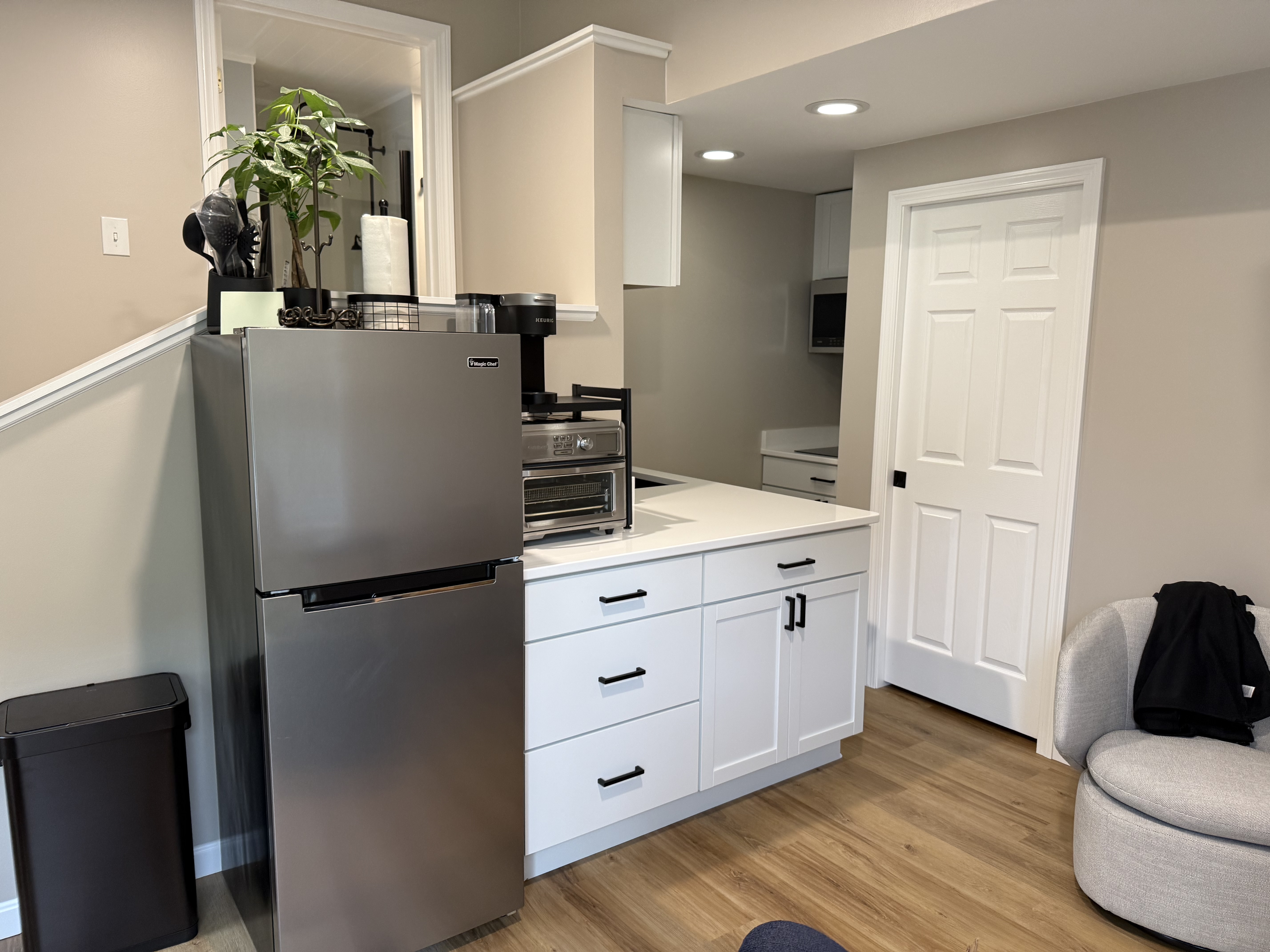 03
Discuss the Possibilities.
Once the goals are clearer, the next conversation can focus on possible approaches to the work. Materials, layout considerations, existing conditions, and the intended use of the space may all influence the direction of a project. Aaron values honest communication and transparency, especially when important details need to be considered before moving forward. The goal is to develop a clearer understanding of the work rather than make assumptions about what a project will require.
The options available depend on the specific property, scope, and applicable construction requirements.
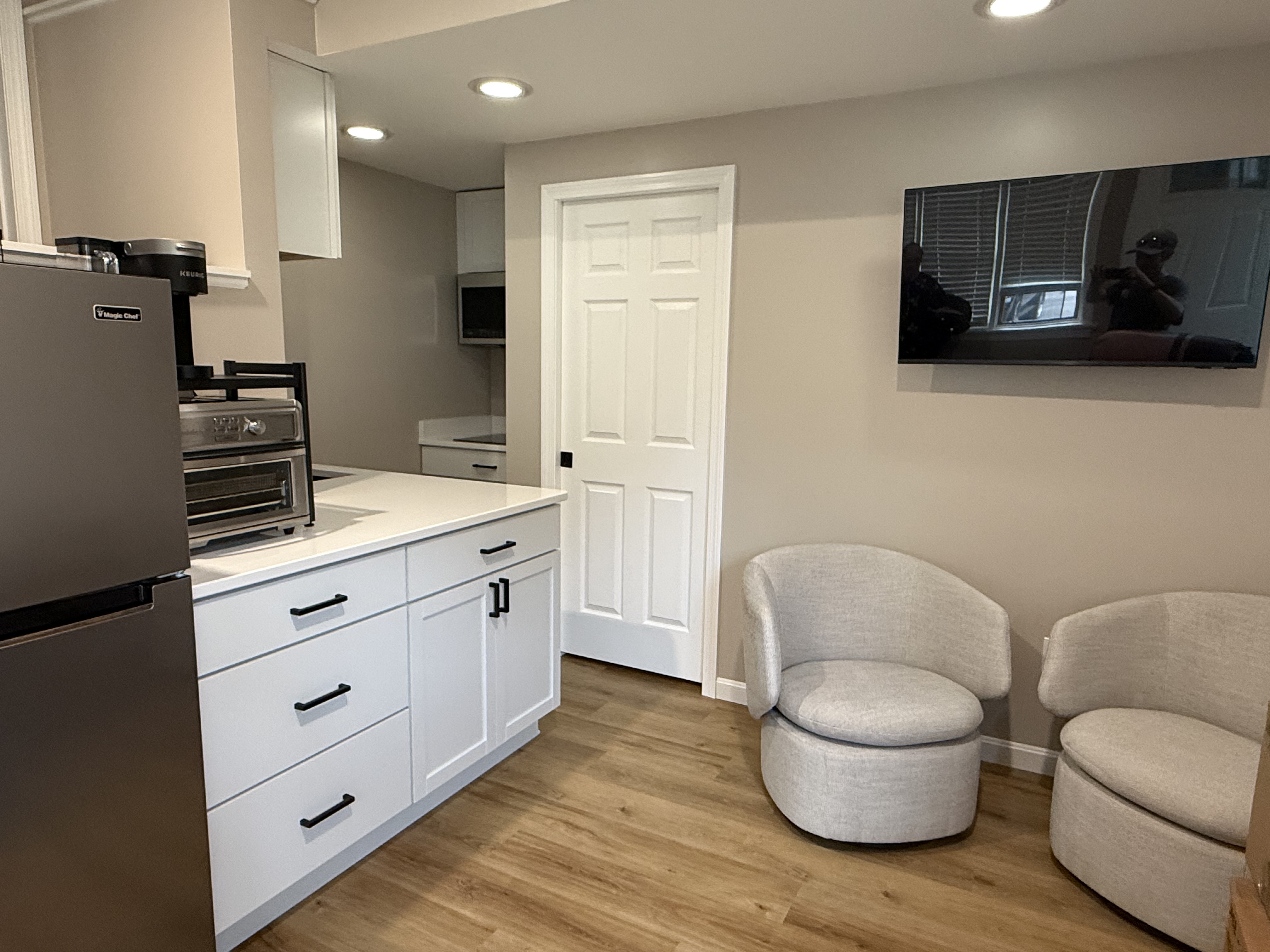 04
Develop a Clearer Scope.
A well-understood project begins with a clear description of the work being considered. Depending on the project, this may involve identifying the affected areas, discussing materials, considering existing conditions, and reviewing important practical requirements. Aaron confirmed that he is personally involved in the initial estimate and contract discussions. That involvement reflects the accountability he wants associated with his name and his business.
Final pricing, contractual terms, scheduling, and responsibilities must be established through the applicable project-specific agreement.
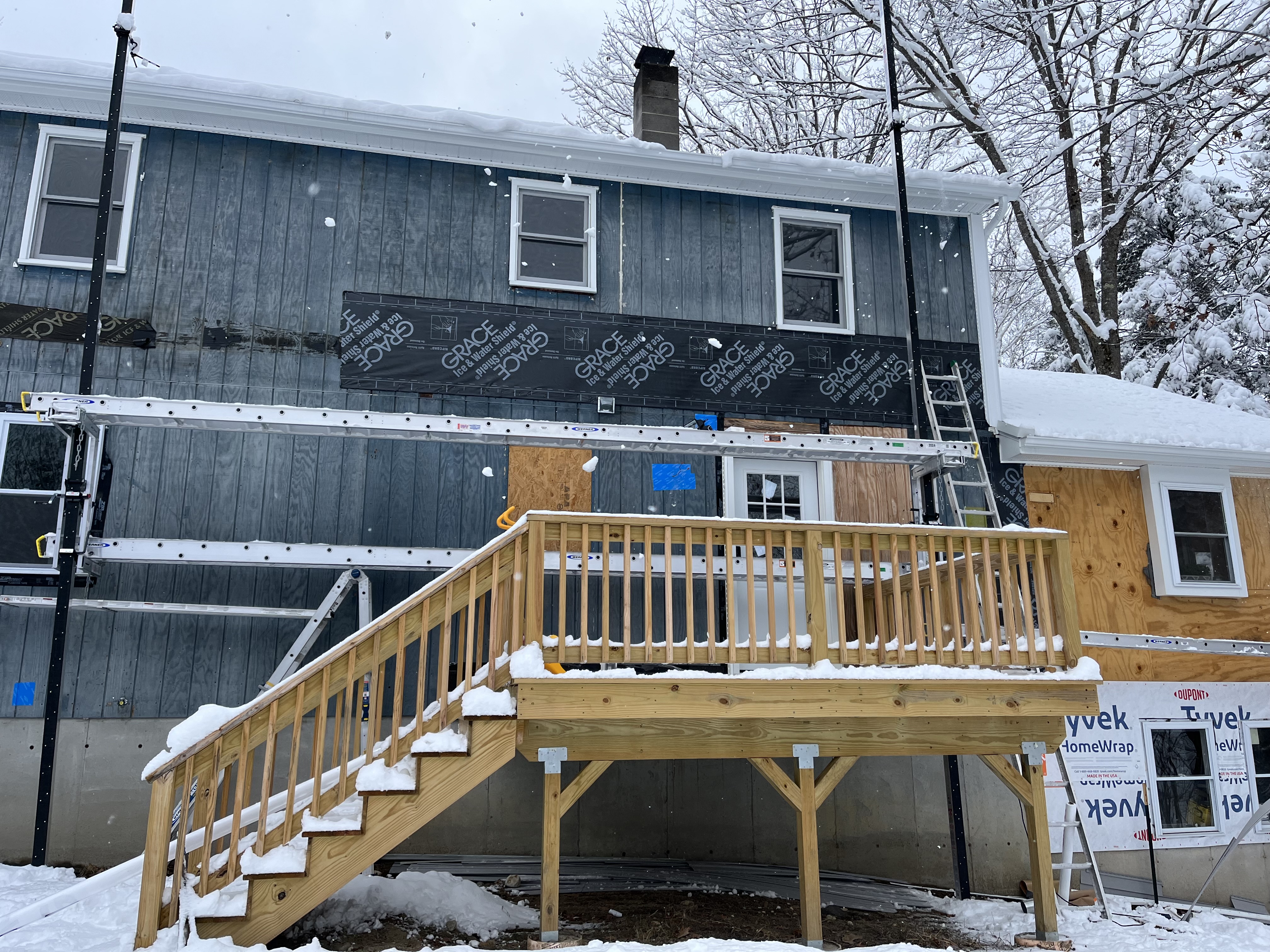 05
Plan the Work With Care.
Before construction begins, the project details need to be understood and the appropriate arrangements made. The specific preparation depends on the type of improvement, materials, property conditions, and applicable requirements. Aaron's approach emphasizes thoughtful work and attention to details that contribute to a quality finished result. He believes taking the time to do the work properly is important, even when some of that effort won't be visible once the project is complete.
Permits, scheduling, materials, site access, and other responsibilities depend on the specific project and agreement.
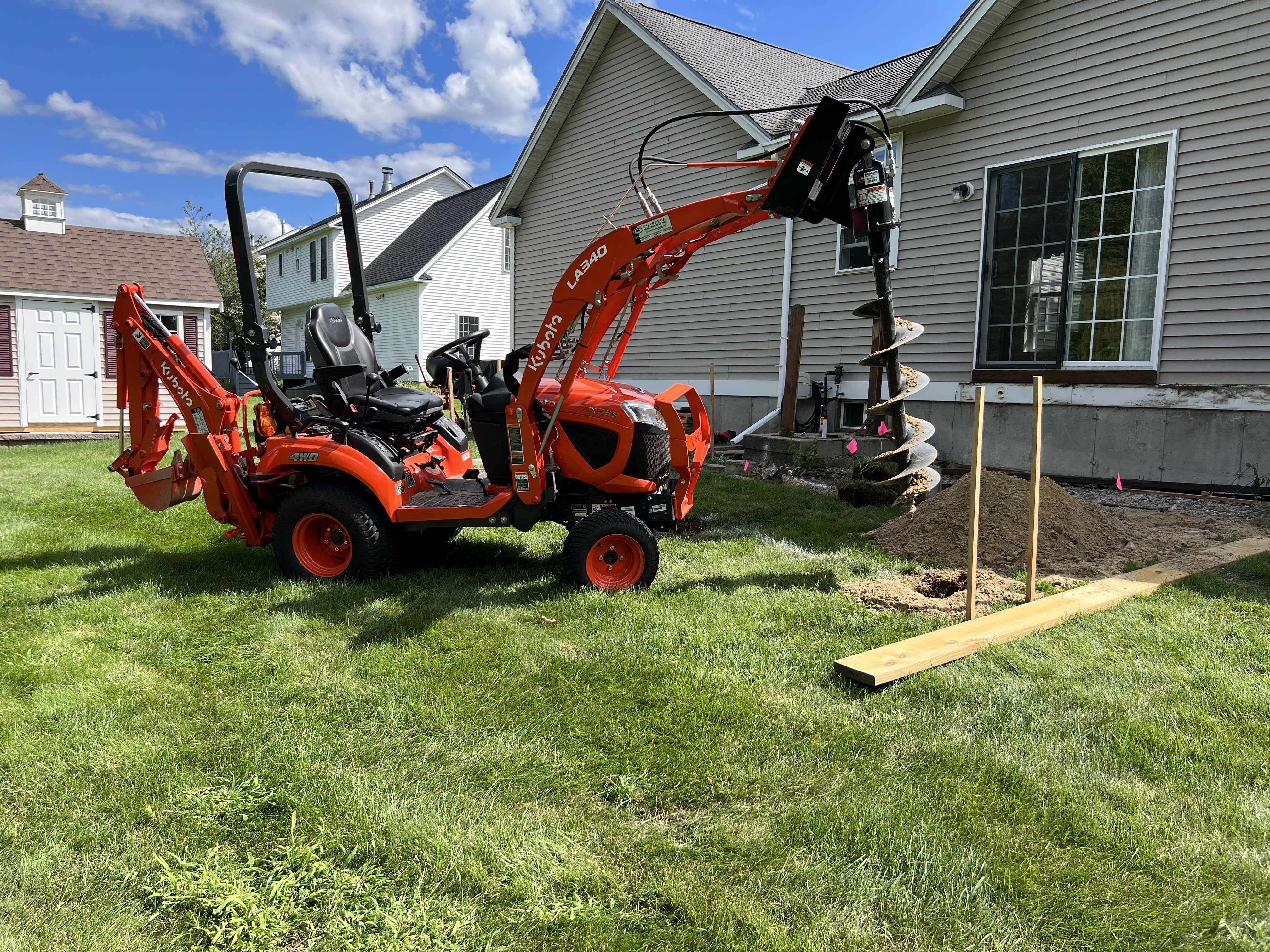 06
Bring the Improvement Together.
For Aaron, one of the most rewarding parts of construction is watching a project develop from an idea into a finished improvement. He enjoys the progress itself, but the homeowner's excitement is what makes the work especially meaningful. Aaron remains involved during construction and takes pride in the care given to the work. His goal is to deliver a finished result he can stand behind and an experience shaped by honesty, reliability, and personal accountability.
“Just seeing the project go from nothing to something is what fuels me.”
The actual scope, completion requirements, and any follow-up obligations are governed by the applicable project agreement.
Every Project Has Its Own Path.
A small interior update and a larger remodeling project may require different conversations, planning steps, and timelines. The process described here is a general overview. Specific services, scheduling, pricing, and project responsibilities are determined by the circumstances of the work and any applicable agreement.
The Details You Don't See Still Matter.
Aaron believes craftsmanship isn't just about how a finished project looks. It's about the work that goes into getting there. Throughout his career, he's heard the construction-industry expression, “I can't see it from my house.” To Aaron, that's the wrong way to approach someone's home. He wants to finish the day knowing he took the work seriously and gave attention to the details that matter, whether they're immediately visible or not.
Personal Accountability
Aaron's name is on the business, and he takes responsibility for the quality of the work.
Honest Communication
He believes transparency and reliability are important throughout the project.
Pride in Craftsmanship
His goal is to complete work to a standard he can feel confident standing behind.
A Little Preparation Goes a Long Way.
You don't need a complete construction plan to start a conversation. A few notes about your goals, existing space, and priorities can help you explain what you're considering. Check off the items you're ready to share.
Nothing here is saved or sent. This is a local planning aid to help you gather your thoughts before requesting an estimate.
Questions Worth Asking Before You Build.
Good project planning starts with understanding your goals and the practical considerations that may influence the work. Use these questions to organize your thoughts before contacting Silvey Home Improvements.
What do you want to improve?
Describe the current space and what you'd like to change.
Why does the project matter to you?
Think about comfort, function, appearance, or how the space will be used.
What details are most important?
Consider materials, layout, storage, durability, or visual style.
What existing conditions should be considered?
Note visible damage, moisture concerns, access limitations, or other known issues.
What questions do you have?
Write down anything you'd like to understand before moving forward.
Different Projects. The Same Attention to Detail.
Aaron enjoys the process of building and improving spaces, whether the work involves interior remodeling, exterior updates, or outdoor improvements. Explore the services offered by Silvey Home Improvements and find the category that best matches your goals.


The Details That Help Shape a Project.
A Clear Goal
Understanding what the homeowner wants to change.
Practical Priorities
Identifying the most important needs and constraints.
Thoughtful Questions
Discussing materials, function, and project considerations.
A Shared Understanding
Clarifying the proposed work before proceeding.
These are general project-planning principles, not verified proprietary processes, guarantees, or formal company policies.
Every Home Has a Setting.
Local conditions can influence residential improvement planning. Here are a few considerations that often come up for New Hampshire homeowners.
Seasonal Weather
New Hampshire's changing seasons can influence exterior project planning and material selection.
Existing Homes
Different construction eras and previous renovations can affect the approach to new work.
Property Conditions
Terrain, drainage, access, and outdoor space can matter for decks, sheds, fencing, and exterior improvements.
Local Requirements
Permits, inspections, and other requirements may vary by municipality and project type.
Thoughtful Home Improvements, Close to Home.
Based in Weare, Silvey Home Improvements serves homeowners across its listed Southern New Hampshire communities. Explore the Service Areas directory to learn more about the locations included on the website.
A Few Things Homeowners Often Wonder.
Your Project Matters. So Does the Way It's Built.
Aaron Silvey believes homeowners deserve honest communication, personal attention, and craftsmanship that reflects genuine pride in the work. Whether you're planning a remodel, a deck, an exterior improvement, or another residential project, start by telling us what you have in mind.
Owner-led home improvements based in Weare, New Hampshire.