
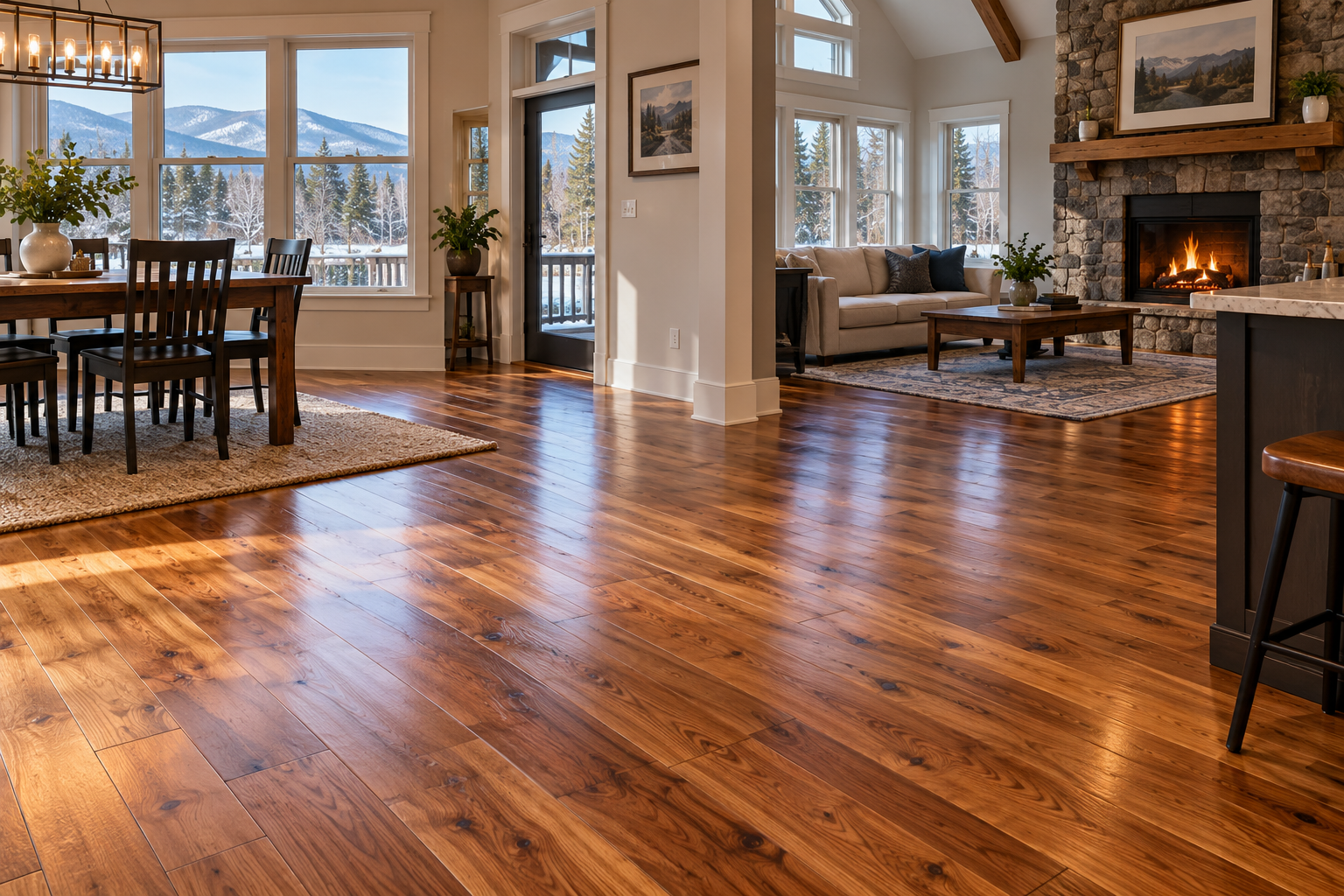
Hardwood Flooring
Natural hardwood offers timeless character, unique grain patterns, and a warm residential appearance. Performance and maintenance depend on the wood species, finish, installation, and environment.
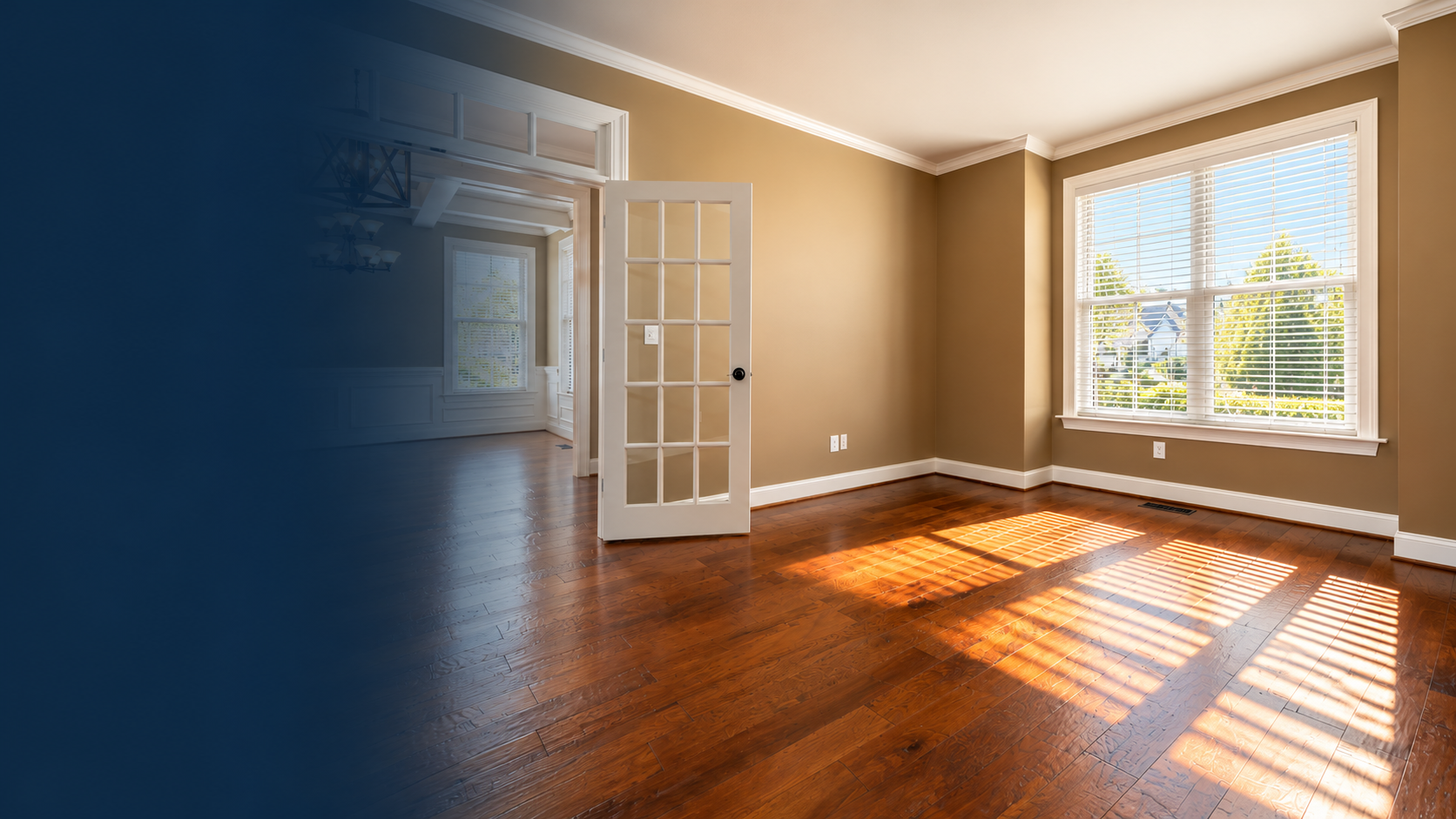
Beautiful Floors. A Better Foundation for Everyday Living.
The right flooring changes how a room looks, feels, and functions. Whether you're replacing worn-out floors, updating a single room, or choosing materials for a larger renovation, thoughtful flooring choices can bring warmth, character, and practicality to your home. Silvey Home Improvements helps New Hampshire homeowners explore flooring improvements that complement their spaces, lifestyles, and long-term needs.
TRANSFORM THE FEEL OF YOUR HOME
Flooring is one of the most noticeable elements of a room.
It influences the overall appearance of your home, how comfortable a space feels underfoot, and how the room handles everyday activity.
But choosing flooring involves more than selecting a color or finish.
Material durability, moisture exposure, subfloor conditions, installation methods, transitions, maintenance, and household needs all play a role.
The best flooring projects bring those considerations together to create a cohesive result.
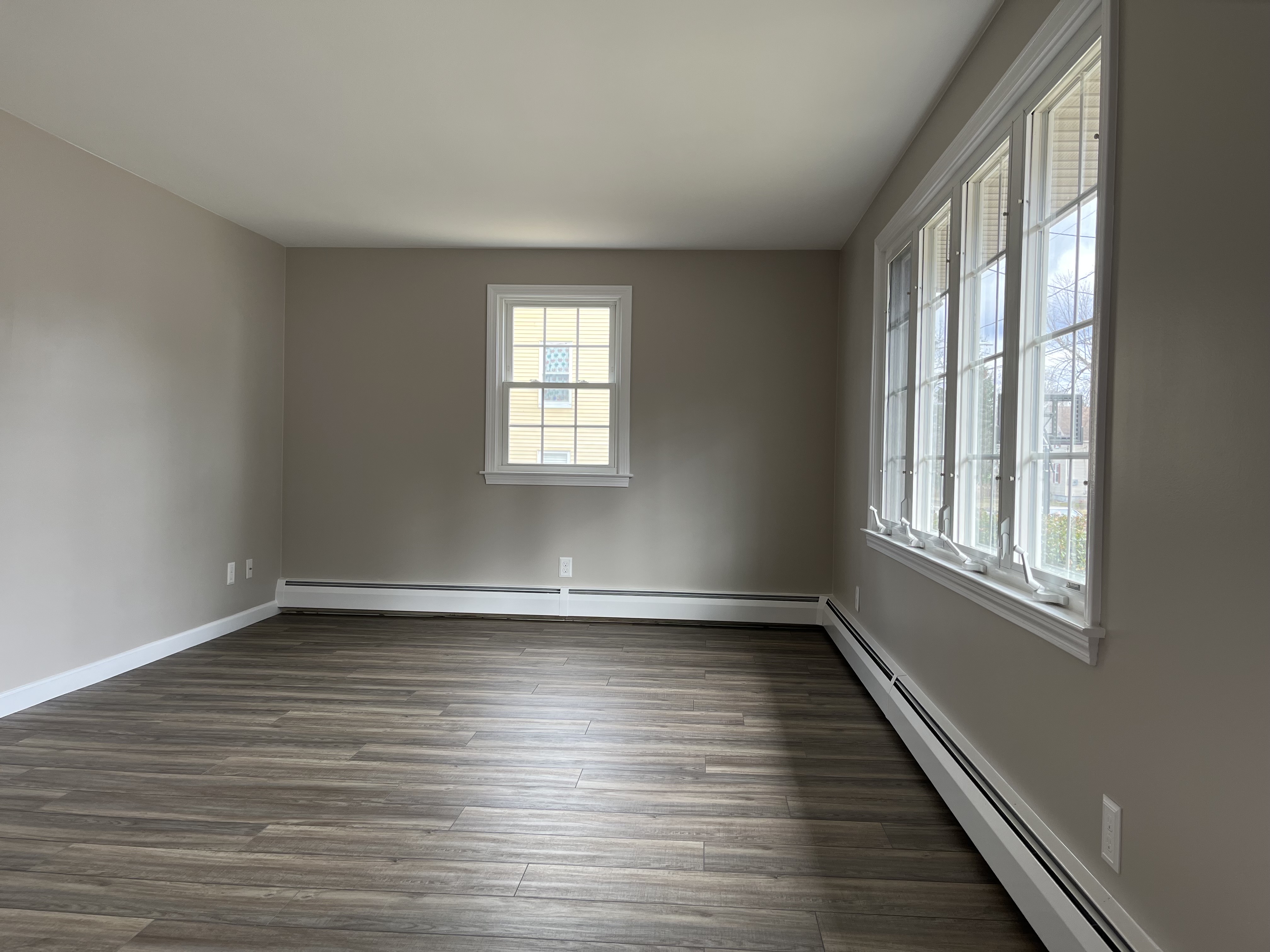
Whether you're replacing aging floors or updating a space as part of a larger renovation, the right approach depends on the materials, existing conditions, and your goals.
Explore flooring materials and installation approaches suited to the room, existing substrate, and intended use.
Replace worn, damaged, or outdated flooring with a new material that better suits the space.
Coordinate new flooring with room renovations, basement finishing, or larger home improvement projects.
Appropriate preparation may involve evaluating flatness, stability, moisture conditions, and compatibility with the selected flooring system.
Transitions, thresholds, baseboards, and finishing details help connect different rooms and flooring materials.
Some flooring problems may be candidates for targeted repair or partial replacement, depending on the material and existing conditions.
For discussion. These are project categories for conversation. Availability of specific flooring materials, specialty systems, or repair types should be confirmed before planning.
Every flooring material has its own appearance, performance characteristics, maintenance needs, and installation requirements.
Natural hardwood offers timeless character, unique grain patterns, and a warm residential appearance. Performance and maintenance depend on the wood species, finish, installation, and environment.
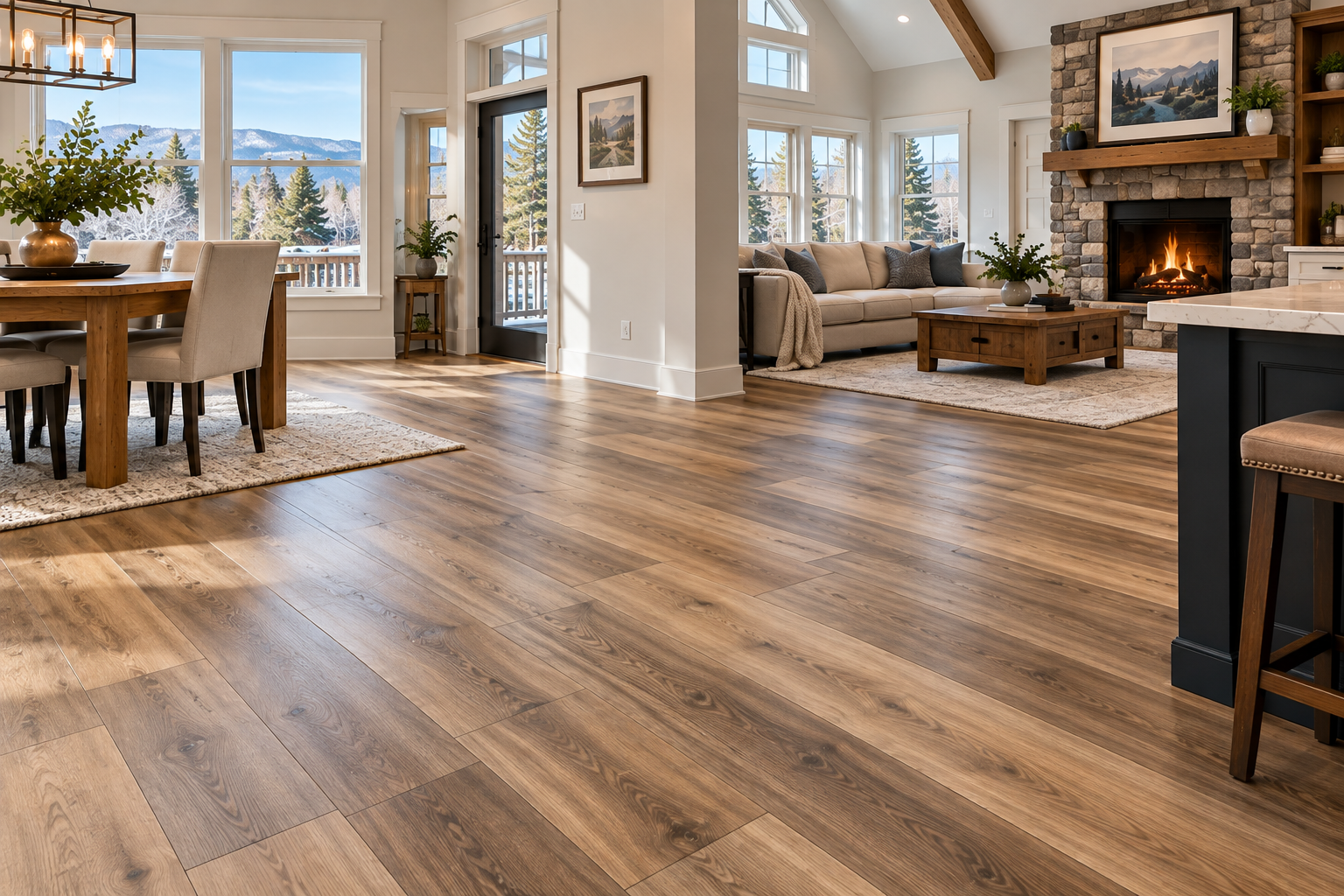
Luxury vinyl plank, often called LVP, is available in a wide range of wood-look finishes and is frequently considered for busy residential spaces. Water resistance and installation requirements vary by product.
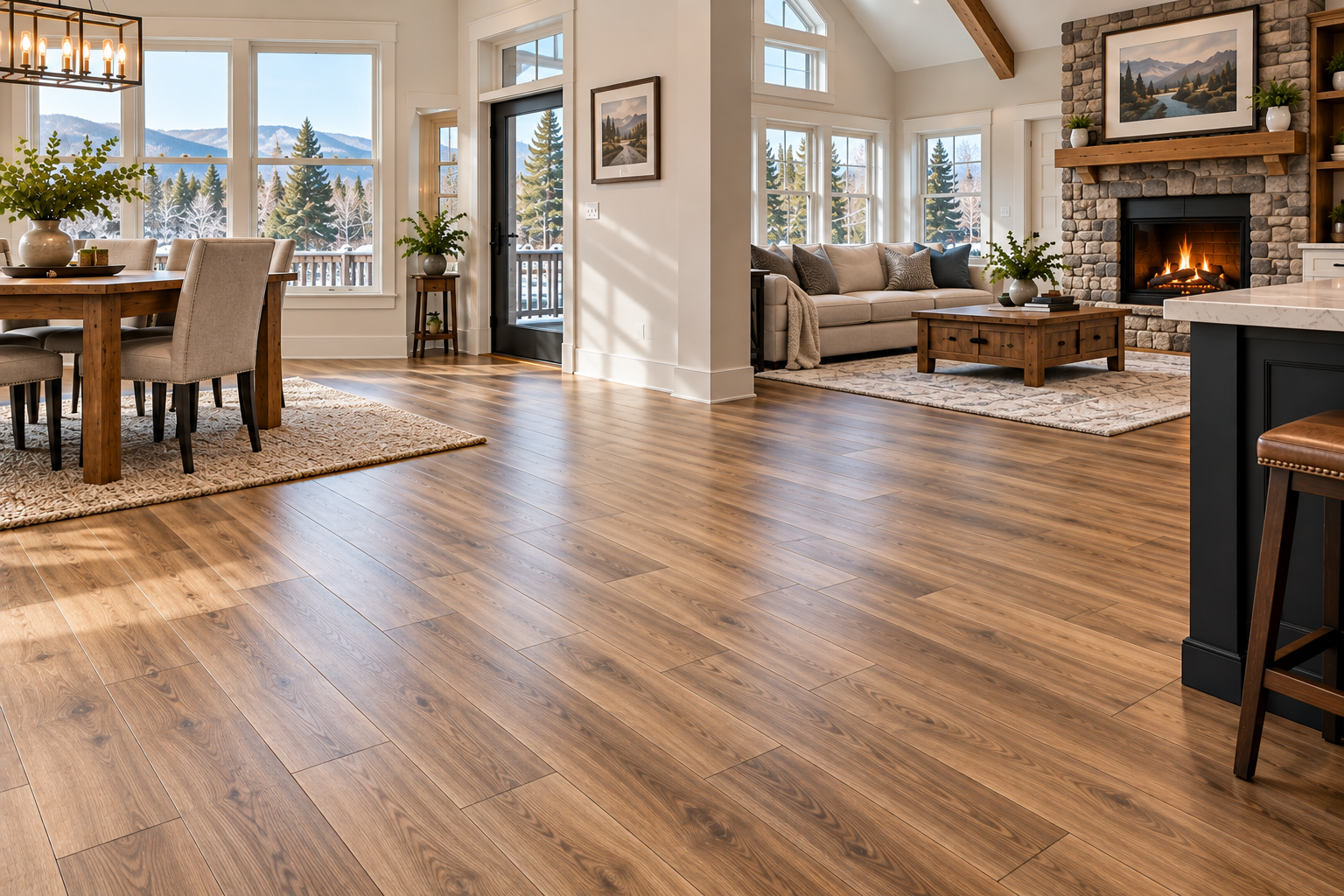
Laminate products offer a variety of decorative finishes and performance characteristics. Suitability for moisture-prone areas depends on the specific product and manufacturer instructions.
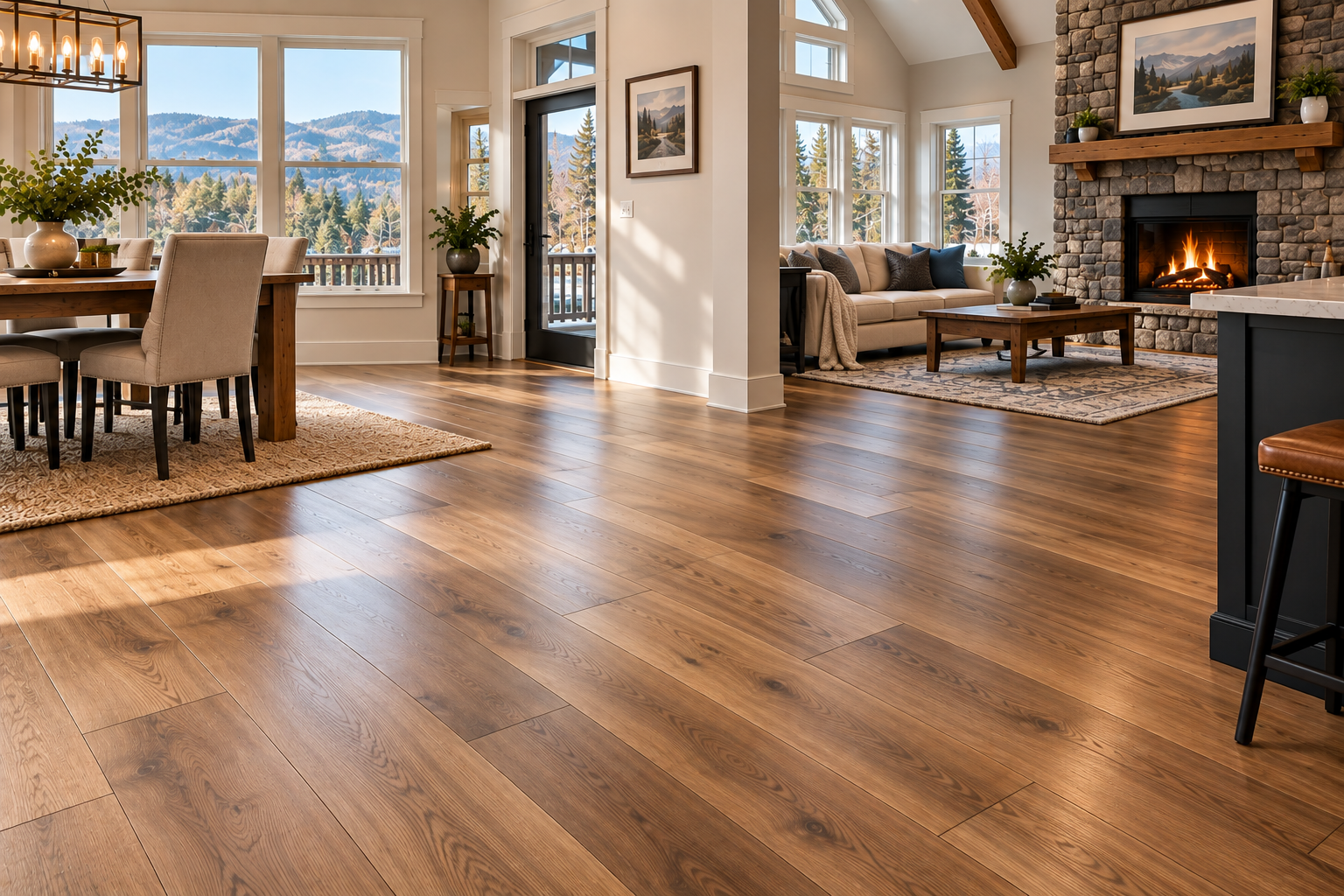
Engineered wood products use layered construction and are available in different wood species and finishes. Installation suitability depends on the product, substrate, and environmental conditions.
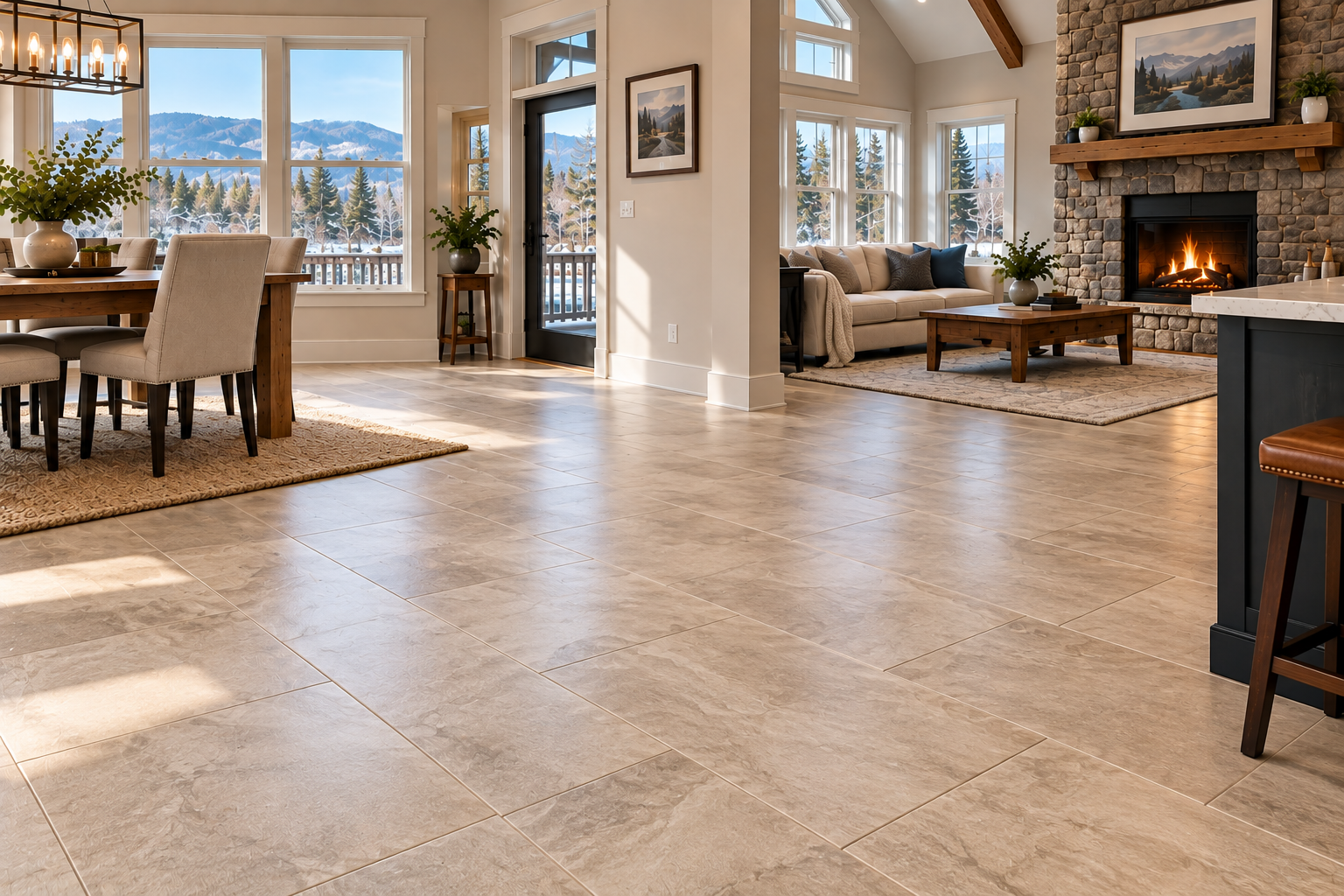
Tile can offer durability and a wide range of design options when installed over an appropriate substrate. The underlying structure, waterproofing requirements, and installation method are important considerations.
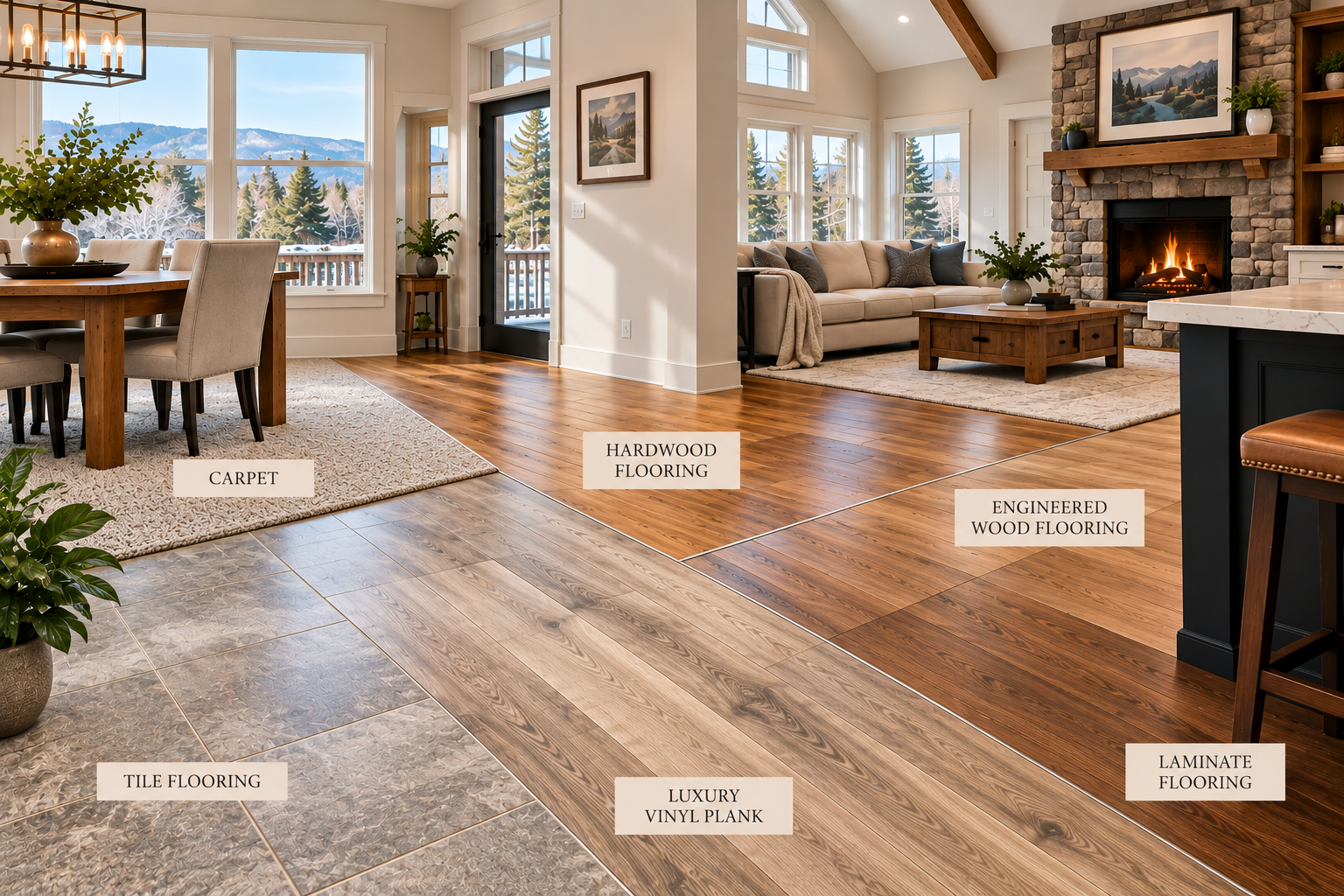
Additional flooring products may be appropriate depending on the room and project requirements.
Present these as educational options and confirm availability during project discussions. The right material depends on the room, your design preferences, maintenance expectations, budget, and the specific products being considered.
Compare Your Options
Both materials can create an attractive residential interior, but they differ in construction, maintenance, installation, and performance.
| Consideration | Hardwood | Luxury Vinyl Plank |
|---|---|---|
| Appearance | Natural wood grain | Manufactured wood-look designs |
| Material | Solid natural wood | Layered manufactured product |
| Moisture sensitivity | Generally sensitive to moisture | Product-specific water resistance |
| Maintenance | Depends on finish and use | Depends on product instructions |
| Installation | Requires suitable substrate and conditions | Requirements vary by product |
| Refinishing | Some products can be refinished | Typically not refinished |
| Cost | Varies by species and grade | Varies by construction and quality |
Neither material is universally better. The right choice depends on the room, your design preferences, maintenance expectations, budget, and the specific products being considered.
Ask About Flooring OptionsDifferent rooms have different demands. The flooring you choose should reflect how the space is used and the conditions it experiences.
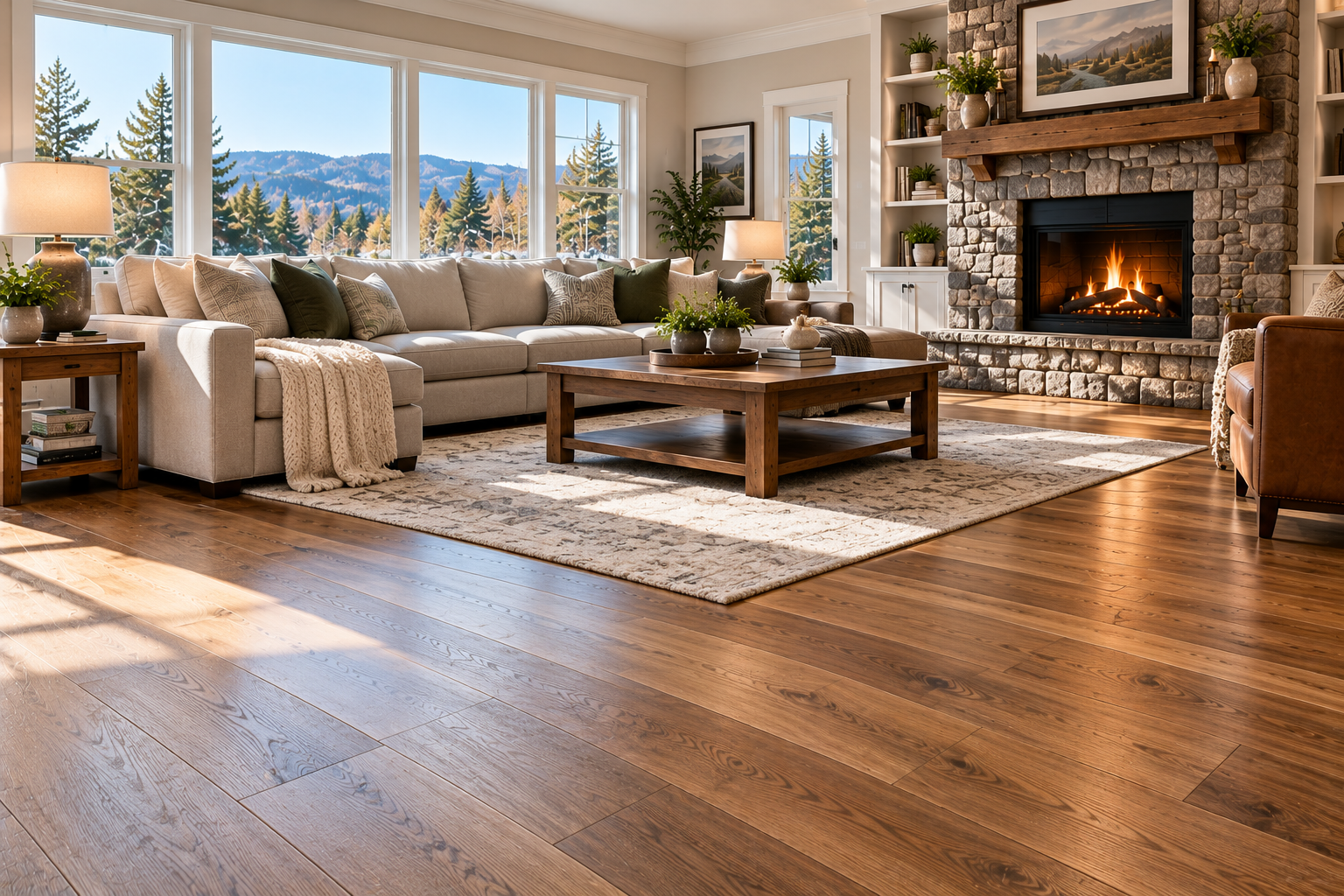
Consider comfort, appearance, furniture placement, and everyday activity.
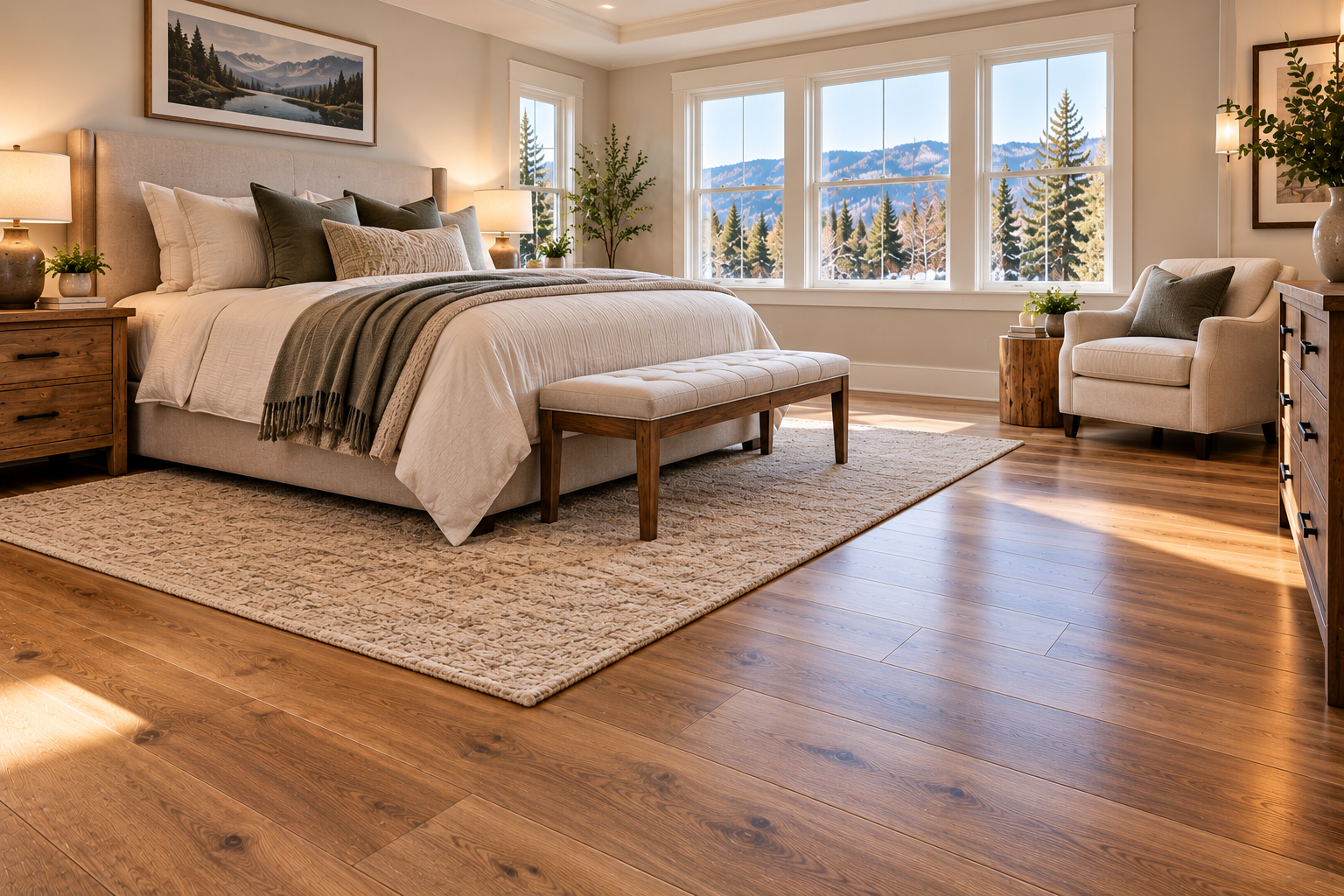
Warmth, comfort underfoot, and personal design preferences may guide material selection.
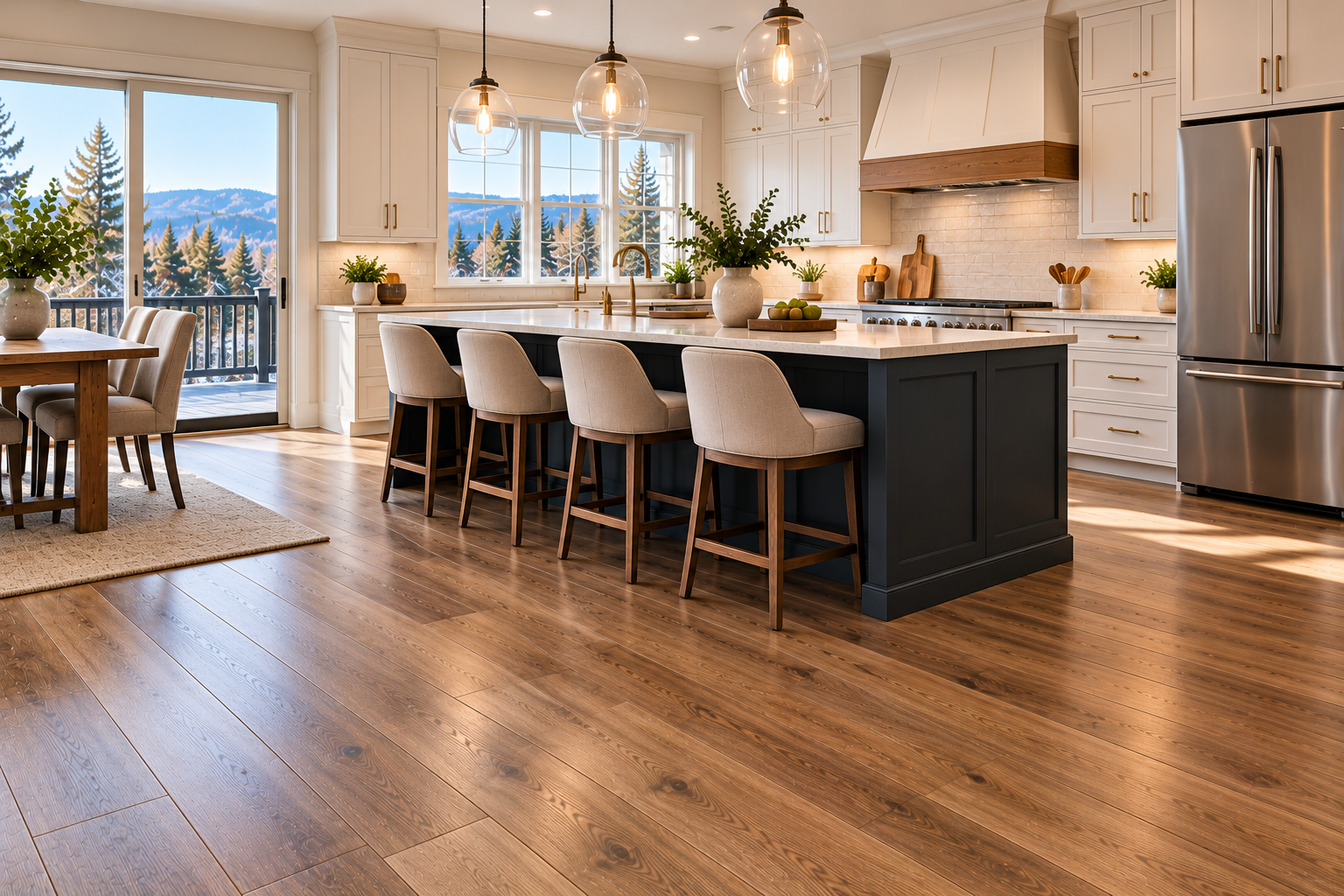
Consider spills, cleaning, durability, and transitions to adjoining rooms.
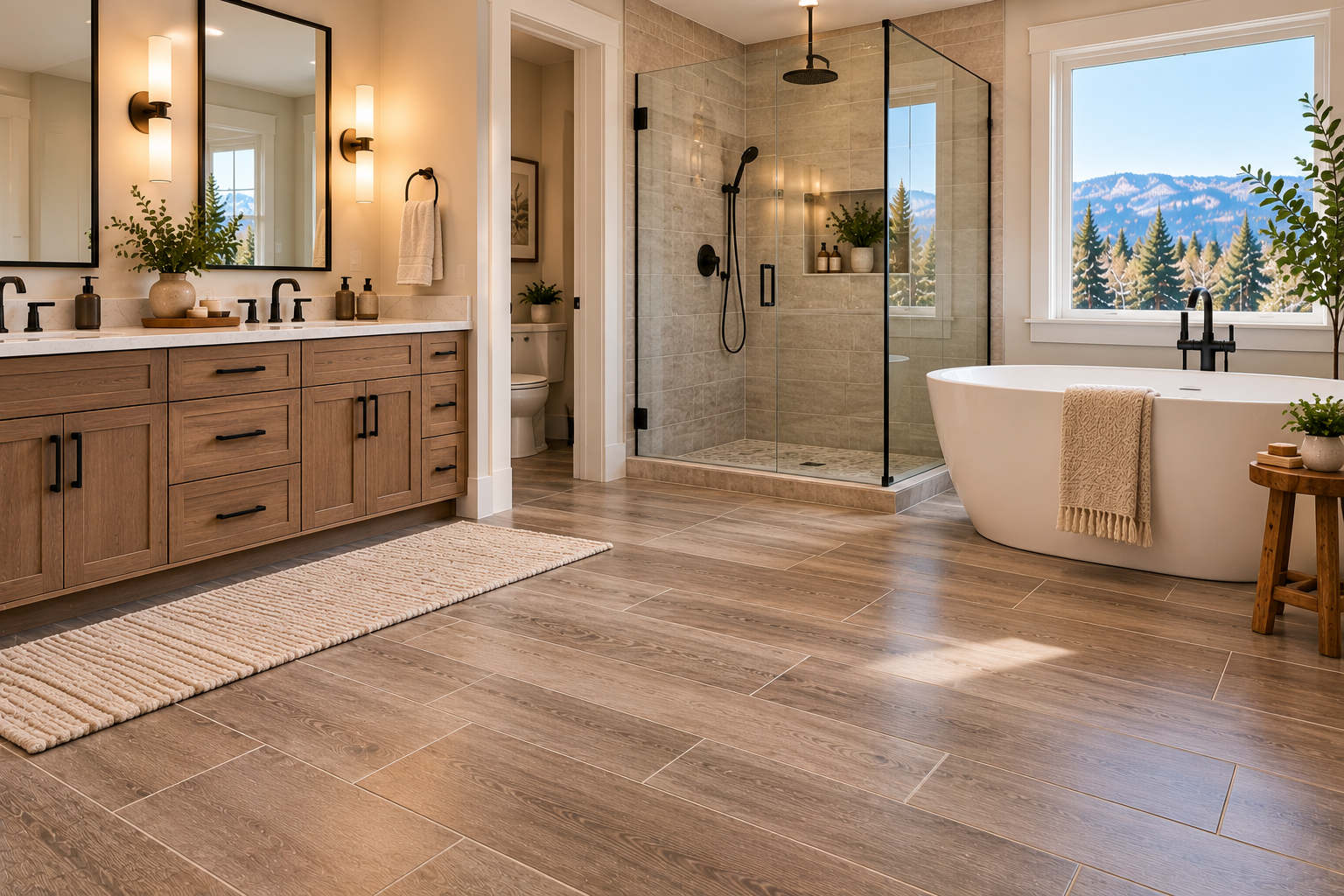
Moisture exposure, slip resistance, and appropriate installation assemblies are especially important.
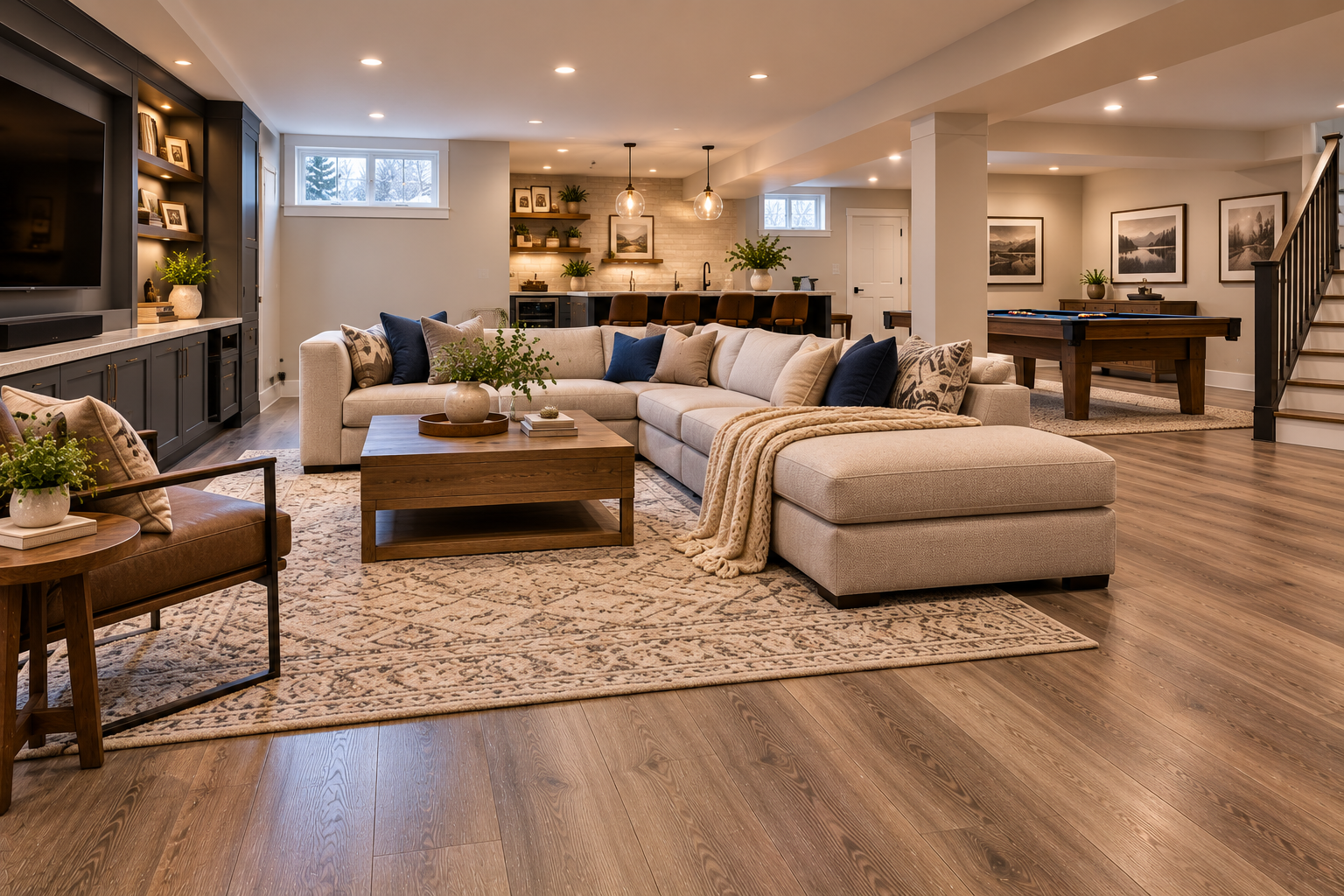
Below-grade moisture conditions and product suitability should be evaluated before choosing flooring.
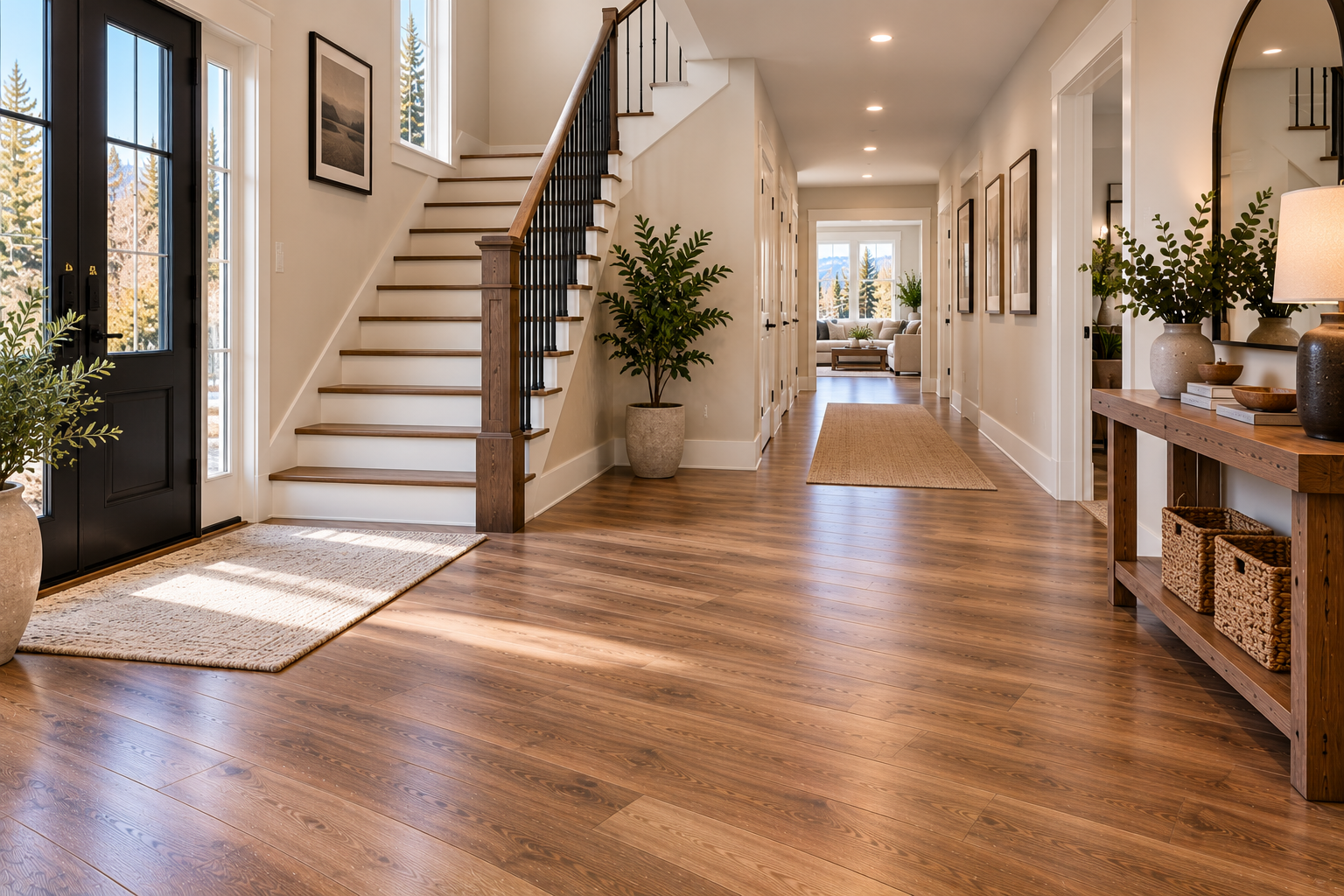
High-traffic areas may benefit from materials selected for wear resistance and maintenance needs.
The appropriate flooring depends on the room's conditions, the selected product, and the installation requirements. Do not assume specialized wet-area waterproofing or tile systems are available without confirming capabilities.
Scratches, worn finishes, fading, and surface deterioration may affect appearance and usability.
Movement, gaps, or damaged flooring components can indicate installation or underlying issues.
Swelling, staining, soft areas, or other changes may indicate moisture exposure that requires investigation.
Unevenness can result from several causes, including substrate conditions that may need evaluation.
Sometimes flooring replacement is primarily about refreshing the home's design.
Pets, children, accessibility considerations, and lifestyle changes may influence flooring preferences.
Not every flooring issue requires complete replacement. The appropriate solution depends on the material, existing conditions, and scope of the problem.
Request a Flooring Estimate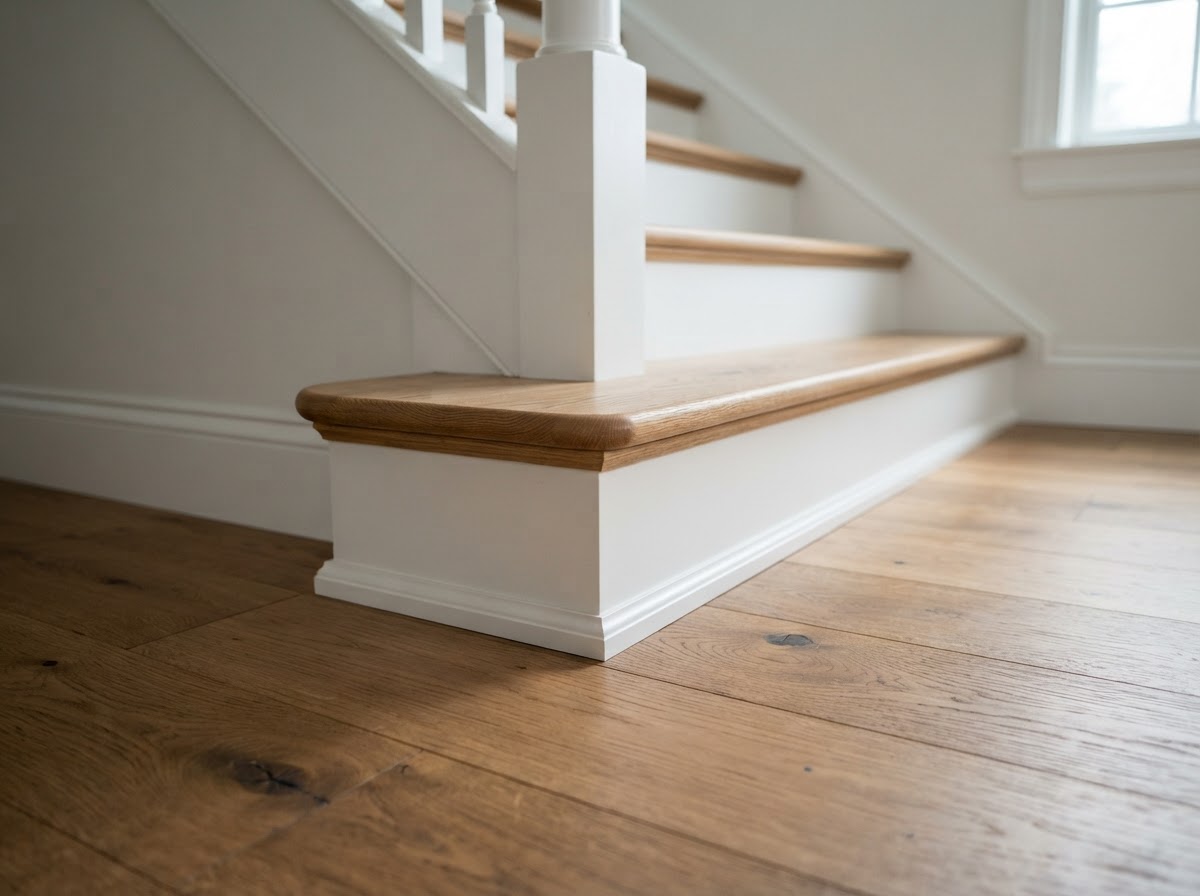
What's Underneath Matters
A finished floor depends on the condition and suitability of the surface beneath it.
The substrate should provide appropriate support for the selected flooring system.
Many flooring products have specific substrate flatness and preparation requirements.
Wood-based materials, concrete slabs, and below-grade spaces may require appropriate moisture evaluation.
Removal methods depend on the existing material, substrate, and potential hazards.
Installation methods, underlayments, fasteners, adhesives, expansion gaps, and environmental conditions vary by product.
Older flooring and adhesives may contain hazardous materials and should be assessed and handled by appropriately qualified professionals. New flooring cannot always be installed over every existing floor.
Plan for the Seasons
New Hampshire homes experience changing indoor humidity, winter heating, seasonal temperature differences, and varying moisture conditions. These factors can influence flooring selection and installation.
Wood and certain manufactured flooring materials can respond to changes in moisture and humidity.
Indoor heating conditions may affect relative humidity and the behavior of some flooring products.
Below-grade floors require particular attention to substrate and moisture conditions.
Snow, moisture, sand, and tracked-in debris can influence material selection and maintenance needs.
Appropriate product selection, preparation, and adherence to installation instructions help support the intended performance of the flooring system. No flooring is guaranteed to never expand, contract, scratch, or experience moisture damage.
The installation method depends on the flooring material, product design, substrate, and manufacturer requirements.
Some flooring systems use interlocking or other configurations that allow the finished surface to float over a suitable substrate.
Certain wood flooring products may use mechanical fastening over compatible substrates.
Some flooring products use manufacturer-specified adhesives and substrate preparation.
Tile installations require appropriate substrates, setting materials, movement accommodation, and other system-specific details.
The correct method should be selected according to the specific product and existing conditions. Availability of every installation method should be confirmed before planning.
The way flooring connects to walls, doorways, stairs, and adjoining rooms can influence the entire appearance of a renovation.
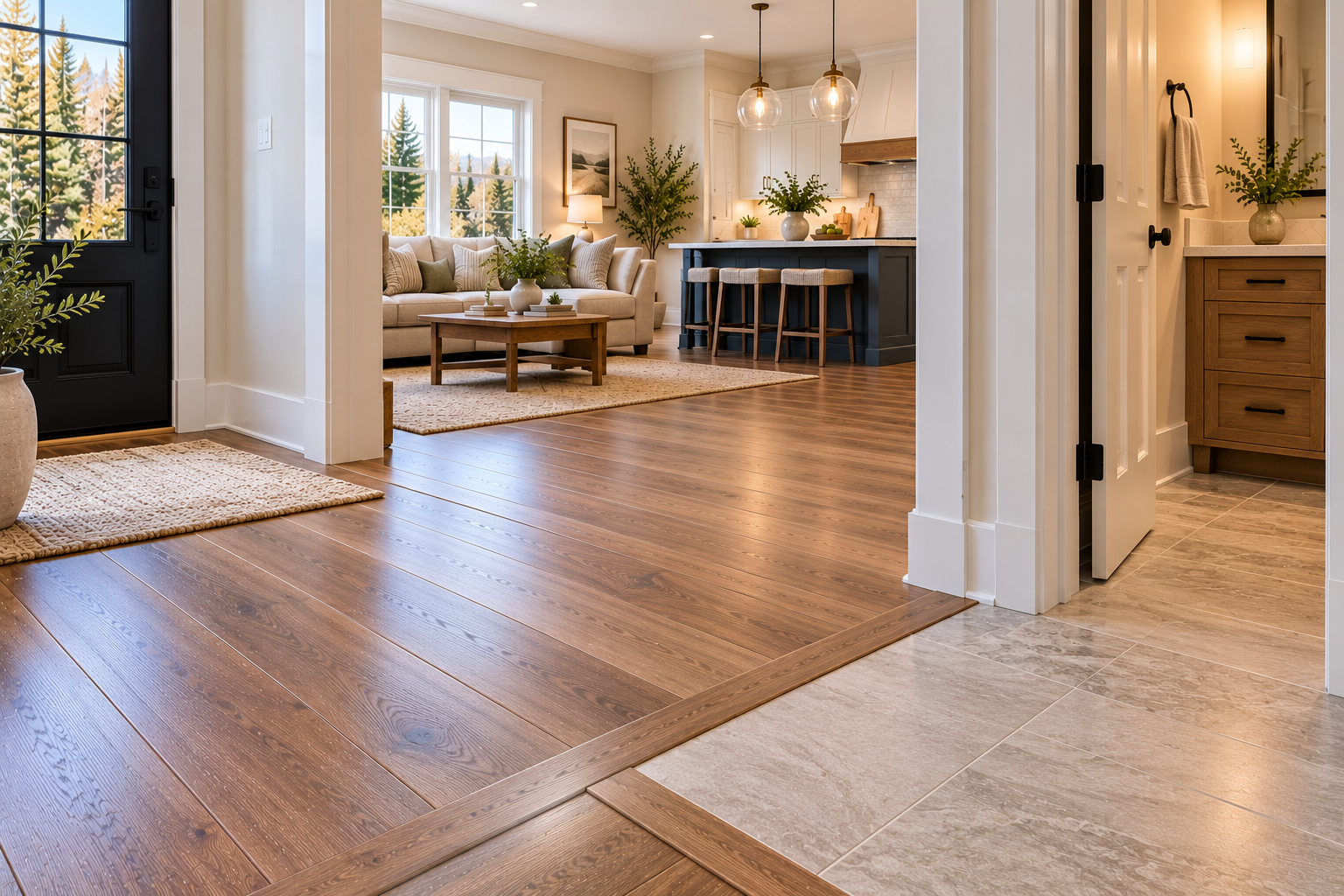
Thoughtful transitions help different flooring materials meet appropriately.
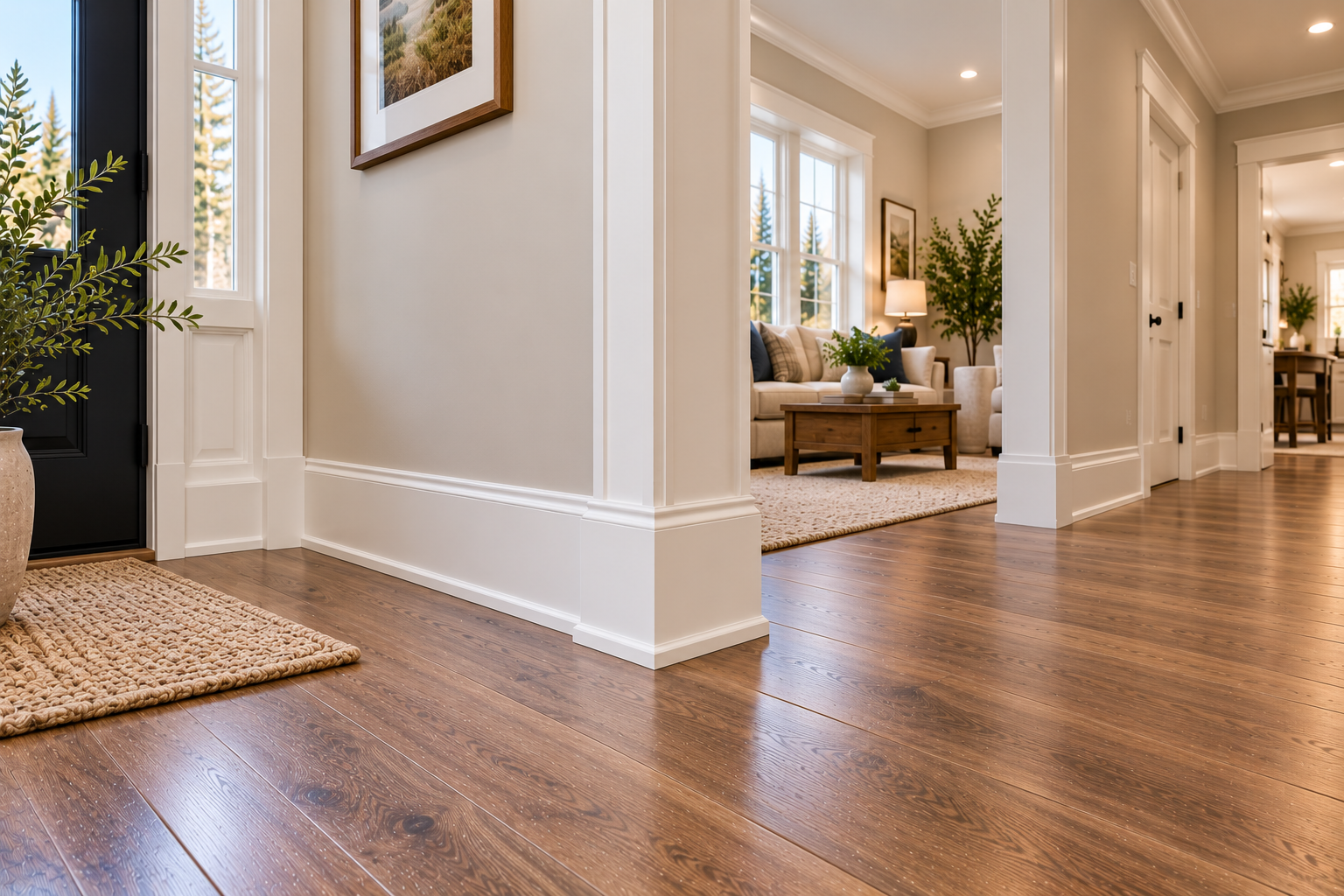
Trim details contribute to a finished, cohesive appearance.
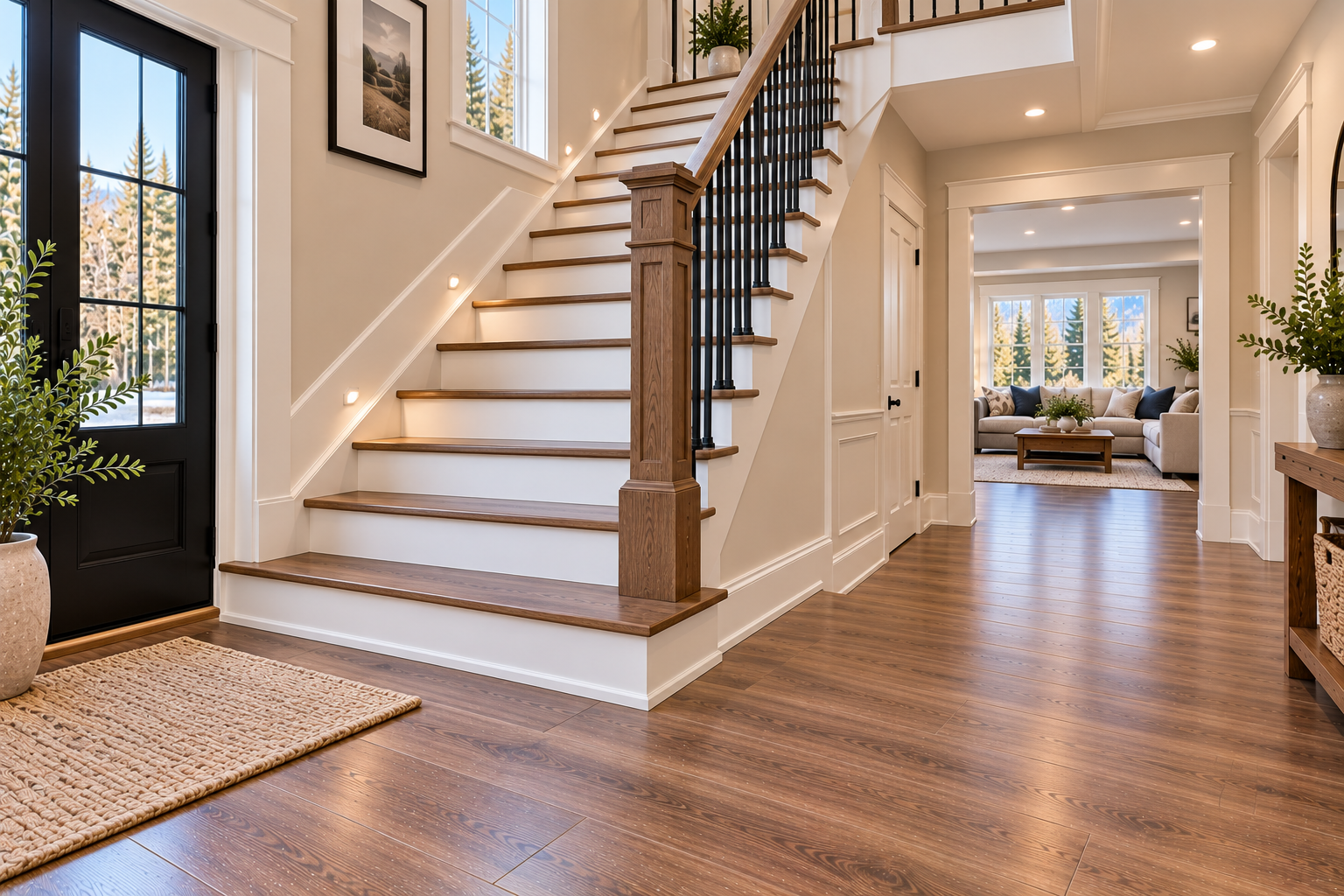
Flooring transitions at stairs require particular attention to safety, nosing profiles, and applicable requirements.
Flooring tones, wall colors, cabinetry, and trim can work together to create a unified interior.
From warm natural wood to clean contemporary finishes, flooring can establish the character of a room. Explore ideas as you consider your own project.
Flooring Inspiration. The images below are illustrative examples, not verified Silvey projects. We will update this section as approved project photography becomes available.
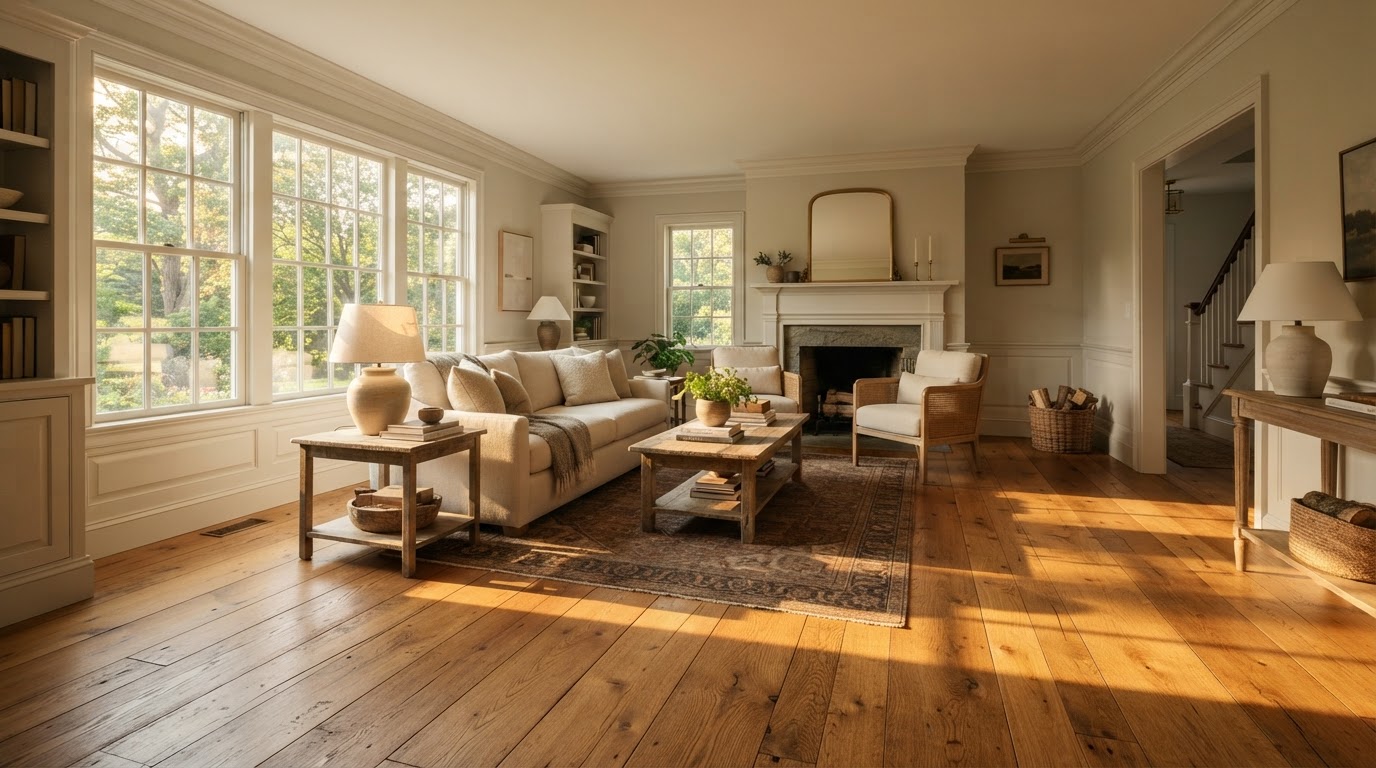 Inspiration
Timeless hardwood character that brings warmth to a home.
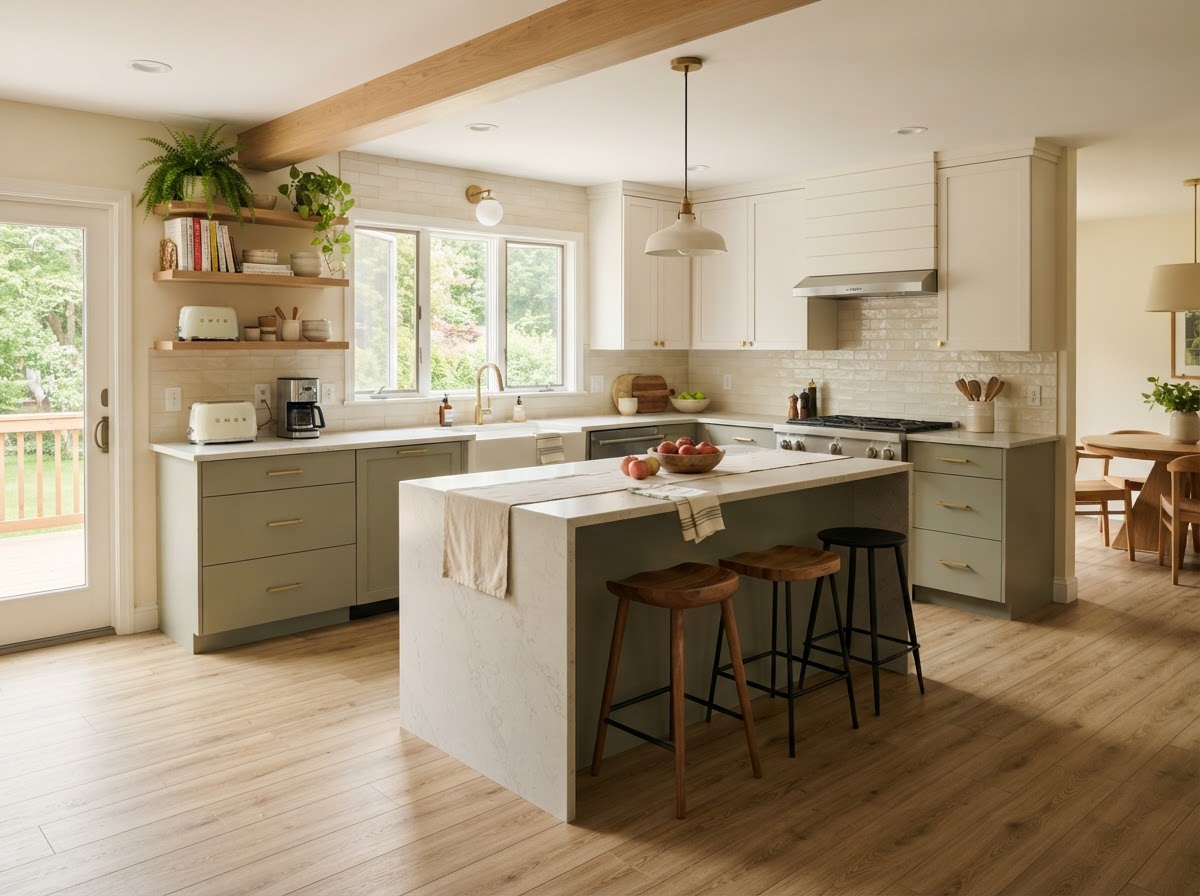 Inspiration
Clean finishes that help a space feel bright and open.
InspirationTraditional finishes that complement period architecture.
Share the rooms involved, approximate project size, existing flooring, and the changes you're considering.
Explore appearance, durability, maintenance, budget, and the intended use of each space.
Depending on the project, next steps may include evaluating existing conditions, discussing material options, and preparing an estimate.
Once the materials, scope, and requirements are understood, you can decide how to move forward.
Silvey Home Improvements is based in Weare, New Hampshire, and serves homeowners throughout surrounding Southern and Central New Hampshire communities.
Whether you're replacing worn flooring or planning a larger interior renovation, contact us to discuss your home and project.
FLOORING FAQ
Costs depend on the material, room size, existing flooring removal, subfloor conditions, preparation requirements, installation method, and finishing details. A project-specific estimate is the best way to understand likely costs.
The right choice depends on traffic, pets, moisture exposure, maintenance preferences, and the specific product. Durable vinyl, laminate, wood, tile, and other materials may be considered depending on the room.
Neither is universally better. Hardwood offers natural wood character, while LVP provides manufactured designs with different performance and maintenance characteristics. The best option depends on the space and priorities.
Sometimes, but only when the existing surface and selected product meet the necessary installation requirements. Some projects require removal of the old flooring.
Not always. The existing subfloor should be evaluated for stability, moisture damage, flatness, and compatibility with the new flooring system.
The best choice depends on the slab or subfloor, moisture conditions, intended use, and manufacturer specifications. Active moisture problems should be resolved before installing finishes.
Timing depends on the project size, material, preparation, existing conditions, and installation method. A realistic schedule can be discussed once the scope is understood.
Many wood flooring products have environmental conditioning requirements, but the appropriate procedure depends on the product and manufacturer instructions.
Many interior flooring projects can be completed during colder months when the indoor environment and substrate meet the selected product's installation requirements.
Some damage may be repairable, depending on the flooring material, extent of the problem, availability of matching products, and condition of the underlying surface.
Consider scratch resistance, traction, cleaning, moisture exposure, comfort, and the characteristics of the specific flooring product.
Visit the Free Estimate page and describe the rooms, existing flooring, preferred materials, and improvements you're considering. You can also call (978) 848-1986.
Explore residential renovations that may include flooring and broader interior improvements.
ExplorePlan below-grade flooring as part of a finished lower-level space.
ExploreCoordinate stair improvements with flooring transitions and trim.
ExploreRefresh wall and trim finishes alongside new flooring.
ExploreWhether you're replacing aging floors, updating a favorite room, or planning flooring as part of a larger renovation, we'd welcome the opportunity to hear about your project. Tell us what you have in mind, and let's discuss the next steps.
Share a few details about your home, the rooms involved, and the flooring improvements you're considering. We'll review your request and follow up to discuss the next steps.
Prefer to talk first? Call us at (978) 848-1986 and we'll help you think through the next steps for your flooring project.