Drywall Installation
New drywall installation for residential remodeling, additions, basement finishing, and other interior improvement projects.
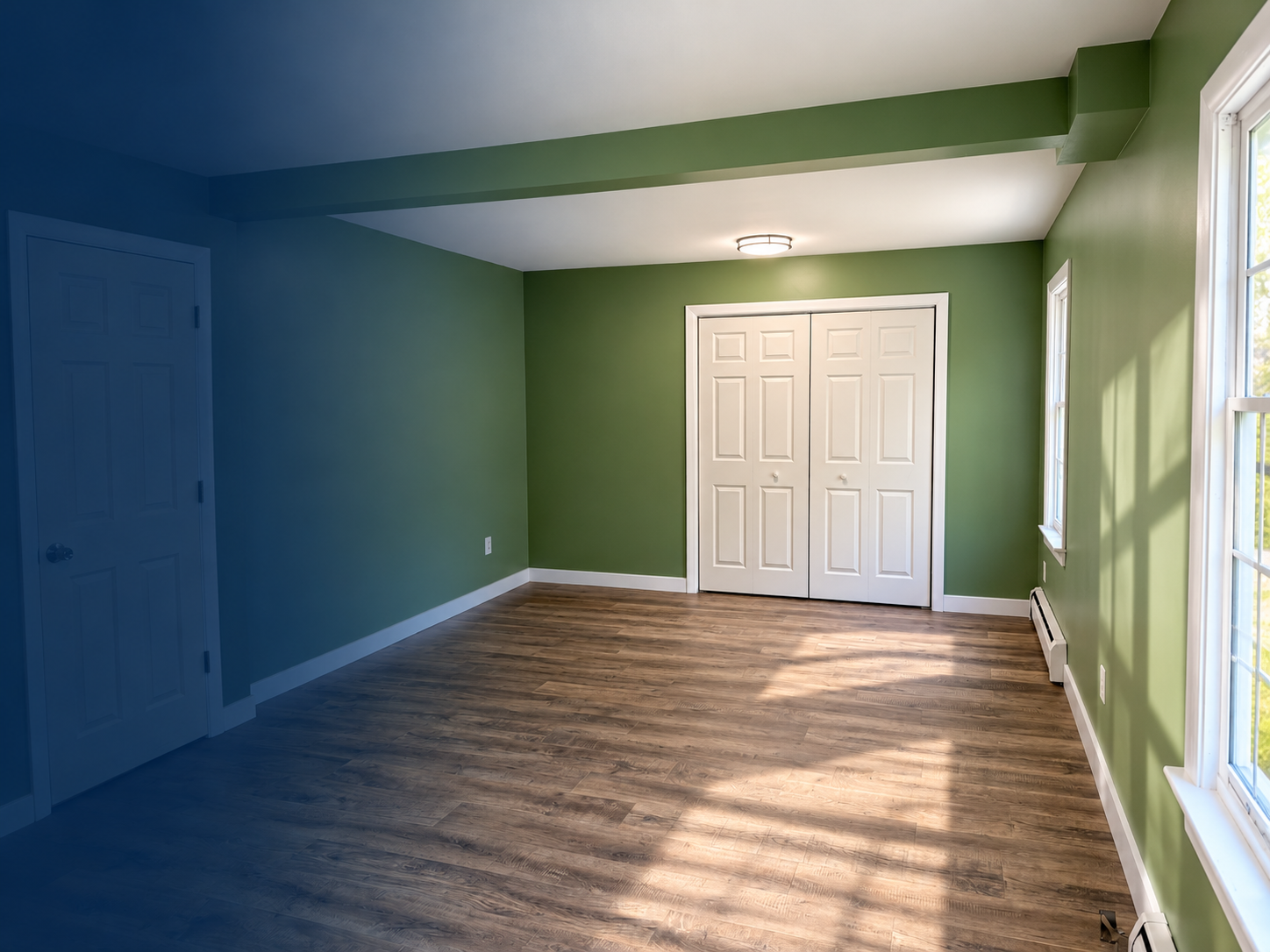
Drywall plays an important role in how your home looks and feels.
Whether you're finishing a new space, repairing damaged walls, or updating an existing room, proper installation and finishing help create a clean foundation for the rest of your interior. Silvey Home Improvements provides residential drywall installation and repair services for homeowners in Weare and surrounding New Hampshire communities.
THE FOUNDATION OF A FINISHED SPACE
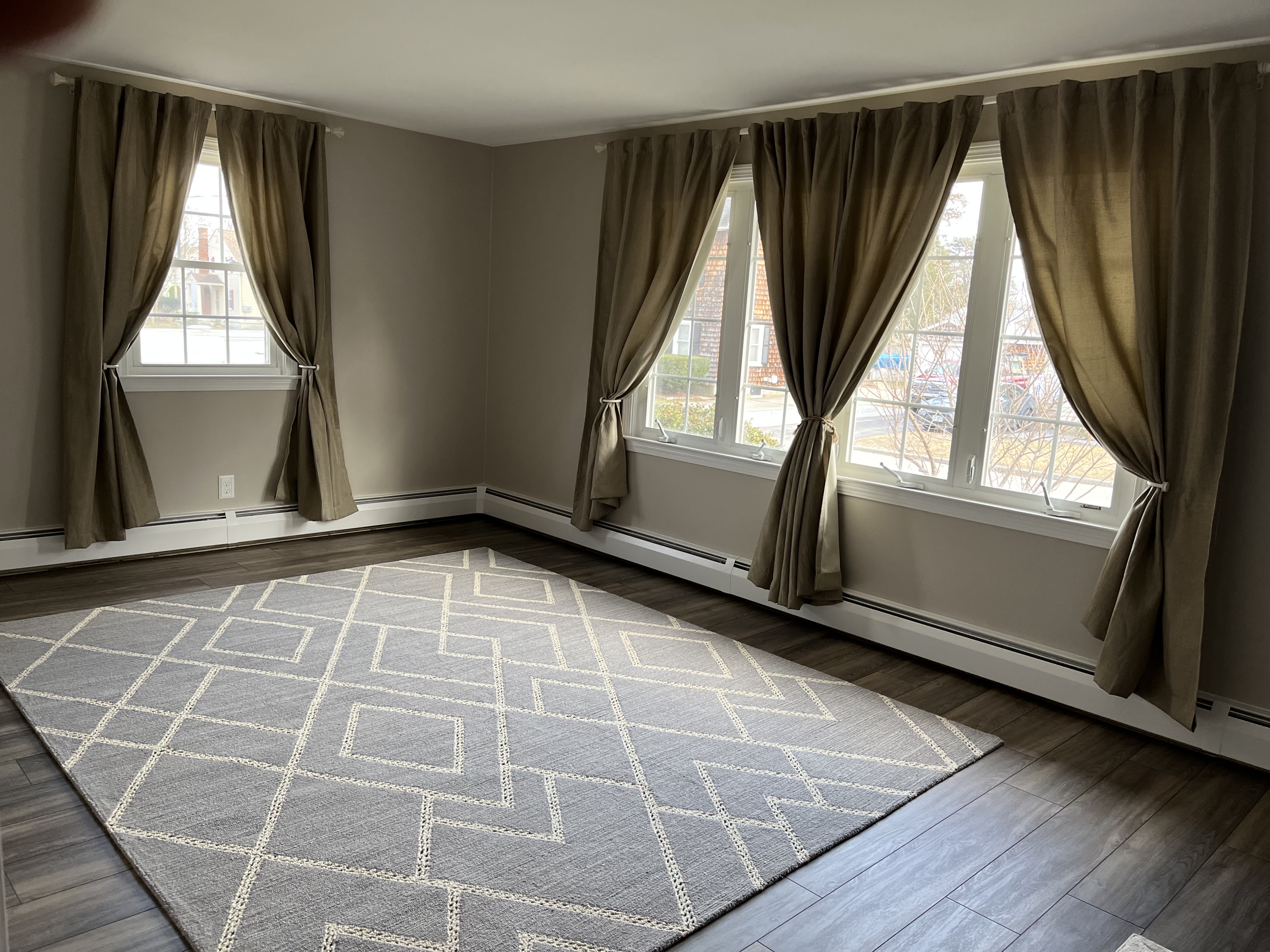
Drywall is more than the surface behind your paint. It helps define the appearance of a room, creates smooth transitions between walls and ceilings, and provides the foundation for interior finishes.
Over time, drywall may develop cracks, dents, holes, water-related damage, or visible imperfections.
Other projects involve installing entirely new drywall as part of a renovation, basement finishing project, or room addition.
A thoughtful approach considers the existing wall conditions, appropriate materials, finishing requirements, and how the completed surface will work with the rest of your home.
WHAT WE CAN HELP WITH
From individual repairs to larger interior renovations, drywall projects vary in size and complexity. The right approach depends on the condition of the existing surfaces and the finish you're hoping to achieve.
New drywall installation for residential remodeling, additions, basement finishing, and other interior improvement projects.
Repair of suitable holes, dents, cracks, and damaged sections to restore the appearance of existing walls and ceilings.
Joint taping, compound application, sanding, and finishing work to prepare drywall surfaces for appropriate decorative finishes.
Assessment and repair of damaged ceiling drywall, including areas affected by cracks, openings, or previous water exposure.
Consideration of moisture-resistant drywall products in appropriate locations, subject to manufacturer instructions and applicable building requirements.
Surface preparation, suitable texture removal, and skim coating to help create a more uniform appearance on existing walls or ceilings.
CHOOSING THE RIGHT FINISH
Not every room requires the same drywall finish. Lighting conditions, wall coverings, paint sheen, and the desired appearance can influence the appropriate finishing level.
A commonly specified finish for many residential interiors where flat or suitably textured finishes will be applied.
A higher finishing level that includes a skim coat or other approved treatment over the drywall surface.
REPAIR OR REPLACE?
Not every damaged wall requires complete replacement. Some problems can be addressed through targeted repairs, while others call for removing and replacing affected drywall.
Water-damaged drywall should be evaluated only after the moisture source has been identified and addressed. Suspected mold, hazardous materials, or significant structural damage may require qualified specialists.
WHAT'S UNDERNEATH MATTERS
The appearance of finished drywall depends on more than the final coat of paint. The condition of the framing, installation methods, joint treatment, and surface preparation all contribute to the result.
Walls and ceilings need suitable support and alignment for the selected drywall system.
Board type, thickness, and intended use should be appropriate for the location and applicable requirements.
Proper joint treatment helps create continuous surfaces between individual drywall panels.
Careful finishing and sanding help prepare the surface for primer, paint, or other compatible finishes.
Natural and artificial lighting can reveal surface variations, making finishing level and paint selection important considerations.
A successful drywall project brings these details together to create a surface suited to the room and its intended finish.
BUILT FOR THE CONDITIONS
New Hampshire homes experience seasonal temperature changes, winter heating, humidity fluctuations, and varying moisture conditions. These factors can affect interior materials and the performance of wall and ceiling finishes.
Changes in temperature and humidity may contribute to minor movement in building materials and the appearance of cracks at joints or transitions.
Below-grade spaces require particular attention to moisture conditions, material suitability, and the design of the surrounding wall assembly.
Bathrooms and other moisture-prone locations may require specialized boards, waterproofing systems, or other approved materials depending on the application.
Some garage and utility-area assemblies are subject to fire-resistance and separation requirements. The complete assembly, not simply the drywall board, must meet applicable specifications.
Silvey Home Improvements is based in Weare, New Hampshire, and serves homeowners throughout surrounding Southern and Central New Hampshire communities.
Whether you're repairing damaged walls, updating ceilings, or planning drywall as part of a larger renovation, contact us to discuss your home and project.
DRYWALL INSTALLATION & REPAIR FAQ
Costs depend on the size of the area, accessibility, existing conditions, material selection, finishing requirements, and project complexity. A project-specific estimate provides a more useful starting point than a general price.
In many cases, localized drywall damage can be repaired without replacing the entire wall. The appropriate repair depends on the size and location of the damage and the condition of the surrounding material.
Some damage may be repairable after the moisture source has been corrected. Severely damaged, contaminated, or unsuitable drywall may need replacement. The underlying cause should be addressed before restoration.
Level 4 is commonly used for many standard residential finishes. Level 5 adds an overall skim coat or approved treatment to help reduce visible surface differences under certain lighting and decorating conditions.
Dust-conscious work practices may include suitable containment, protective coverings, extraction equipment, and cleanup. The appropriate measures depend on the work area and existing conditions. Dust cannot be guaranteed to be completely eliminated.
Drywall may be suitable for some basement applications when moisture conditions, wall assembly design, and material requirements are appropriately addressed. Existing water intrusion or dampness should be investigated first.
No. Moisture-resistant drywall is not the same as a waterproof assembly. Areas subject to direct water exposure may require specialized backer materials and properly designed waterproofing systems.
Some ceiling damage can be repaired, depending on its cause, extent, and the condition of the supporting materials. Significant sagging, recurring moisture damage, or suspected structural problems require further evaluation.
Some textured ceilings can be removed or refinished, depending on the existing materials and surface conditions. Older ceiling textures may contain asbestos and should be evaluated before disturbance.
The schedule depends on the project size, number of finishing coats, drying conditions, repairs, and the selected finish. Larger projects and more demanding finishes generally require additional time.
Drywall work may be possible during winter when suitable indoor temperature, ventilation, and humidity conditions can be maintained in accordance with product requirements.
Contact Silvey Home Improvements with your project location, the areas requiring work, and a description of the installation or repair. You can request a consultation or call (978) 848-1986.
A fresh finish that completes the look of your walls and ceilings.
ExploreBelow-grade wall and ceiling assemblies that turn a basement into living space.
ExploreLarger renovations that coordinate drywall with the rest of the home.
ExploreNew floors that pair with refreshed walls and trim.
ExploreBUILD SOMETHING BETTER
Whether you're repairing damaged drywall, finishing a new room, or planning a larger interior renovation, we'd welcome the opportunity to hear about your project. Tell us what you're working on, and let's discuss the next steps toward a cleaner, more finished space.
Share a few details about your home, the walls or ceilings involved, and the improvements you're considering. We'll review your request and follow up to discuss the next steps.
Prefer to talk first? Call us at (978) 848-1986 and we'll help you think through the next steps for your drywall project.