
Interior Painting
Refresh residential living spaces with colors and finishes suited to the room and existing surfaces.
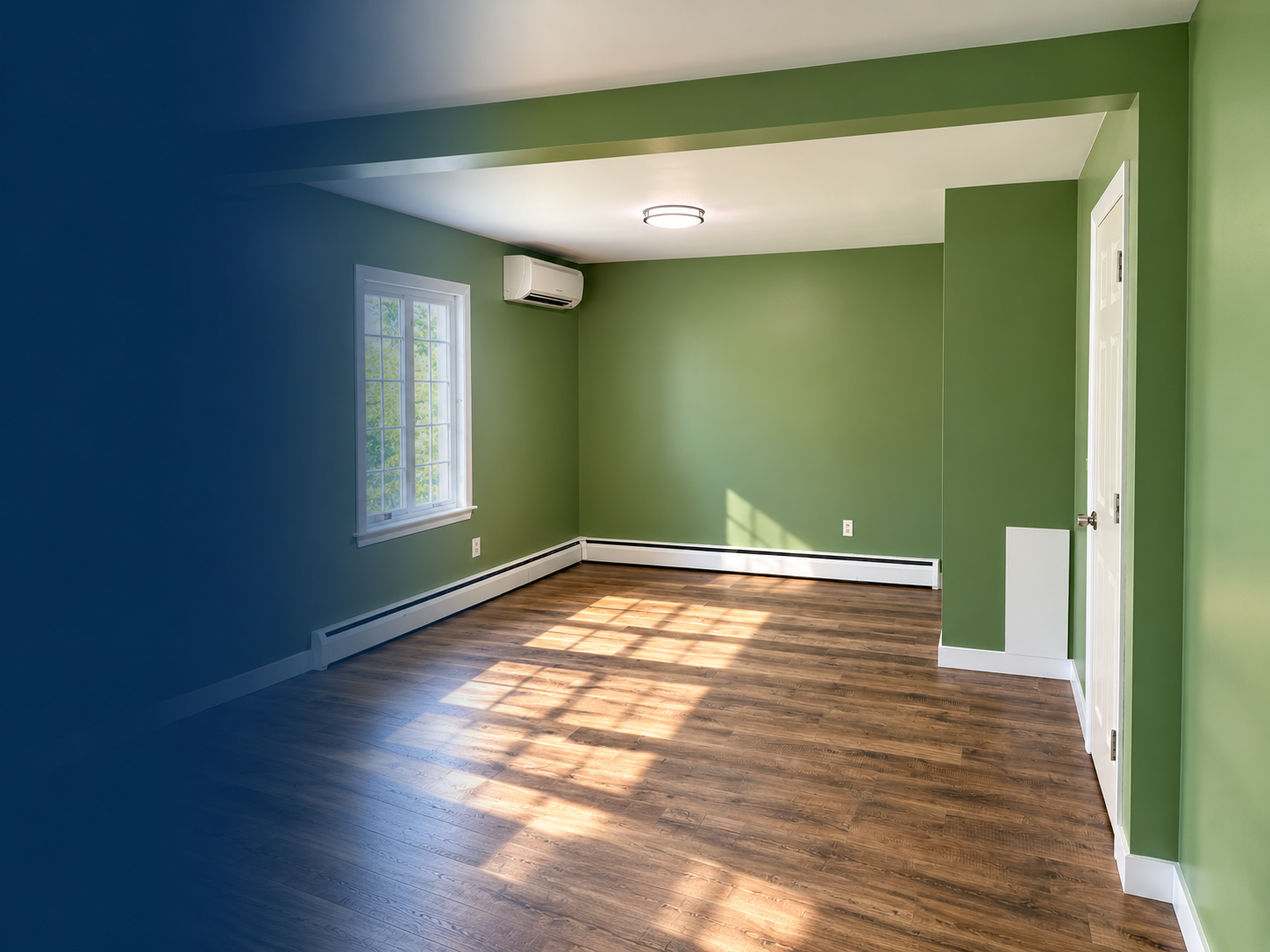
Fresh Color. Beautiful Finishes. A Home That Feels New Again.
A fresh coat of paint can change the entire feeling of a home. From brightening interior rooms to refreshing exterior siding and trim, thoughtful painting improvements can bring new character, warmth, and visual appeal to the spaces you use every day. Silvey Home Improvements helps New Hampshire homeowners explore residential painting projects with attention to preparation, material selection, color, and finishing details.
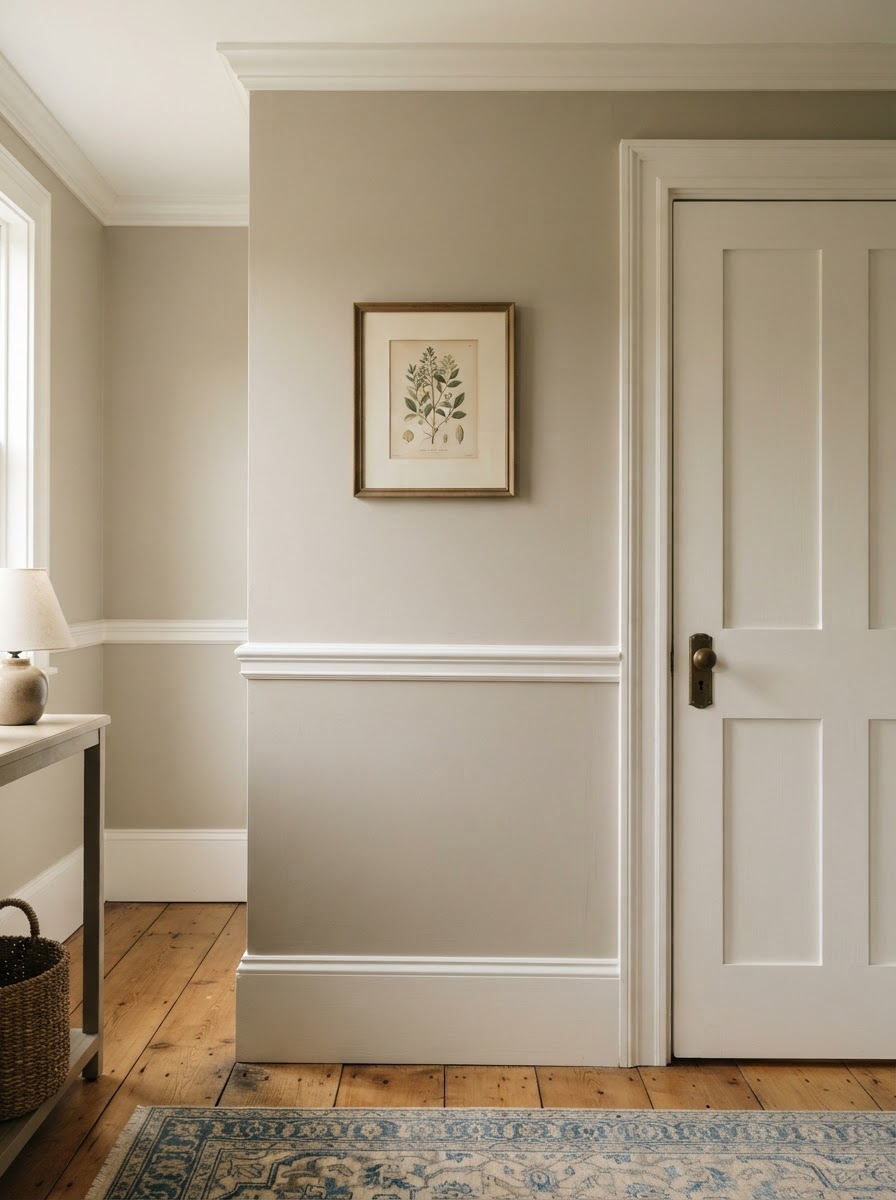
MORE THAN A NEW COLOR
Painting is one of the most effective ways to refresh the appearance of a home.
But the final result depends on more than the color you choose.
Surface preparation, existing coatings, moisture conditions, primers, application methods, and finishing details all influence how a painted surface looks and performs.
Whether you're updating a favorite room, refreshing exterior trim, or planning painting as part of a larger renovation, thoughtful preparation helps establish the foundation for a quality finish.
WHAT WE CAN HELP WITH
Every painting project has its own goals, surfaces, and preparation needs.
Refresh residential living spaces with colors and finishes suited to the room and existing surfaces.
Explore exterior painting improvements for suitable siding, trim, and other residential surfaces.
Update the appearance of walls and ceilings with appropriate surface preparation and coating selection.
Painted trim, baseboards, doors, and architectural details can help create a cohesive interior.
Coordinate painting with drywall work, flooring, room renovations, and other home improvements.
Existing surfaces may require cleaning, sanding, patching, priming, or other preparation before new coatings are applied.
REFRESH THE ROOMS YOU LOVE
Interior paint can make a room feel brighter, warmer, calmer, or more distinctive. The right colors and finishes should complement the room's natural light, flooring, cabinetry, trim, and furnishings.
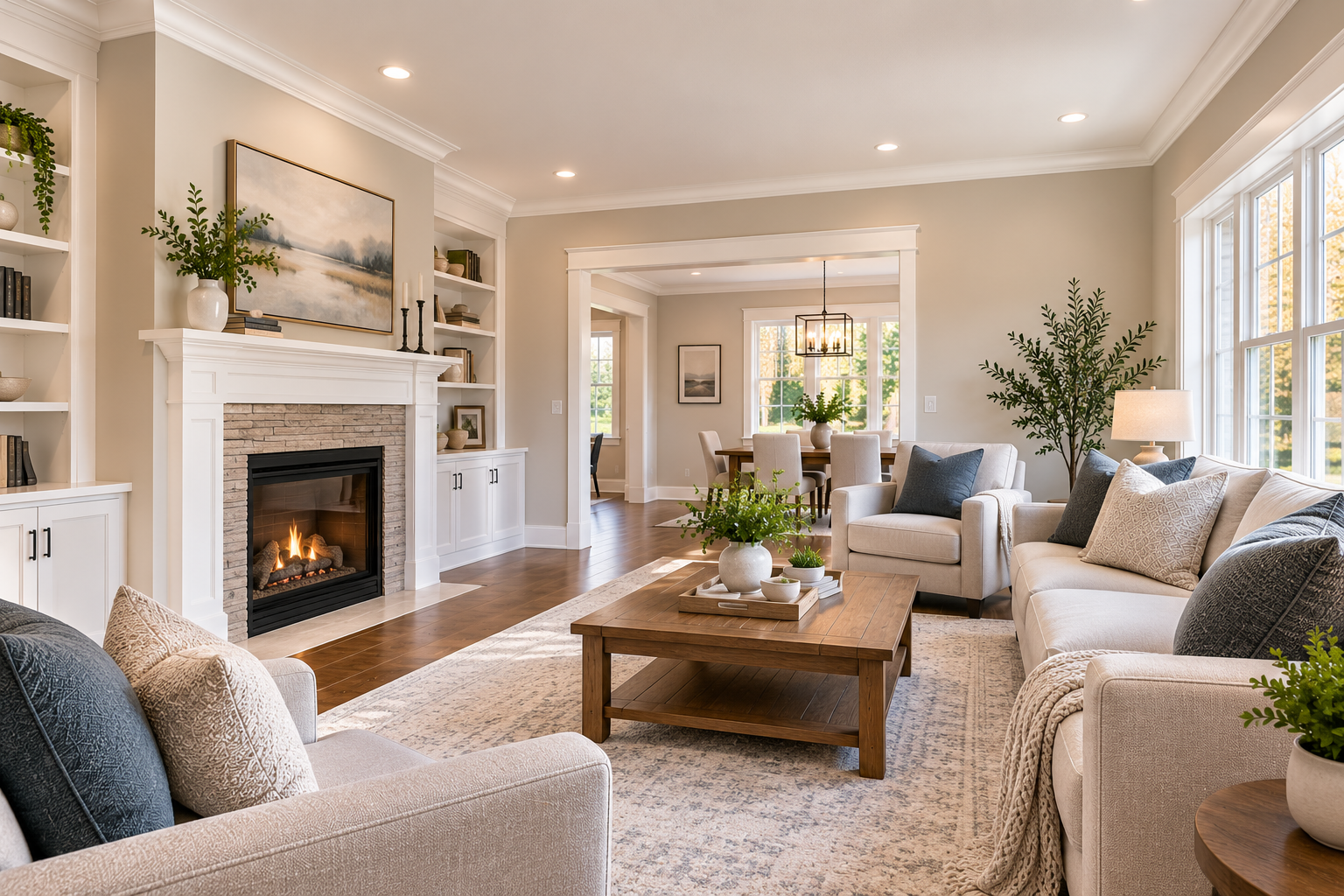
Create a welcoming atmosphere with colors that complement the home's architecture and furnishings.
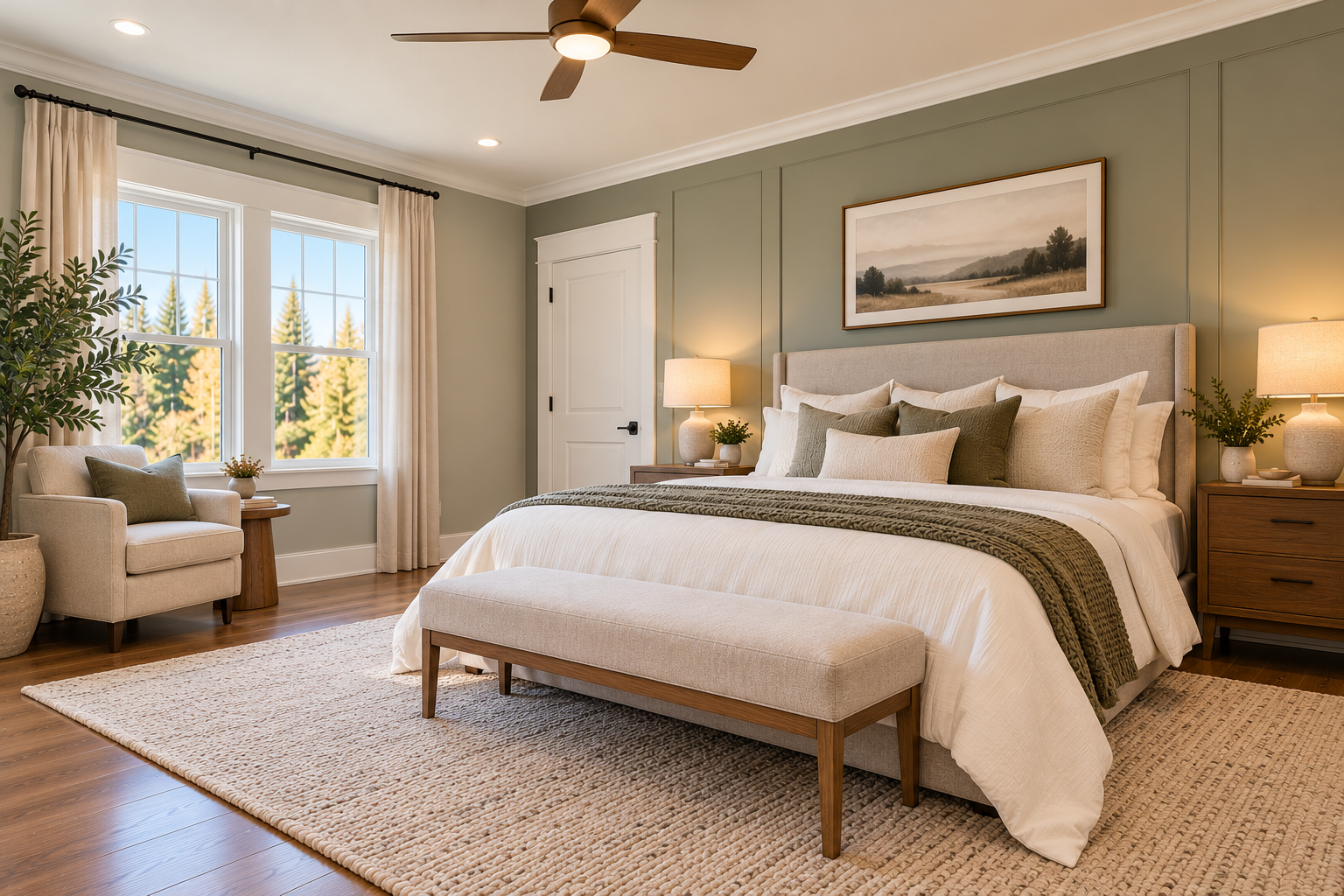
Explore calming neutrals, warm colors, or more expressive finishes that suit your personal style.
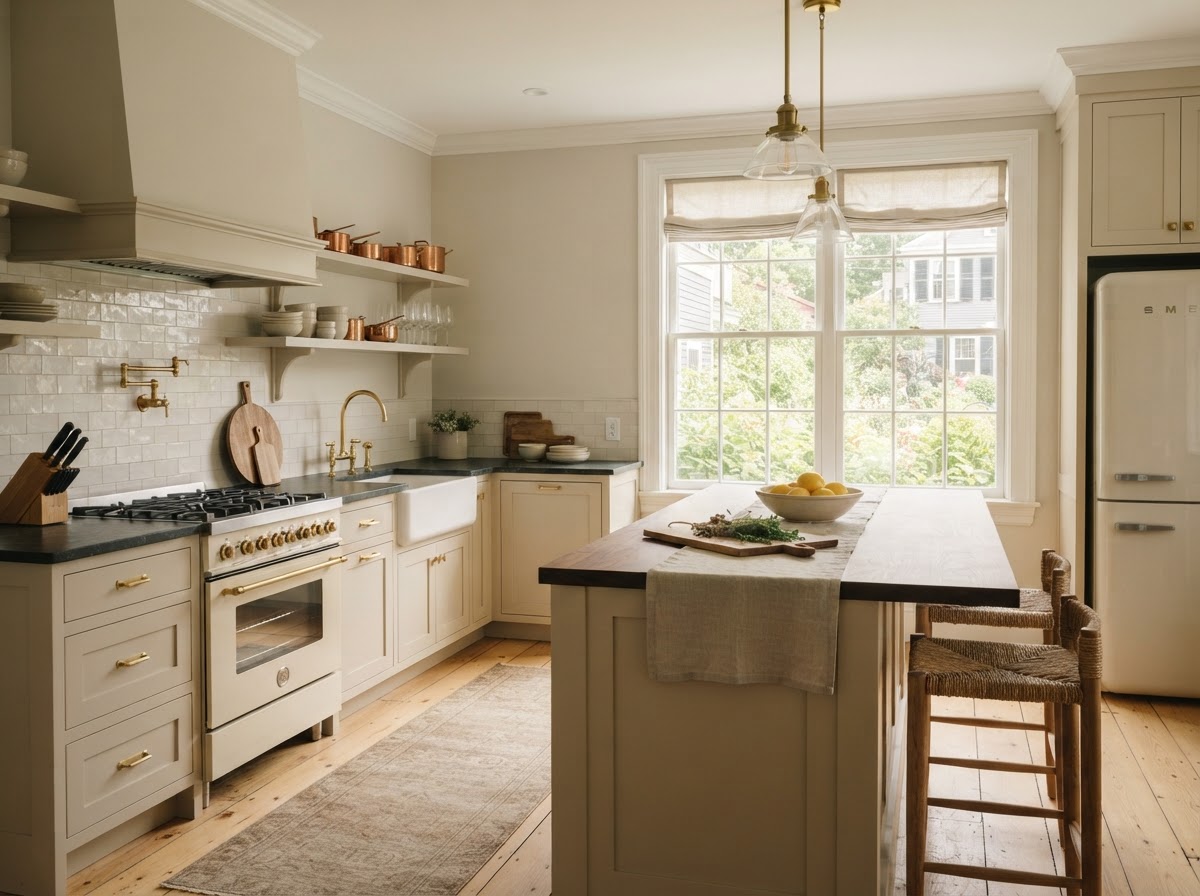
Coordinate wall colors with cabinets, countertops, flooring, and existing finishes.
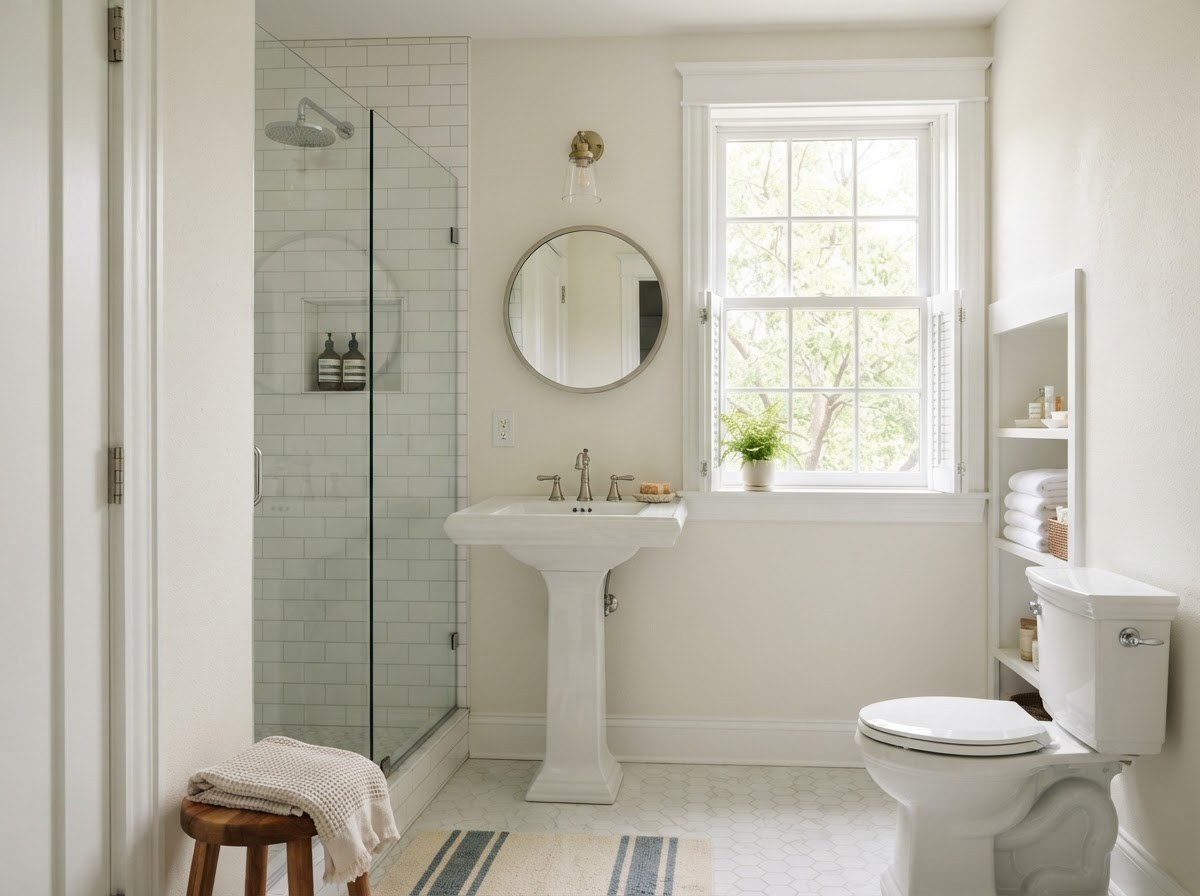
Choose coating systems appropriate for the room's ventilation and moisture conditions.
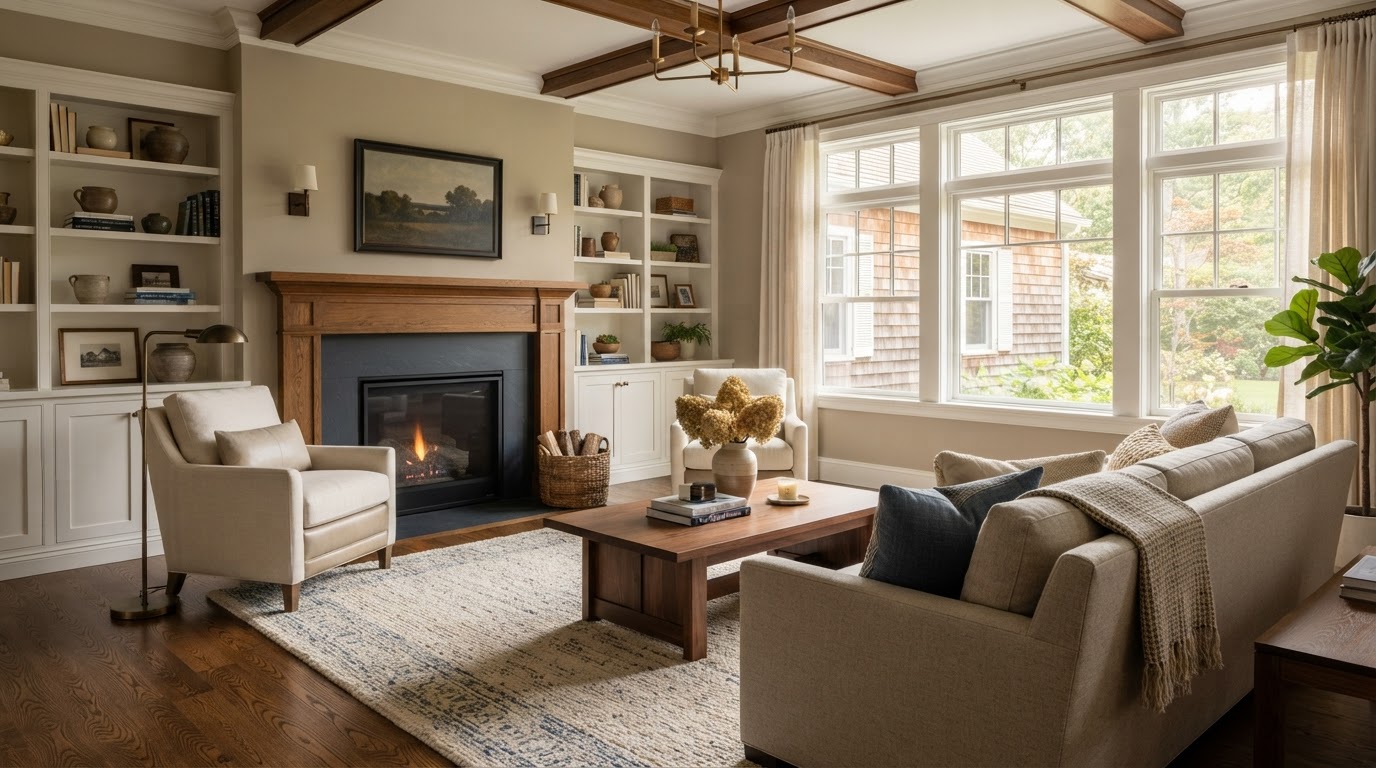
Consider appearance, maintenance, and durability in frequently used areas.
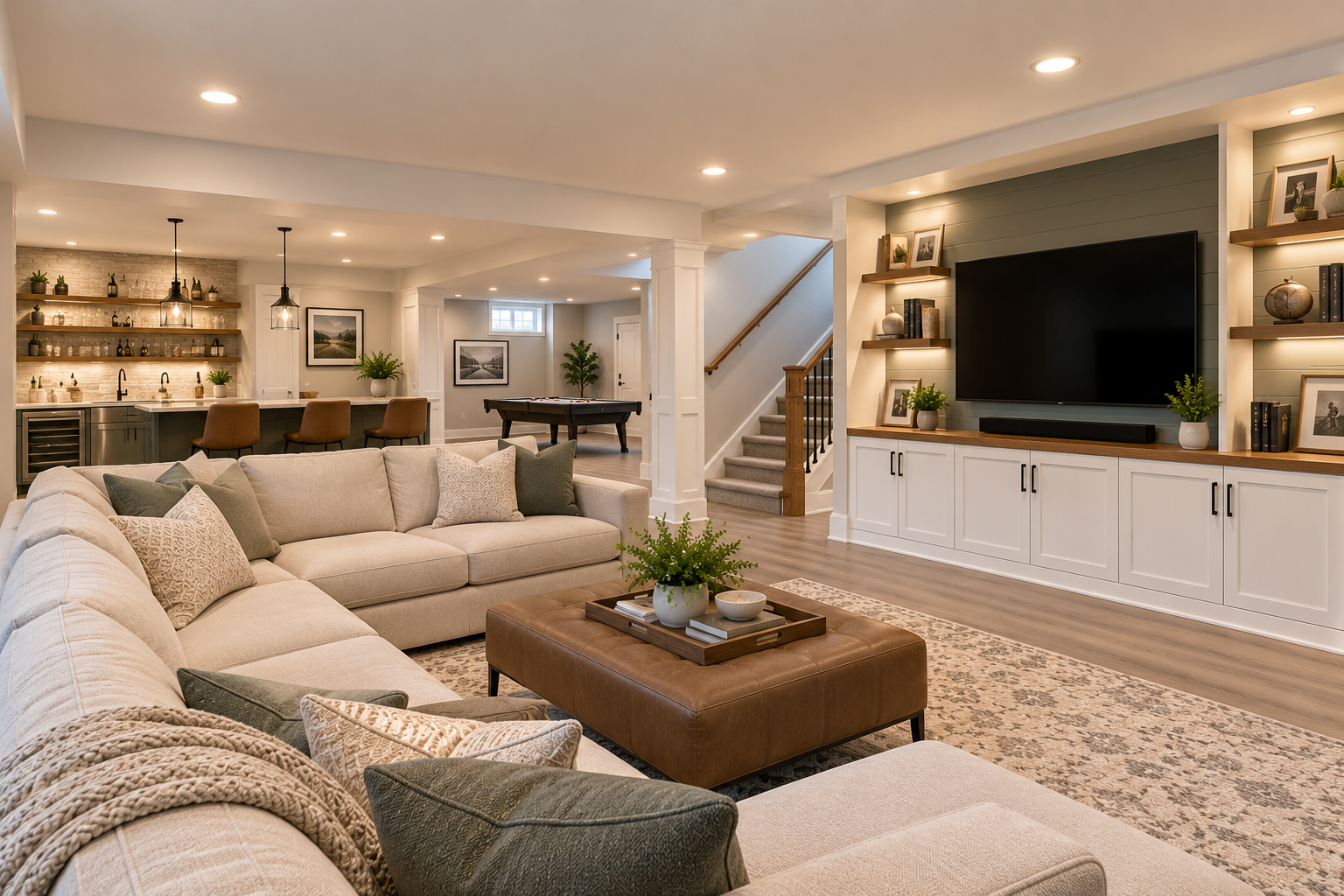
Coordinate paint selection with the finished wall assembly, lighting, and moisture conditions.
MAKE A GREAT FIRST IMPRESSION
Exterior paint contributes to a home's appearance and helps protect suitable surfaces when the coating system is properly selected and maintained. New Hampshire weather makes preparation, material compatibility, and application conditions especially important.
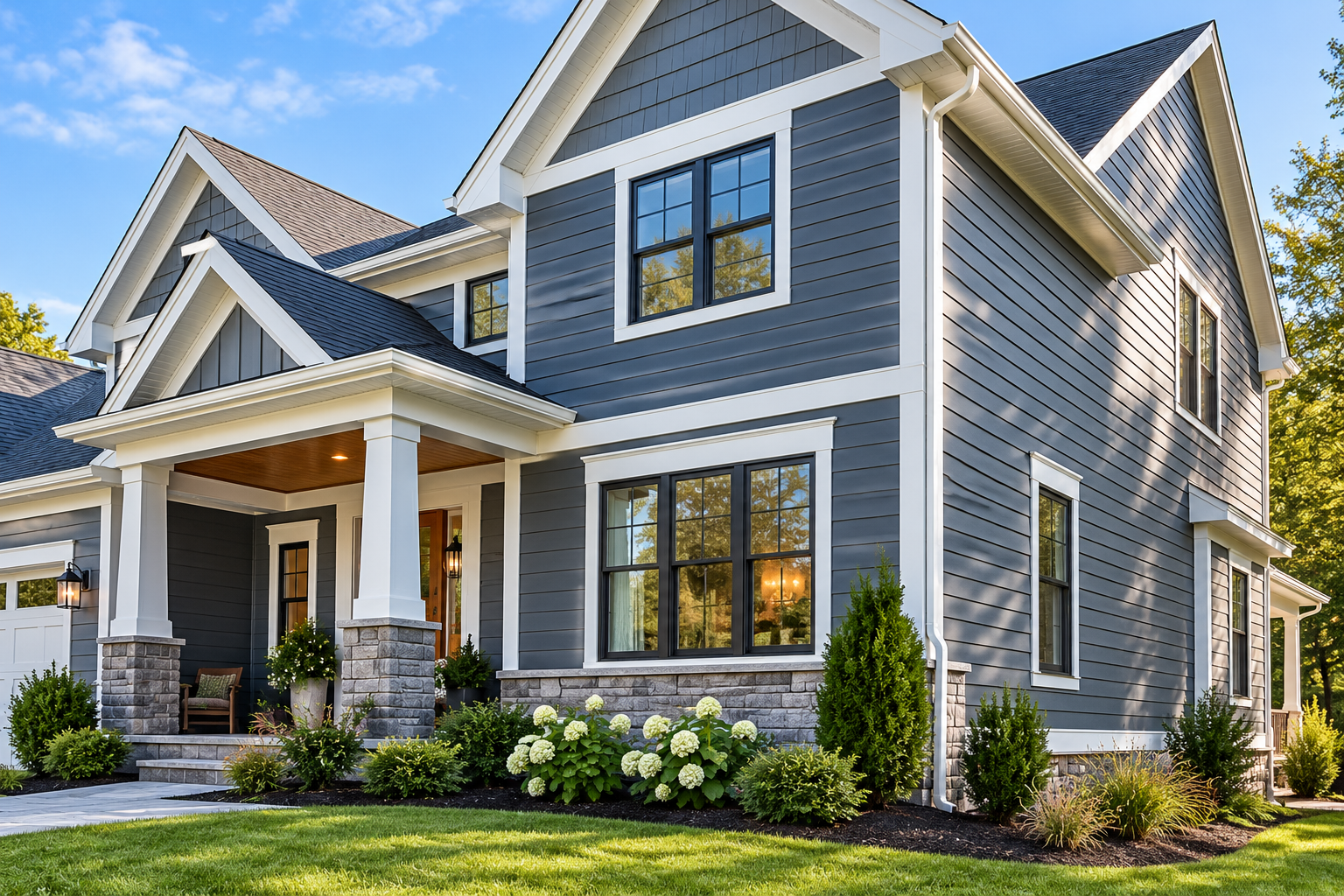
Some siding materials can be painted or repainted using appropriate preparation and coating systems.
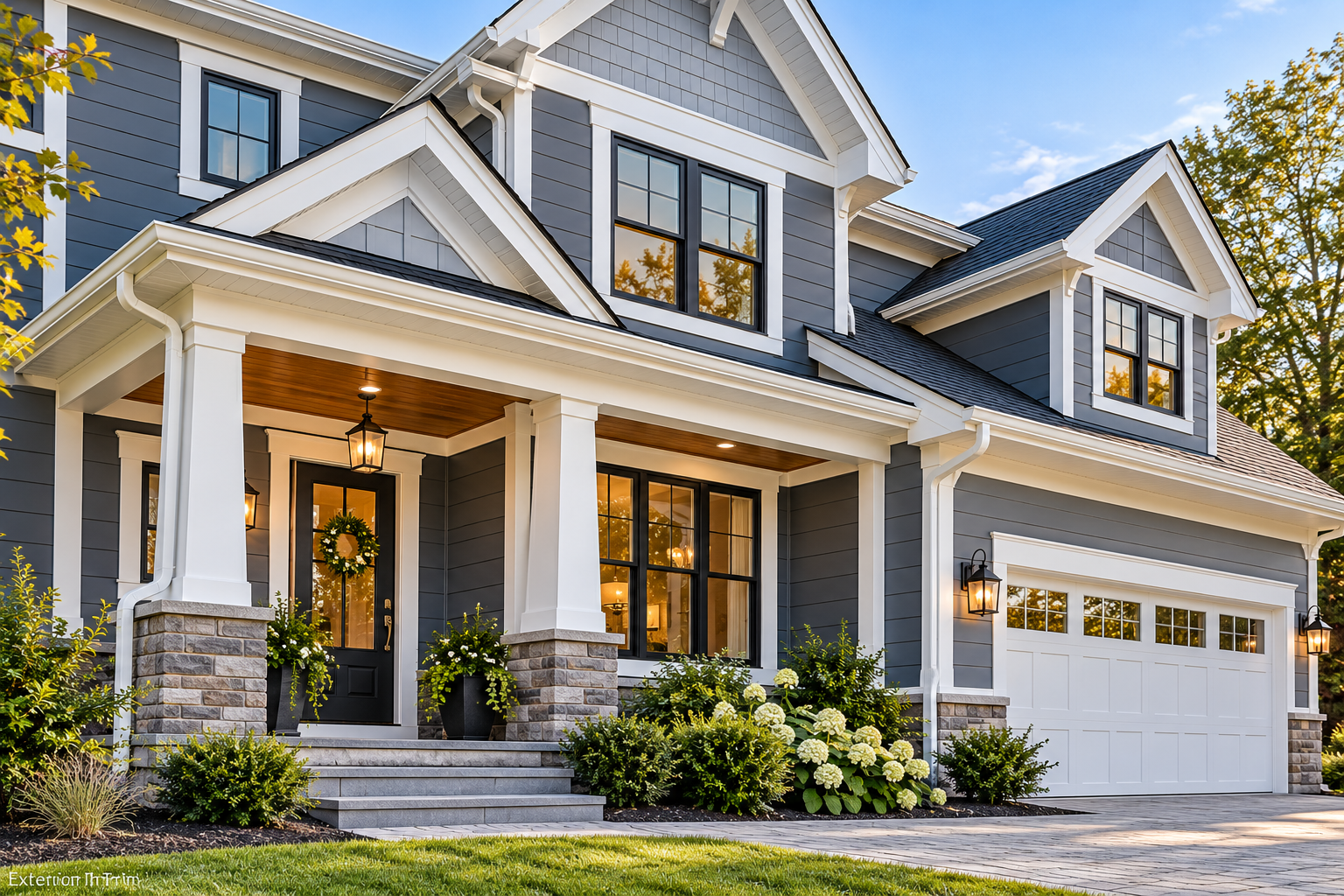
Fascia, window trim, door surrounds, and other details can influence the home's overall appearance.
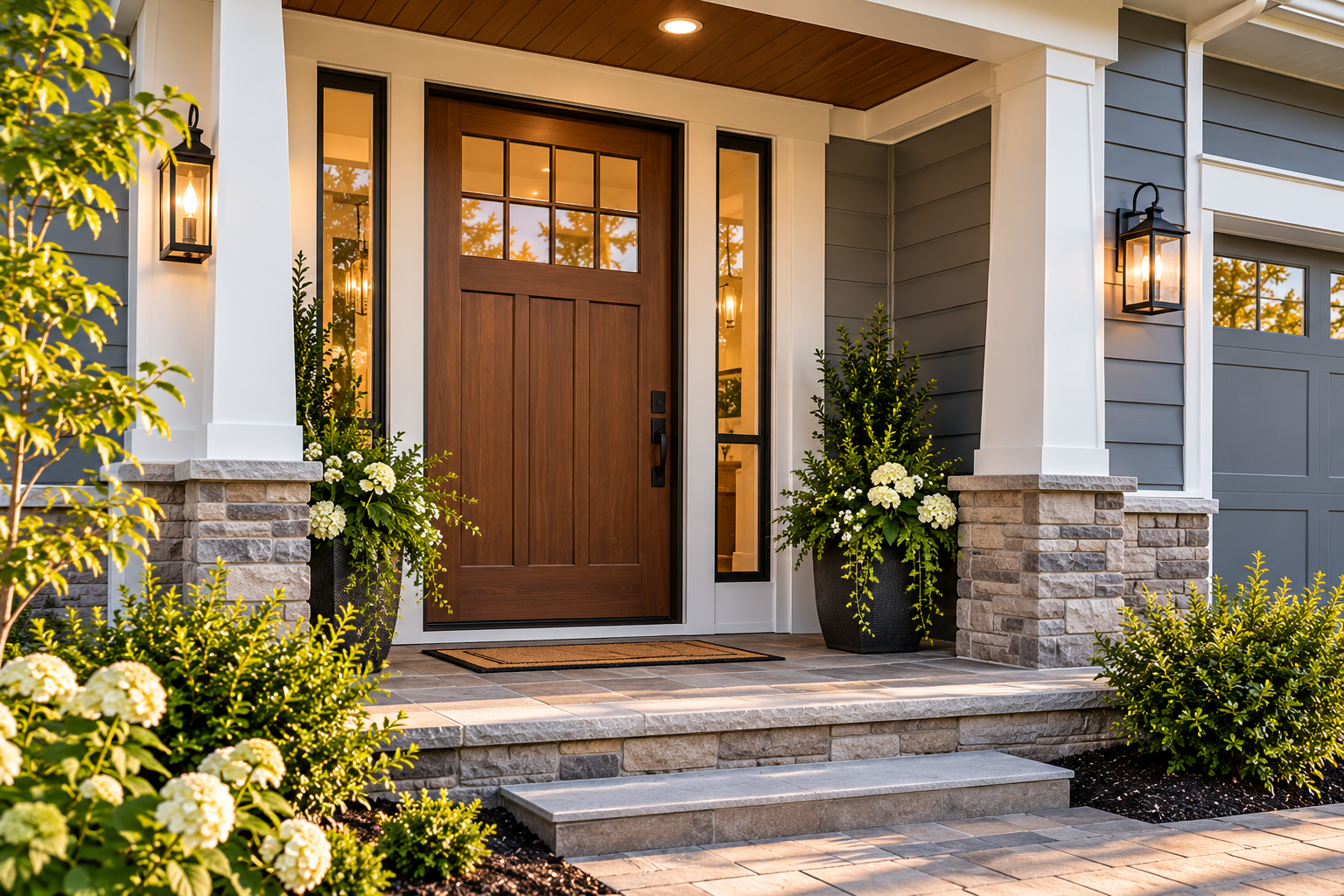
A refreshed entry door can create an attractive architectural focal point.
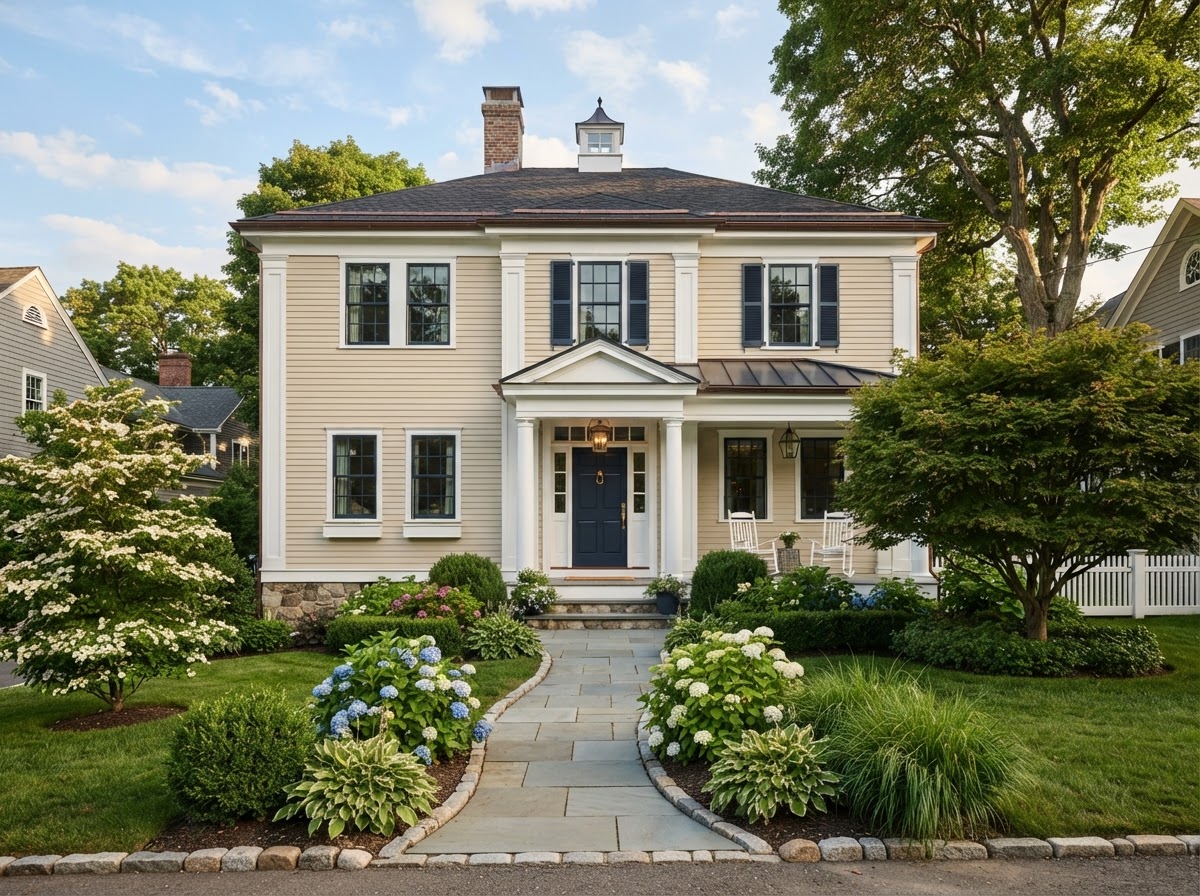
Suitable exterior surfaces may benefit from appropriate coating systems and maintenance.
PREPARATION MAKES THE DIFFERENCE
A new coat of paint cannot resolve every problem with the surface underneath. The condition of the substrate and existing coating should be evaluated before painting begins.
Dirt, grease, chalking, and other contaminants may interfere with coating adhesion.
Peeling or poorly bonded coatings may require appropriate preparation before repainting.
Some surfaces benefit from sanding or other preparation methods suitable for the existing material.
Holes, cracks, and surface defects may need repair before priming and painting.
Certain joints and transitions may require appropriate sealants, while others must remain open for drainage or movement.
Primer selection depends on the substrate, existing coatings, stains, and chosen finish system.
CHOOSE THE RIGHT FINISH
Paint sheen influences appearance, reflectivity, cleaning characteristics, and the visibility of surface imperfections.
Low reflectivity that can help minimize the appearance of certain surface variations.
A low-sheen finish with characteristics that vary by manufacturer and product line.
A subtle sheen frequently considered for residential walls.
A more reflective finish that may be selected for certain walls, trim, and higher-use areas.
A more reflective finish commonly considered for suitable trim, doors, and other details.
FIND YOUR PALETTE
The right paint color should work with the room's natural light, architectural details, flooring, and furnishings.
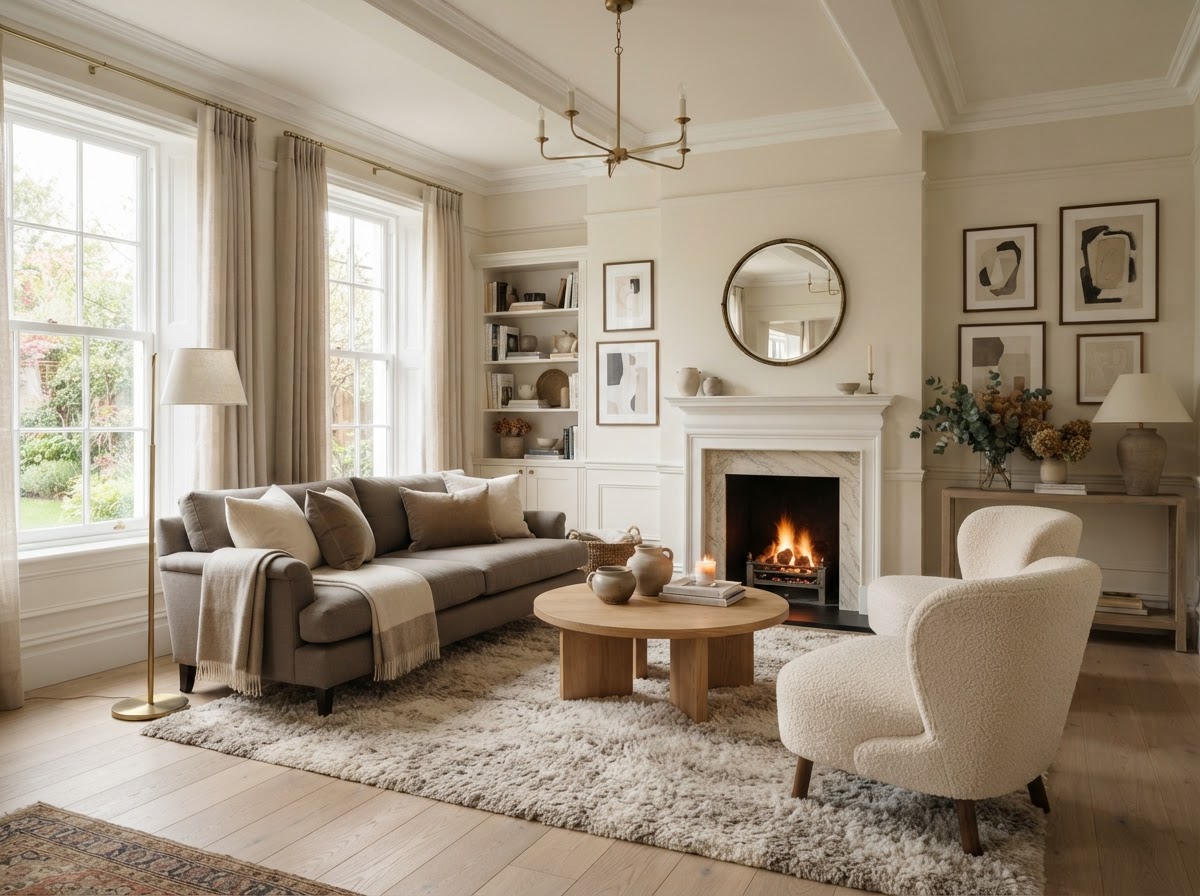
Soft ivory, cream, taupe, and warm gray tones can create an inviting backdrop.
White and off-white paints vary significantly in undertone and appearance.
Natural greens, warm browns, and understated earthy colors can complement wood and stone.
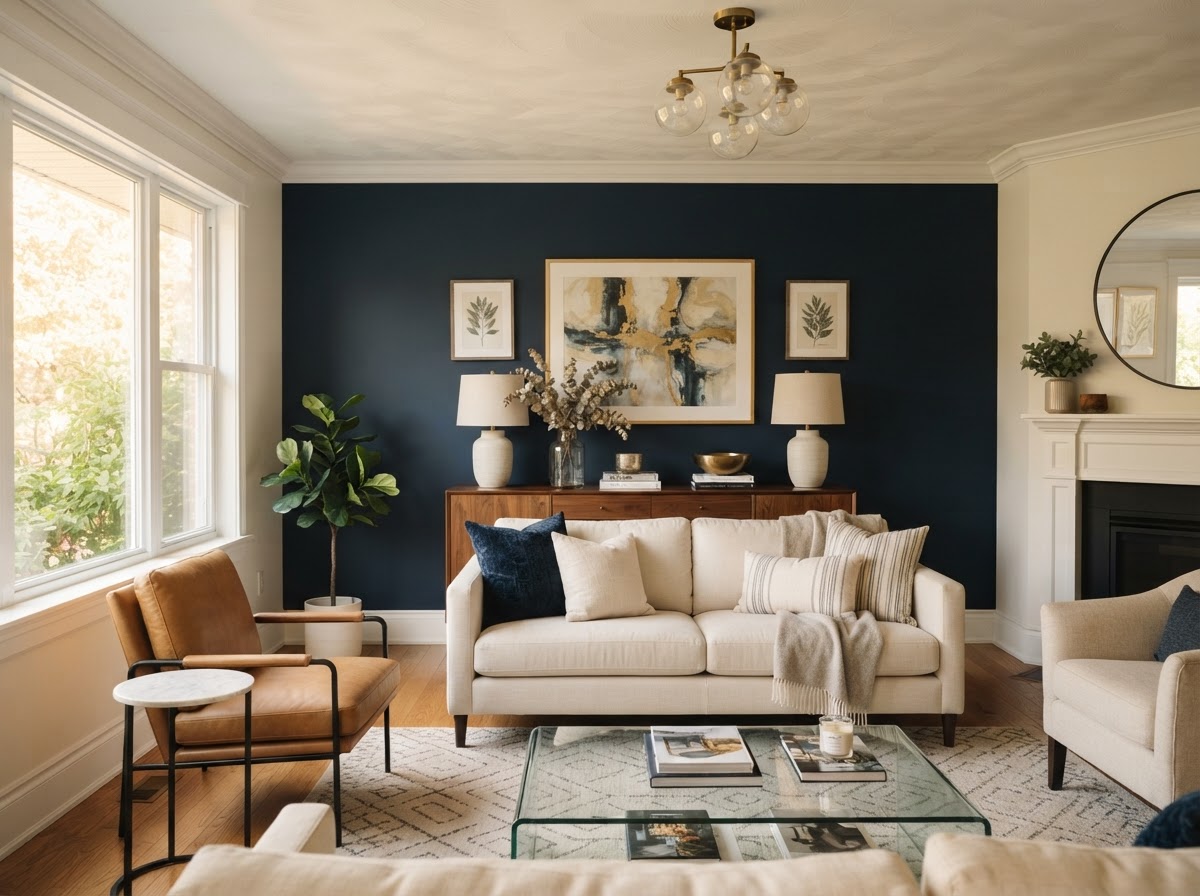
Navy, charcoal, and other darker tones can create contrast in selected spaces.
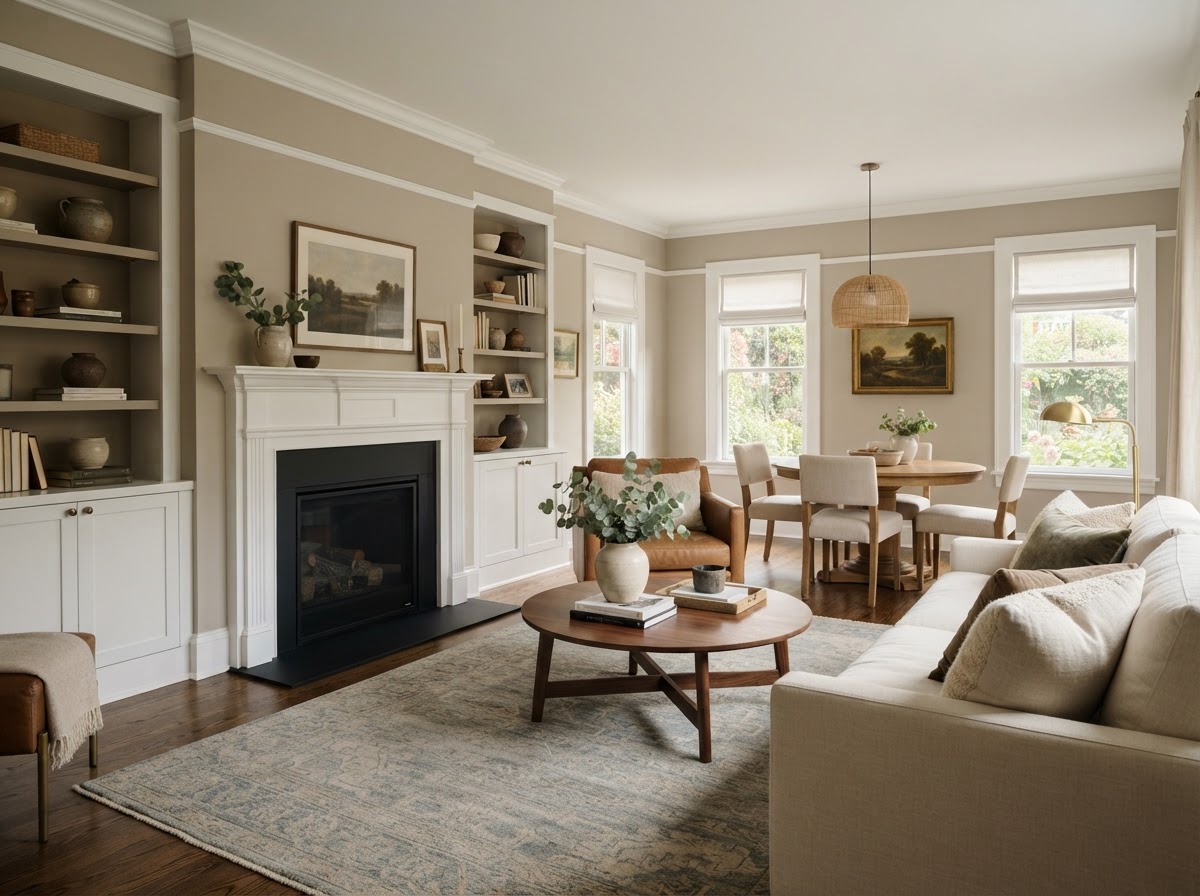
Trim color can help unify rooms and emphasize architectural details.
A HOME THAT STANDS OUT BEAUTIFULLY
A home's siding, roof, trim, landscaping, and surrounding environment all influence how an exterior color scheme feels.
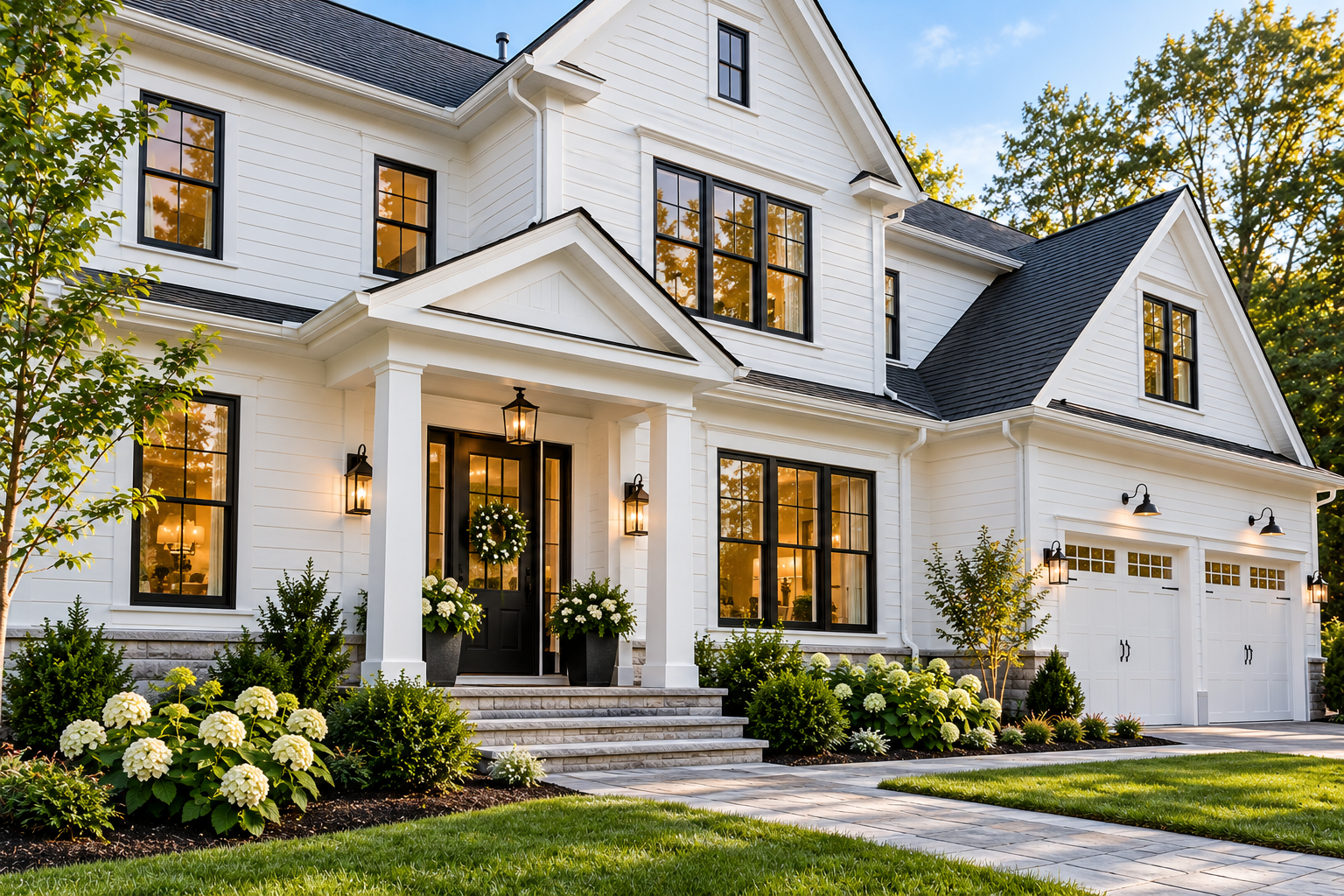
Traditional light exteriors with contrasting trim or shutters.
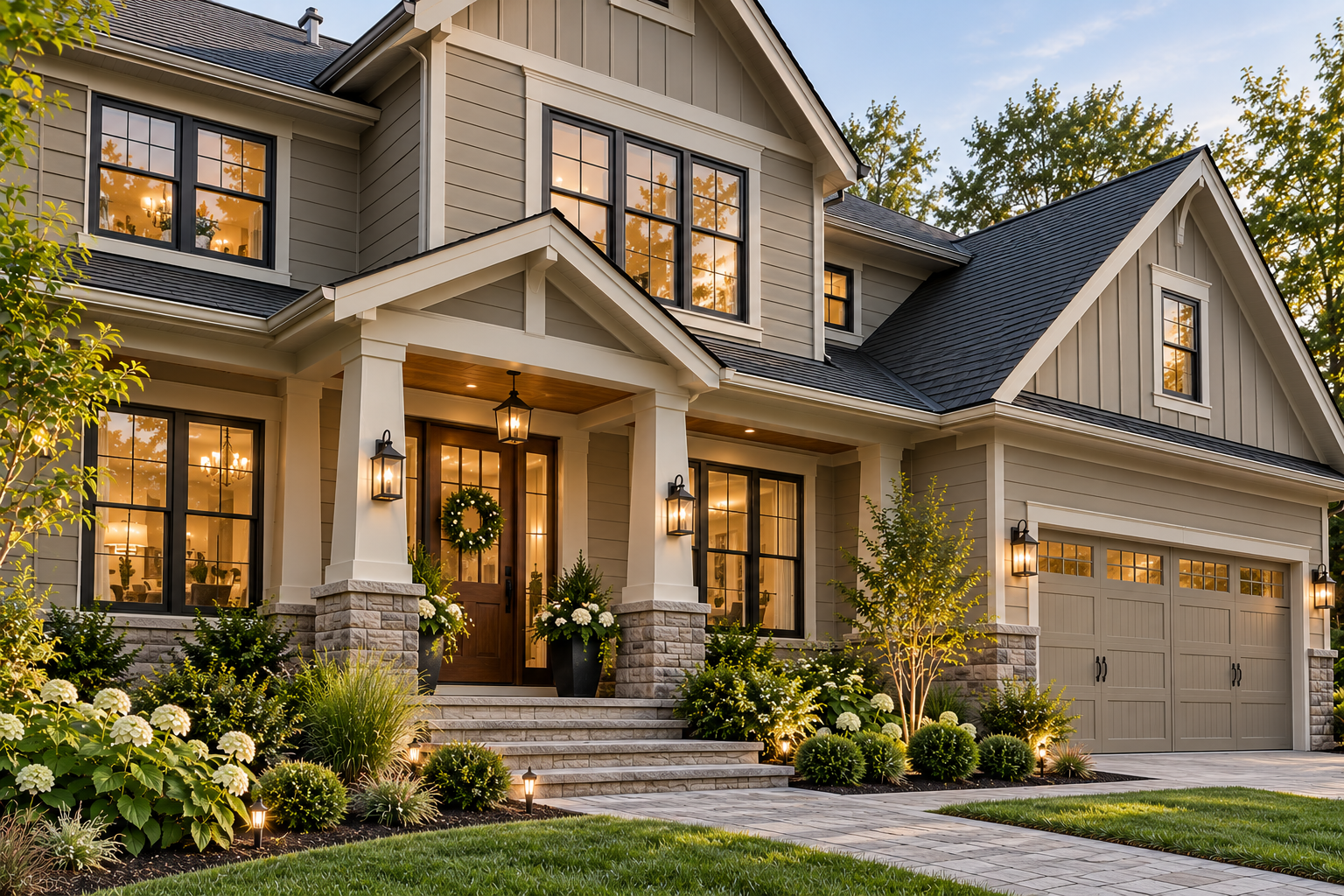
Versatile neutral combinations that complement many architectural styles.
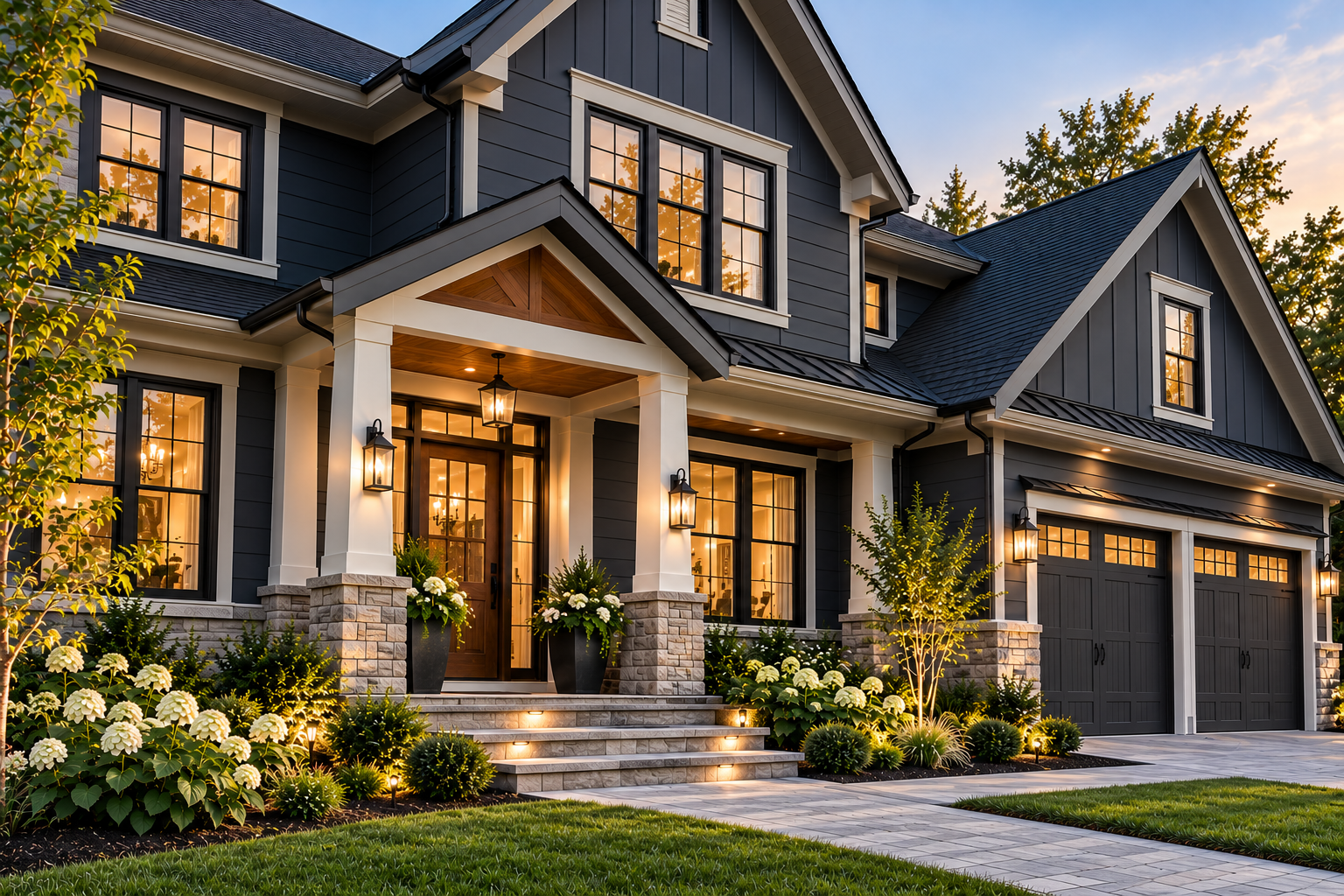
Bold exterior colors that can create a sophisticated appearance when suitable for the substrate and coating system.
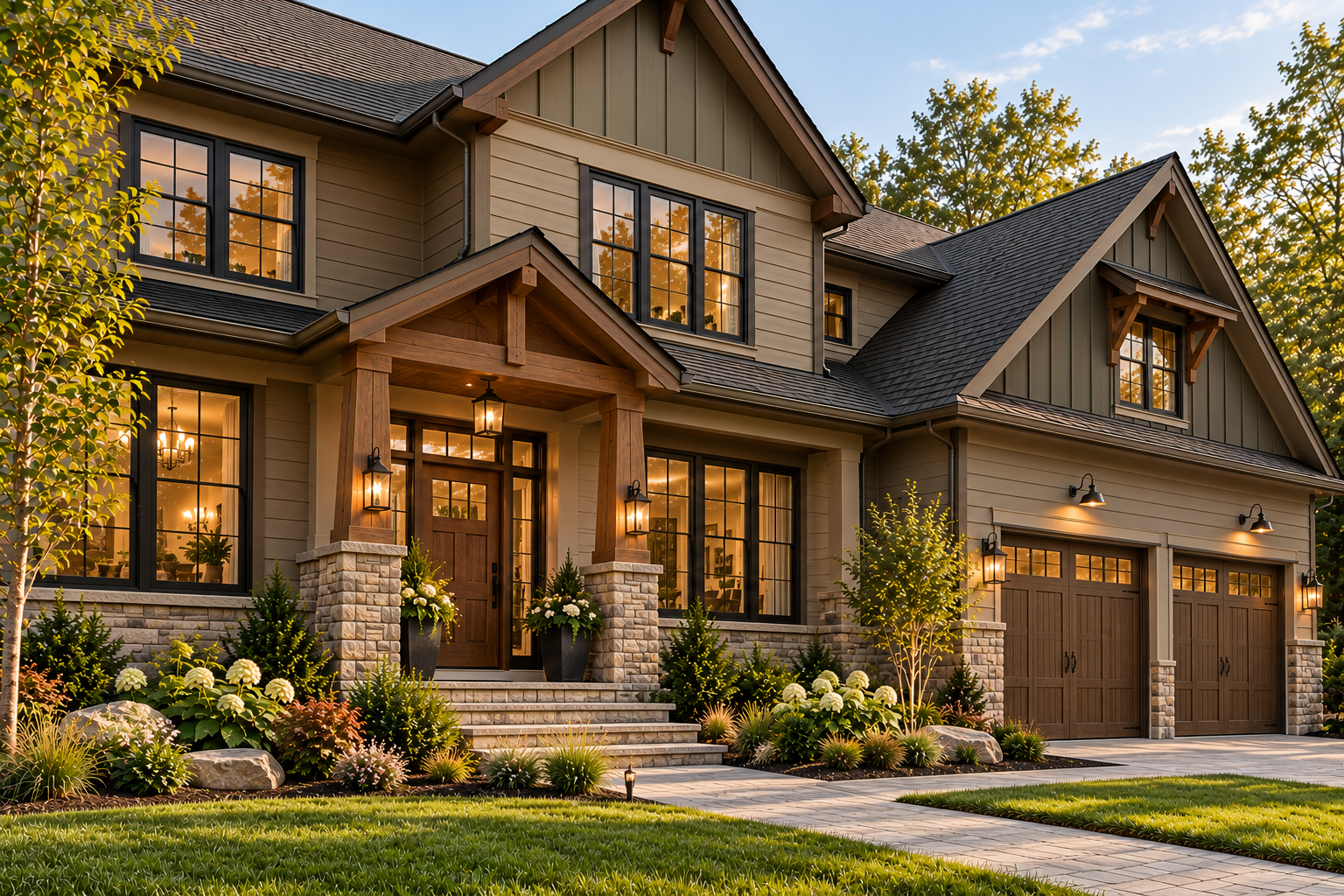
Muted greens, warm taupes, and other colors inspired by the surrounding landscape.
KNOW WHAT TO LOOK FOR
Sun exposure and aging can change the appearance of painted surfaces.
Loss of adhesion may indicate coating deterioration, moisture exposure, or preparation issues.
Cracking can occur for several reasons and should be evaluated before repainting.
Surface stains may require cleaning, investigation, or specialty preparation.
Scuffs, marks, and heavy use can affect the appearance of painted rooms.
Sometimes the reason to repaint is simply that you want your home to feel different.
PLANNED FOR NEW ENGLAND
New Hampshire homes experience cold winters, humid summers, precipitation, and seasonal temperature changes. These conditions can affect coating selection, preparation, and application.
Paint products have specific application and curing temperature requirements.
Exterior surfaces should meet the selected coating system's moisture requirements before painting.
Humidity and environmental conditions can influence drying and curing.
UV exposure can contribute to changes in color and coating performance over time.
Appropriate painting conditions depend on the weather, substrate, and selected materials.
ADDRESS THE CONDITION FIRST
Painting can improve the appearance of suitable surfaces, but it cannot restore deteriorated structural or exterior materials.
A thoughtful painting project starts with understanding the condition of the surfaces involved.
A BETTER FINISH STARTS UNDERNEATH
Paint can highlight imperfections in walls and ceilings, particularly under strong or directional lighting. Drywall repairs, joint finishing, sanding, and priming may be important parts of preparing a room for painting.
Suitable damaged areas may require repair before painting.
Appropriate preparation can improve the consistency of the finished appearance.
Different surface materials may require specific priming approaches.
Paint colors, sheen, trim, and lighting all contribute to the final result.
PICTURE THE POSSIBILITIES
Explore beautifully painted interiors and exteriors that demonstrate how color, preparation, and architectural details can work together.
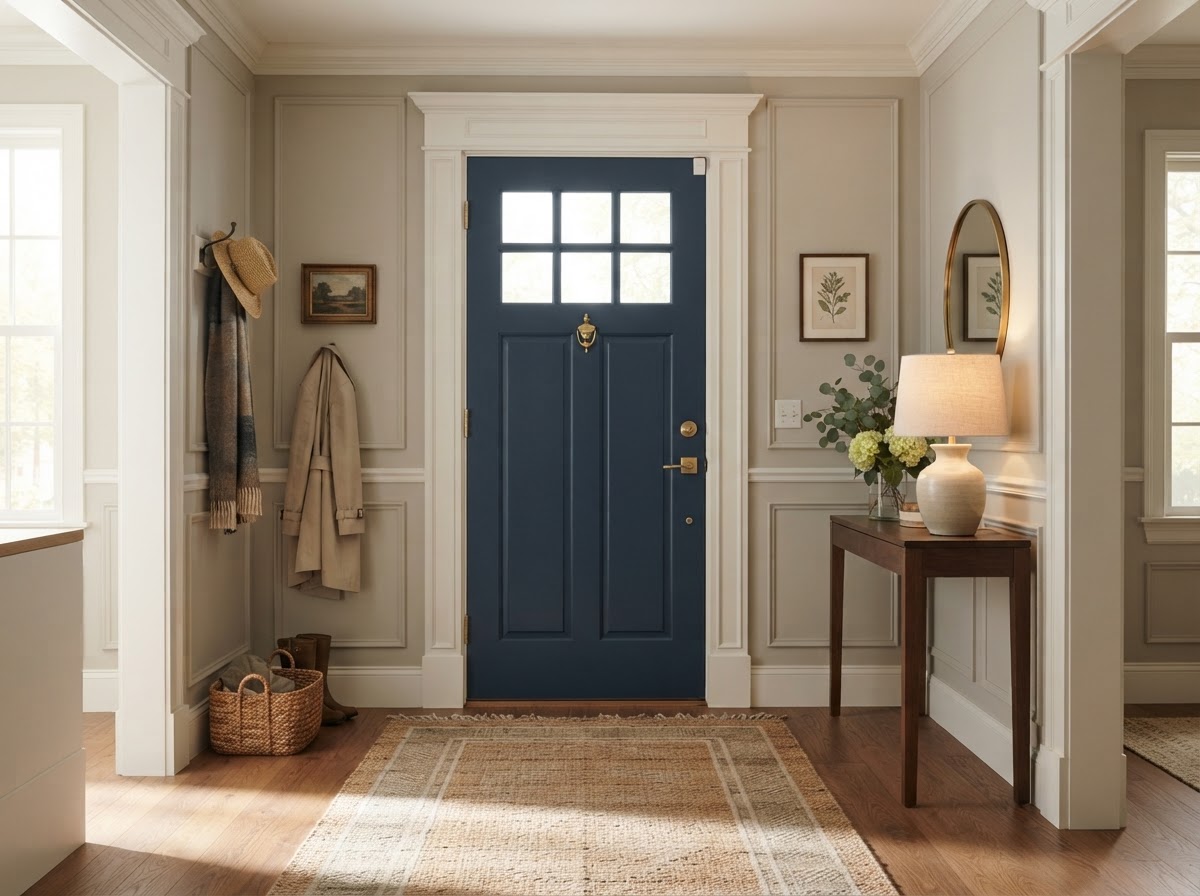
Inviting spaces where soft color and natural light create a welcoming backdrop.
Calm, refined colors that make a bedroom feel restful and complete.
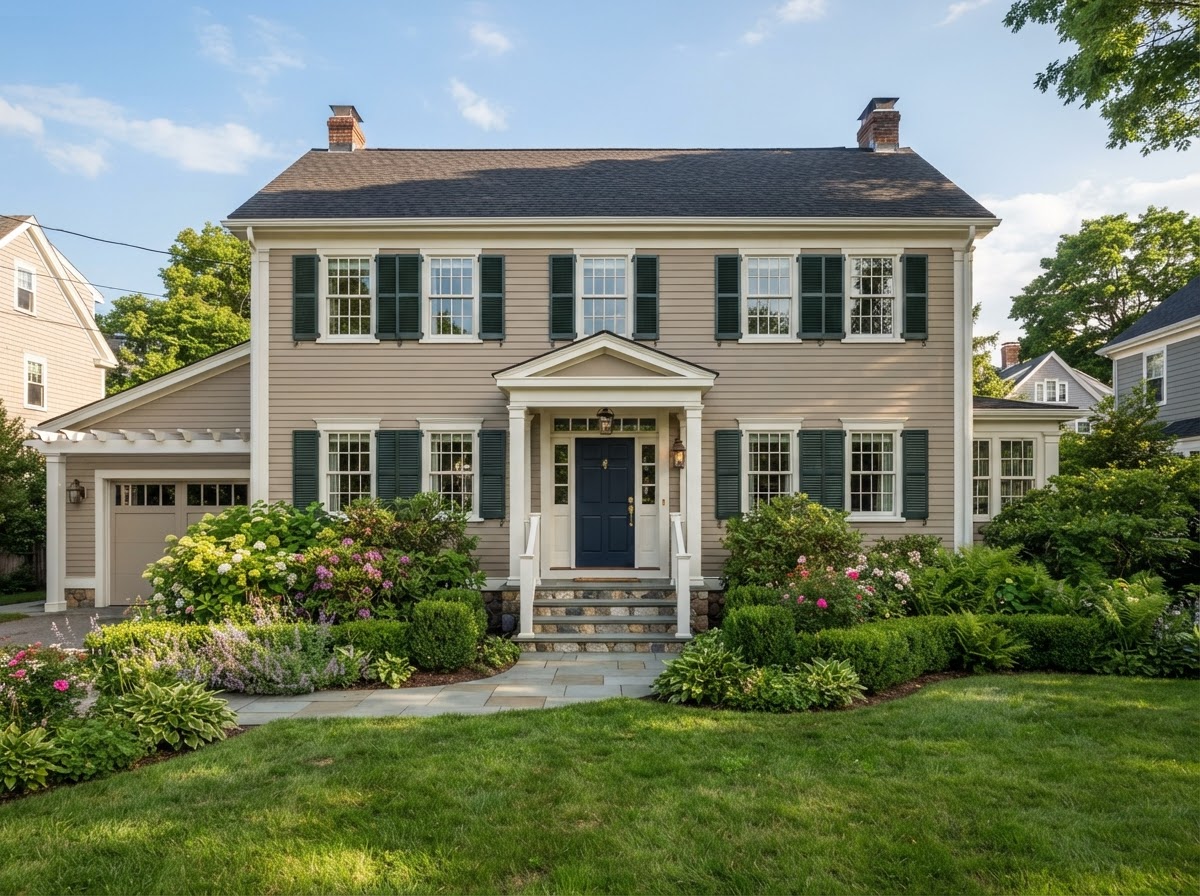
Classic exterior color combinations suited to regional architecture.
Trim and details that emphasize the character of a home.
Entry doors and accent colors that create a memorable first impression.
GETTING STARTED
Share the rooms or exterior areas involved, current surface conditions, and the changes you're considering.
Explore the desired appearance, materials, preparation needs, and project priorities.
Depending on the project, next steps may include evaluating surfaces, discussing preparation requirements, and preparing an estimate.
Once the scope, materials, and necessary conditions are understood, you can decide how to move forward.
SERVING SOUTHERN & CENTRAL NEW HAMPSHIRE
Silvey Home Improvements is based in Weare, New Hampshire, and serves homeowners throughout surrounding Southern and Central New Hampshire communities.
Whether you're refreshing an interior room, updating exterior paint, or planning painting as part of a larger renovation, contact us to discuss your home and project.
RESIDENTIAL PAINTING FAQ
Costs depend on the area being painted, surface condition, preparation requirements, access, coating products, number of coats, and project complexity. A project-specific estimate is the best way to understand likely costs.
Repainting intervals vary significantly by substrate, coating quality, weather exposure, preparation, and maintenance. The condition of the existing finish is more useful than relying on a universal schedule.
The right finish depends on the room, desired appearance, maintenance expectations, and the specific paint product. Matte, eggshell, and satin finishes are among the options homeowners commonly consider.
Damaged or uneven drywall may require appropriate repair and preparation before painting to achieve the intended appearance.
Some coating products are formulated for lower application temperatures, but all products have specific environmental and curing requirements. Weather and substrate conditions must be appropriate.
Consider natural light, flooring, trim, furnishings, and the overall style of the home. View samples in the actual space before making a final decision.
Not necessarily. Primer requirements depend on the substrate, existing coating, stains, repairs, and the selected paint system.
Painting directly over loose or failing coatings can lead to additional problems. The cause and condition of the existing surface should be evaluated and prepared appropriately.
Some vinyl siding products may be suitable for painting with compatible coating systems, but manufacturer guidance, color restrictions, and thermal considerations must be reviewed.
Timing depends on the area, preparation, drying conditions, materials, weather, and project scope. A realistic schedule can be discussed once the requirements are understood.
Homes built before 1978 may contain lead-based paint. Work that disturbs painted surfaces can trigger specific federal and state requirements. Appropriate testing, lead-safe practices, and qualified professionals may be necessary.
Visit the Free Estimate page and describe the rooms or exterior surfaces involved, their current condition, and the improvements you're considering. You can also call (978) 848-1986.
BUILD SOMETHING BETTER
Whether you're refreshing a favorite room, exploring a new exterior color, or planning painting as part of a larger renovation, we'd welcome the opportunity to hear about your project. Tell us what you have in mind, and let's discuss the next steps.
Share a few details about your home, the areas you'd like painted, and the improvements you're considering. We'll review your request and follow up to discuss the next steps.
Prefer to talk first? Call us at (978) 848-1986 and we'll help you think through the next steps for your painting project.