
Wood Fencing
Wood offers natural character and a wide range of traditional and contemporary styles. Depending on the species, treatment, finish, and exposure, wood fences may require periodic maintenance.
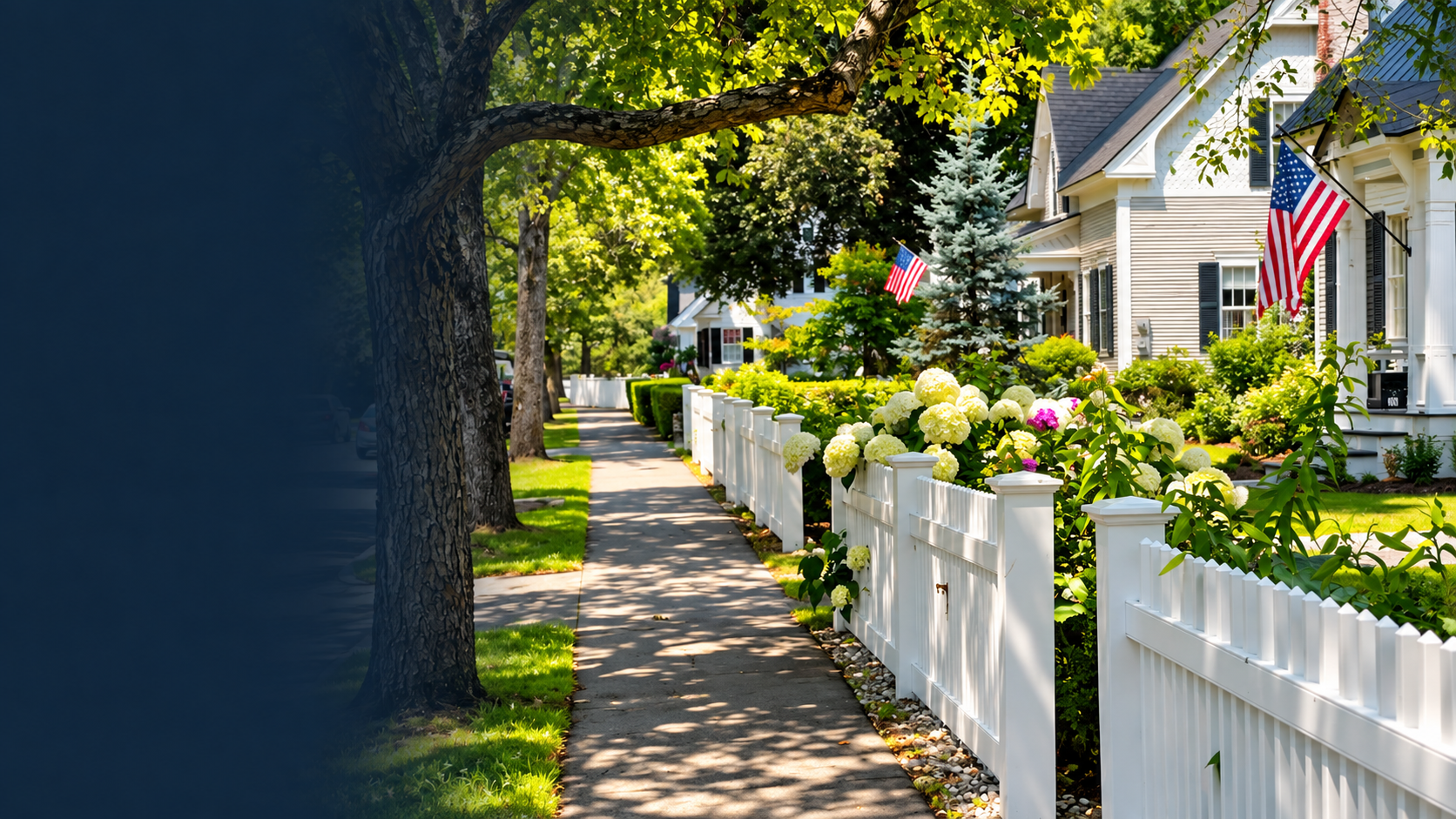
More Privacy. Better Boundaries. A Beautiful Backyard.
A well-chosen fence can do more than define your property. It can create privacy, complement your home's architecture, establish a more comfortable outdoor space, and help make your yard work better for everyday life. Whether you're considering a new backyard fence, replacing an aging installation, or exploring materials and styles, Silvey Home Improvements helps New Hampshire homeowners plan fencing improvements that suit their properties and priorities.
Create an Outdoor Space That Works
Your yard is an extension of your living space.
It's where pets play, families gather, gardens grow, and quiet moments happen outside.
The right fence can help create a more defined, comfortable setting while complementing the style of your home.
But selecting a fence involves more than choosing a material or design. Property boundaries, terrain, drainage, soil conditions, local requirements, gates, and long-term maintenance can all influence the project.
Thoughtful planning helps bring these details together.
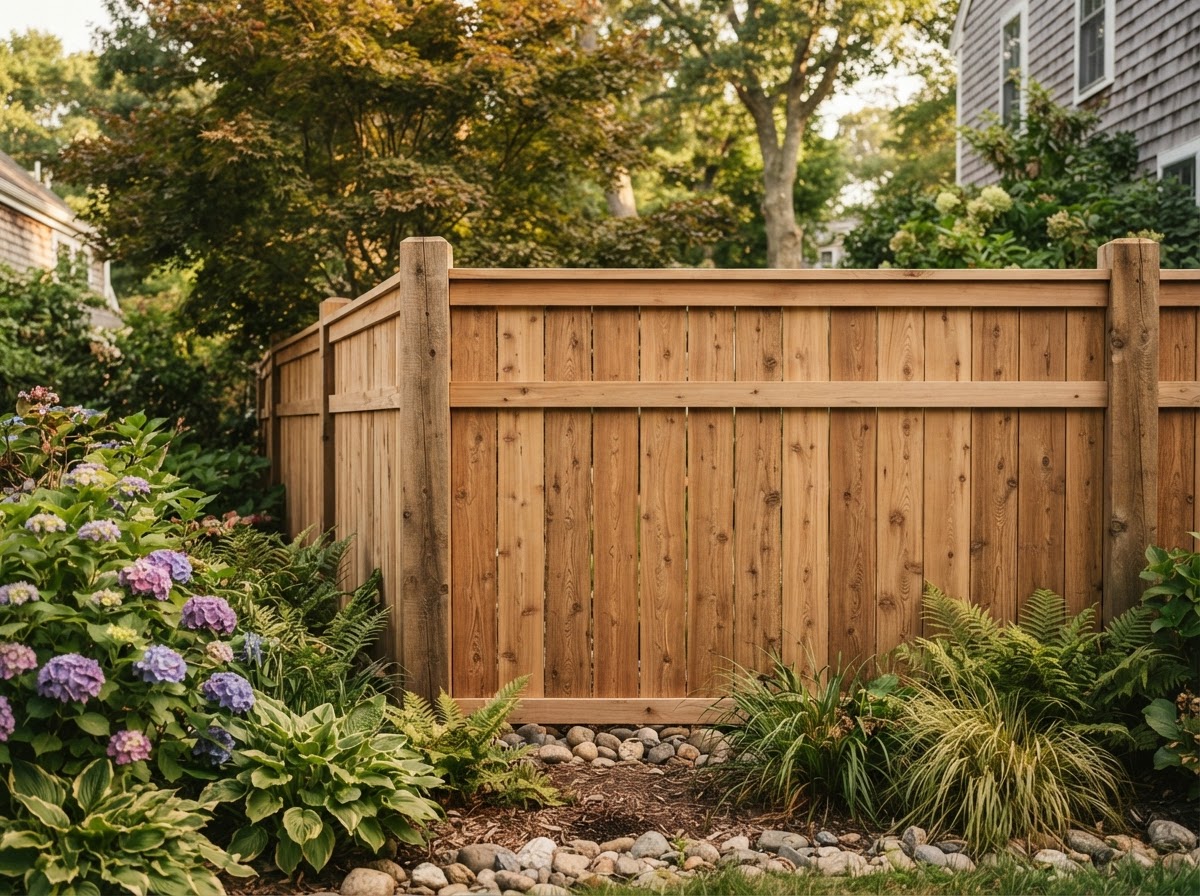
A fence should feel like part of your home.
Every property is different. Some homeowners want additional privacy, while others are looking for a decorative boundary, a replacement fence, or a more practical yard layout.
Explore new residential fencing for backyard privacy, property definition, and outdoor living.
An aging or deteriorated fence may be ready for replacement with a material and design that better suits the property.
Privacy-oriented fence designs can create a more secluded backyard environment, subject to applicable height and placement requirements.
Picket-style, rail-style, and other decorative fence designs can complement a home's architectural character.
Gate placement, width, hardware, and operation are important considerations for everyday access and convenience.
Some fences may be candidates for targeted repairs, depending on the condition of posts, panels, rails, hardware, and surrounding materials.
For discussion. These are project categories for conversation. Availability of specific fencing materials, specialty gate systems, or repair types should be confirmed before planning.
Choose Your Material
Different fencing materials offer different combinations of appearance, privacy, maintenance, durability, and cost.
Wood offers natural character and a wide range of traditional and contemporary styles. Depending on the species, treatment, finish, and exposure, wood fences may require periodic maintenance.
Vinyl fencing is available in privacy and decorative configurations and generally requires less routine refinishing than wood. Performance and appearance vary by manufacturer and product design.
Aluminum fencing can offer a refined, open appearance that complements landscaping and architectural details. Its suitability depends on the intended use, product specifications, and installation conditions.
Some composite fence products combine manufactured materials to create alternative appearances and maintenance characteristics. Product availability, performance, and installation requirements vary.
Solid or closely spaced panels designed to create a more secluded outdoor setting.
Designs that provide some screening while allowing varying degrees of airflow and visibility.
A classic residential style that can complement traditional New England homes.
Contemporary designs with horizontal boards or panels for a clean architectural appearance.
Open fencing styles that can provide a traditional property-edge appearance without creating a solid visual barrier.
Open metal designs that emphasize architectural character and visibility.
The purpose of a fence should help guide its design.
A privacy-oriented fence may help screen views from neighboring properties or nearby outdoor spaces.
A properly planned enclosure can help establish a designated yard area, but containment depends on the animal, fence design, gate security, and other conditions.
Fencing can help distinguish different outdoor zones, such as gardens, recreation areas, and property edges.
A thoughtfully selected fence can complement landscaping and the architectural style of the home.
No fence should be represented as escape-proof, childproof, or a substitute for appropriate supervision.
Compare Your Options
| Consideration | Wood Fencing | Vinyl Fencing |
|---|---|---|
| Appearance | Natural grain and traditional character | Consistent manufactured finishes |
| Maintenance | May require staining, sealing, or refinishing | Typically does not require painting |
| Style options | Many custom-looking configurations | Product-specific styles and profiles |
| Weather exposure | Performance depends on species, treatment, and maintenance | Performance depends on formulation and product design |
| Repairs | Some individual components may be replaceable | Repair options depend on the system |
| Cost | Varies by lumber and design | Varies by manufacturer and product |
Residential fences in New Hampshire experience freezing temperatures, snow, rain, wind, and seasonal changes in soil conditions. Installation planning should account for the site, selected materials, and applicable requirements.
Post installation depth and foundation design may be influenced by frost conditions, soil, fence height, and local requirements.
Wet ground, slopes, rocks, and changing soil conditions can affect the installation approach.
Fence height, solid-panel design, post spacing, and exposure can influence wind loads and structural requirements.
Wood, vinyl, metal, and composite products respond differently to temperature changes and weather exposure.
Fence placement should be carefully considered before installation begins.
Existing landscaping, old fence lines, or informal markers do not necessarily establish legal property boundaries. A qualified land surveyor may be needed when boundaries are uncertain.
Municipal regulations may address fence height, location, visibility, setbacks, and other conditions.
Recorded easements, utility corridors, homeowners association requirements, and other property restrictions may affect placement.
Appropriate utility locating procedures should be completed before excavation. In New Hampshire, contact Dig Safe through the applicable notification process before digging.
Gate locations, shared boundaries, drainage, and access for maintenance can affect the final layout.
Property owners should confirm applicable restrictions and boundary information before authorizing installation. Silvey Home Improvements does not provide legal boundary determinations, surveying, or permit guarantees.
A damaged fence doesn't always need complete replacement, but some conditions make a larger update worth considering.
The appropriate approach depends on the fence's condition, materials, installation details, and the scope of the desired improvements.
Request a Fencing EstimatePosts, gates, hardware, transitions, and finishing details all contribute to how a fence looks and functions.
The layout and support system should be appropriate for the fence design and site conditions.
Gate width, hinges, latches, and clearances influence everyday operation.
Fence height and panel proportions should complement the property while meeting applicable requirements.
Board orientation, caps, trim, and material finishes can create a more cohesive appearance.
From traditional wood fencing to clean contemporary designs, explore ideas for creating a more comfortable and attractive outdoor environment.
Fencing Inspiration. The images below are illustrative examples, not verified Silvey projects. We will update this section as approved project photography becomes available.
InspirationWarm, natural materials that frame a yard and create a classic residential boundary.
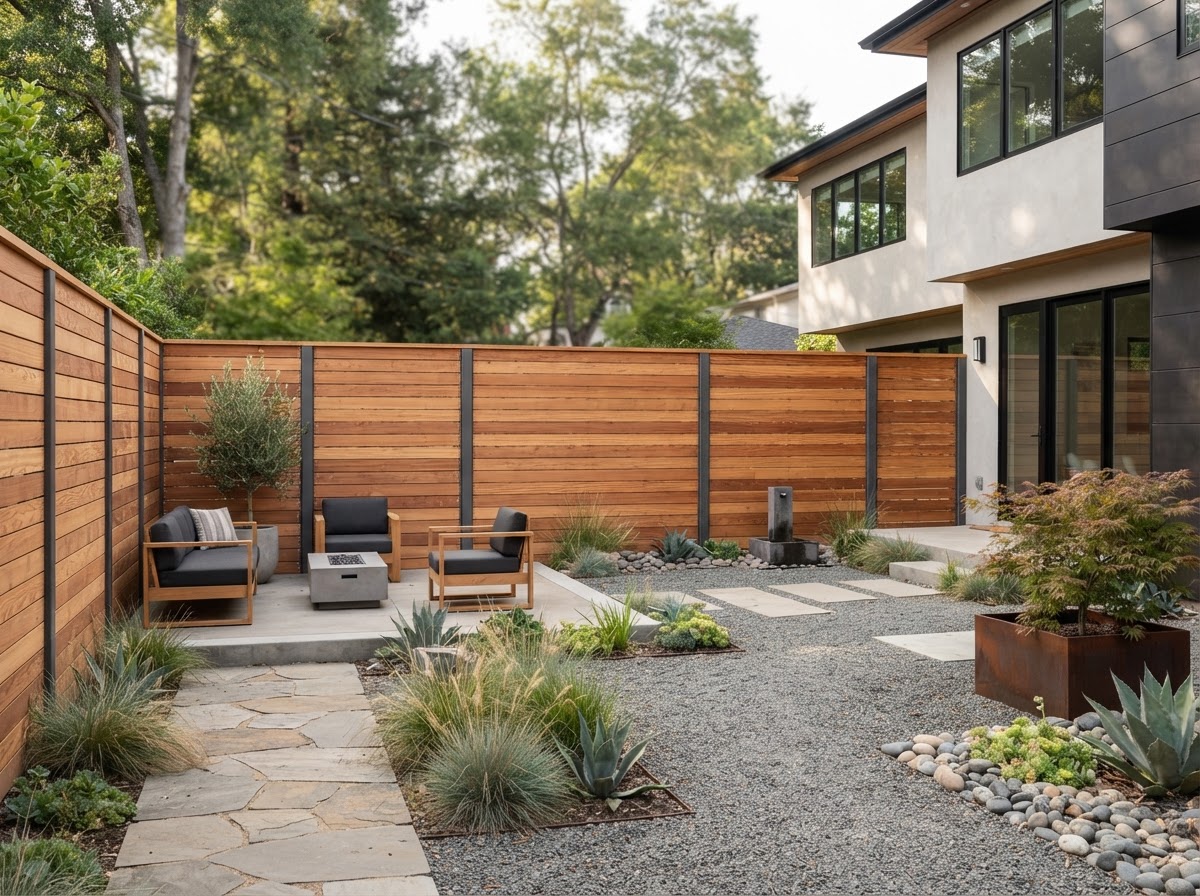 Inspiration
Clean horizontal lines and modern materials for a refined architectural look.
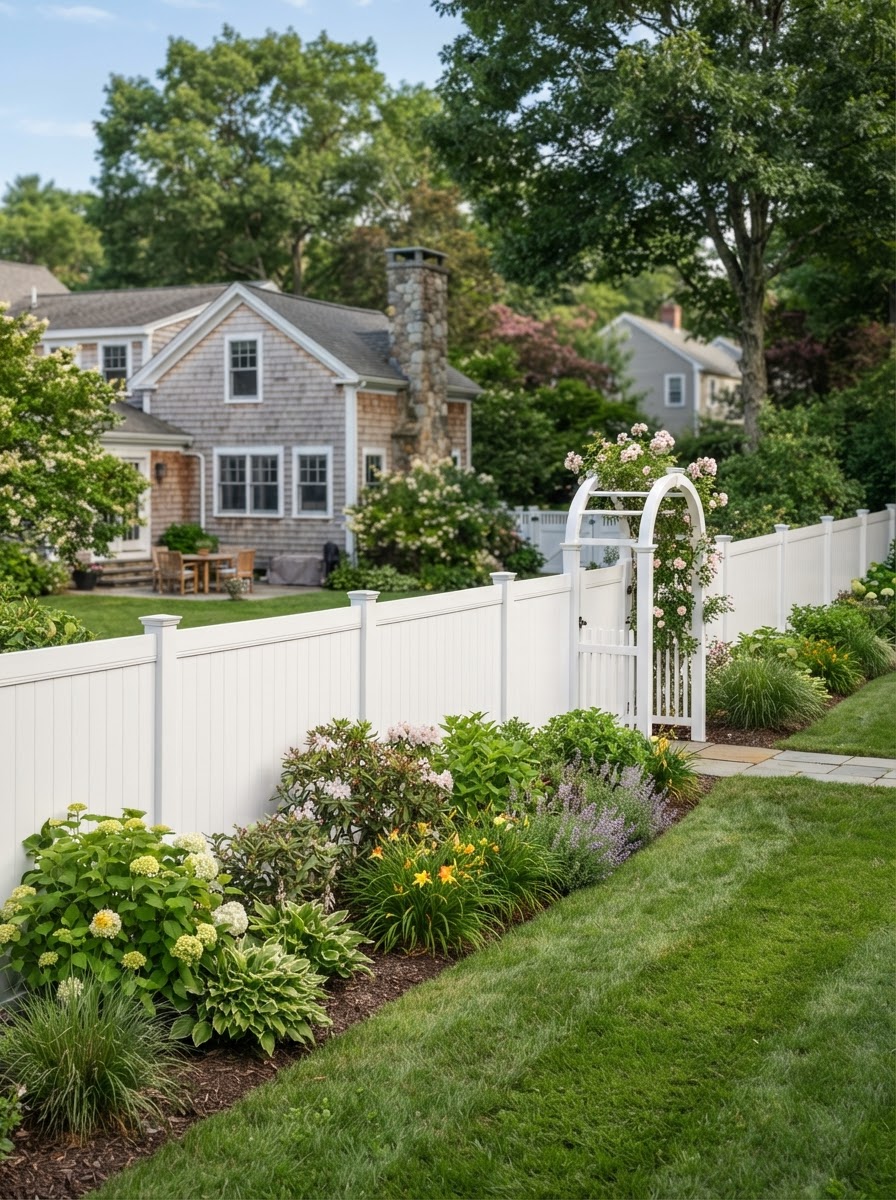 Inspiration
Classic picket and decorative designs that complement traditional home architecture.
Share the location, approximate fence area, existing conditions, and what you'd like the fence to accomplish.
Explore your preferences for privacy, appearance, gates, maintenance, and other practical considerations.
Depending on the project, next steps may include evaluating the property, confirming relevant requirements, and preparing an estimate.
Once the design, scope, and necessary approvals are understood, you can decide how to move forward.
Silvey Home Improvements is based in Weare, New Hampshire, and serves homeowners in surrounding Southern and Central New Hampshire communities.
Whether you're planning a privacy fence, replacing an aging installation, or exploring backyard improvements, contact us to discuss your property and goals.
FENCING FAQ
Costs depend on the fence length, height, material, design, terrain, site access, gates, existing fence removal, and installation requirements. A project-specific estimate is the best way to understand likely costs.
Solid-panel wood, vinyl, and certain other designs can provide varying levels of privacy. The right option depends on appearance, maintenance, budget, and local height or placement restrictions.
Both materials have advantages. Wood offers natural character and many design possibilities, while vinyl typically requires less routine refinishing. The best choice depends on the specific product and property.
Requirements vary by municipality and project details. Local regulations may address fence height, location, visibility, and setbacks. Check with the applicable local authorities before installation.
Post depth depends on soil conditions, frost considerations, fence design, local requirements, and manufacturer specifications. There is no single depth appropriate for every property.
Many fence systems can be adapted to sloping terrain, but the appropriate layout and installation method depend on the grade, materials, and selected design.
Sometimes. Limited damage may be repairable, while widespread deterioration or failing posts may make replacement more practical.
Placement depends on confirmed boundaries, local rules, easements, and other restrictions. A qualified surveyor may be needed if the boundary is uncertain.
Some vinyl, aluminum, and composite products require less routine refinishing than many wood fences, but all fencing benefits from periodic inspection and appropriate care.
A suitable fence may help define an area for pets. Containment depends on the animal, fence design, gate security, and other conditions. No fence should be represented as escape-proof.
Visit the Free Estimate page and describe your property, preferred fence style, approximate project size, and goals. You can also call (978) 848-1986.
Create or improve an outdoor living space that complements your home's exterior.
ExploreRefresh and maintain your home's exterior alongside a fencing update.
ExploreAdd practical outdoor storage or workspace to your property.
ExploreExplore broader residential improvements that connect with outdoor plans.
ExploreWhether you're looking for more privacy, a beautiful property boundary, or a practical outdoor improvement, we'd welcome the opportunity to hear about your fencing project. Tell us what you have in mind, and let's discuss the next steps.
Share a few details about your property, the fence you're considering, and what you'd like to accomplish. We'll review your request and follow up to discuss the next steps.